The Best Anti-Inflammatory Foods: Does One Superfood Really Rule Them All?
Quick Summary: Fighting Inflammation Fast
- The most powerful single ingredient is Curcumin, found in Turmeric.
- Turmeric must be paired with black pepper to be absorbed by the body.
- No single food works alone; a synergy of omega-3s and antioxidants is required.
- Avoid processed sugars and seed oils, which act as fuel for inflammation.
- Consistency over weeks is more effective than a single high dose.
The Power of Turmeric and Curcumin
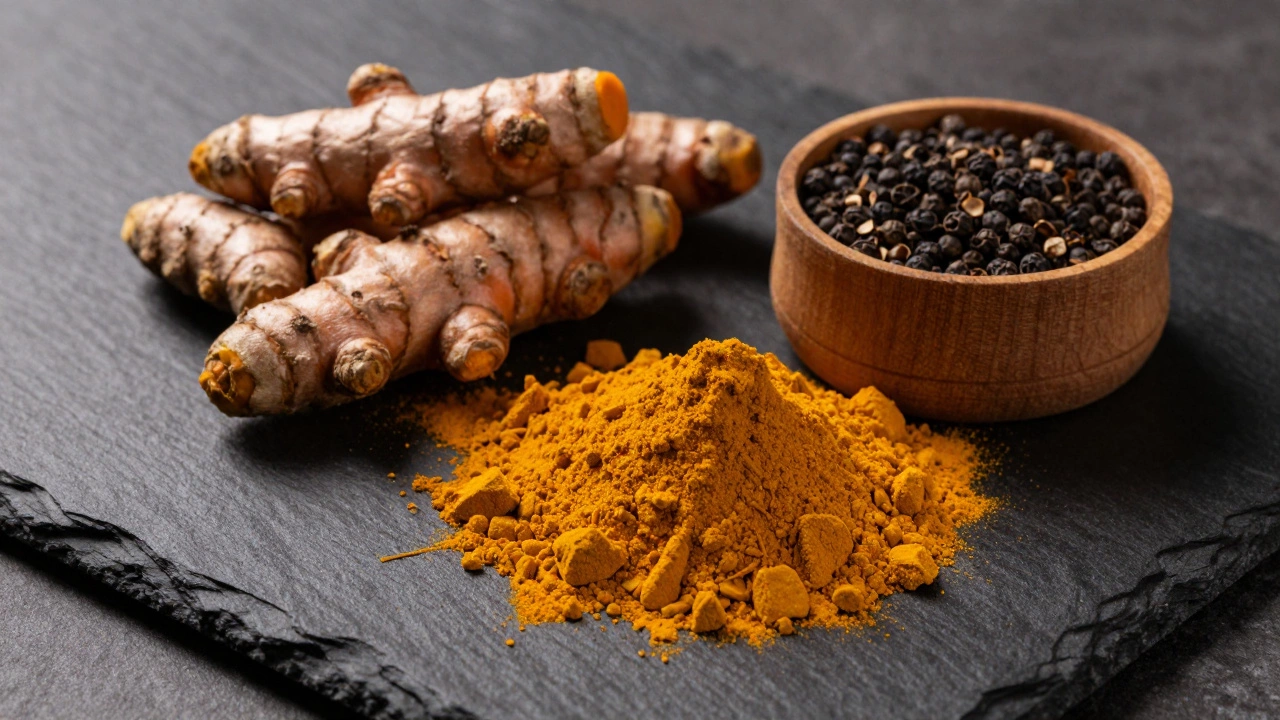
When people ask for the top food to kill inflammation, they are usually talking about the active compound in turmeric called Curcumin. This is the bioactive substance that gives the root its golden color and provides the actual therapeutic effect. Curcumin is a polyphenol that blocks NF-kB, a molecule that travels into the nuclei of your cells and turns on genes related to inflammation. Essentially, it acts like a molecular switch, flipping the 'off' button on the inflammatory response.
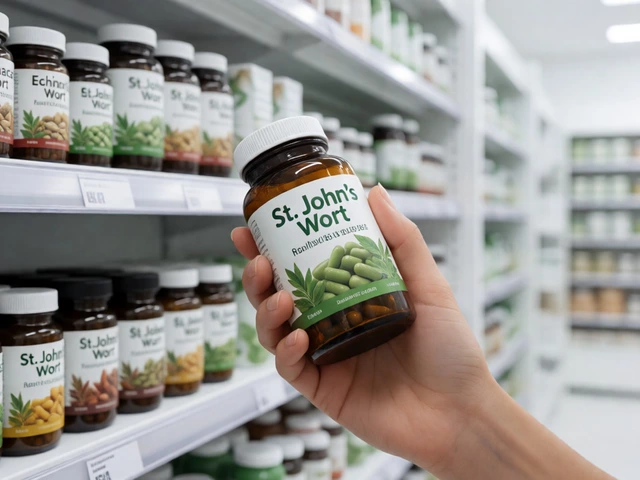
However, there is a catch. Curcumin is poorly absorbed into the bloodstream on its own. If you just eat a spoonful of turmeric powder, most of it passes right through you. To make it work, you need Piperine, which is the active component in black pepper. Studies have shown that piperine can increase the bioavailability of curcumin by up to 2,000%. This is why you'll see professional-grade herbal supplements combining the two. Without the pepper, you're essentially eating a colorful spice that doesn't reach the joints or organs where it's needed most.
Beyond the Root: The Support System
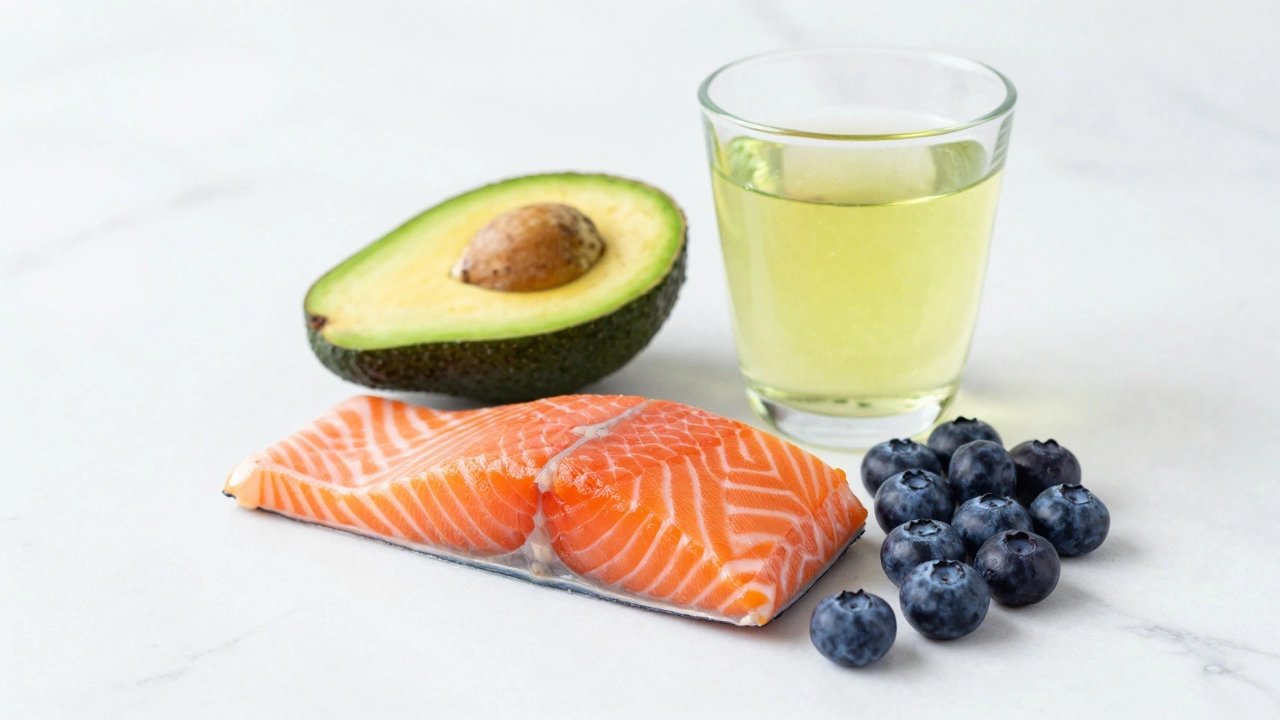
If turmeric is the captain, it needs a crew to actually win the war against inflammation. You can't rely on one root if you're eating sugar-laden processed foods. To get a real result, you need to bring in Omega-3 Fatty Acids. These are found in fatty fish like salmon or in algae-based supplements for vegans. Omega-3s work by producing resolvins and protectins, which are compounds that literally 'resolve' inflammation after an injury has occurred.
Think of it this way: turmeric stops the fire from starting, while omega-3s help clean up the debris after the fire is gone. If you're dealing with chronic issues like rheumatoid arthritis or metabolic syndrome, focusing on the ratio of omega-6 (found in corn and soybean oils) to omega-3 is more important than any single superfood. A diet too high in omega-6 keeps the body in a pro-inflammatory state, making your turmeric supplements work twice as hard for half the result.
Comparing the Top Anti-Inflammatory Heavyweights
Since no single food is a total cure, it helps to see how the best options stack up against each other. Depending on whether you're fighting joint pain, skin redness, or digestive bloating, you might choose a different 'number one'.
| Entity | Primary Active Compound | Best For | Key Requirement |
|---|---|---|---|
| Turmeric | Curcumin | Joints & Systemic Pain | Black Pepper/Fat |
| Ginger | Gingerol | Nausea & Gut Inflammation | Freshly Grated |
| Fatty Fish | EPA/DHA | Brain & Heart Health | Low Mercury Source |
| Green Tea | EGCG | Cellular Protection | Steeped 3-5 Mins |
| Blueberries | Anthocyanins | Oxidative Stress | Raw/Fresh |
The Role of Ginger and Other Herbal Allies
If turmeric is the king, Ginger is the prince. It belongs to the same family and shares similar properties, but it's often better for specific types of inflammation, particularly in the gut. Gingerol, the active component, helps relax the muscles of the gastrointestinal tract and reduces the production of pro-inflammatory cytokines.
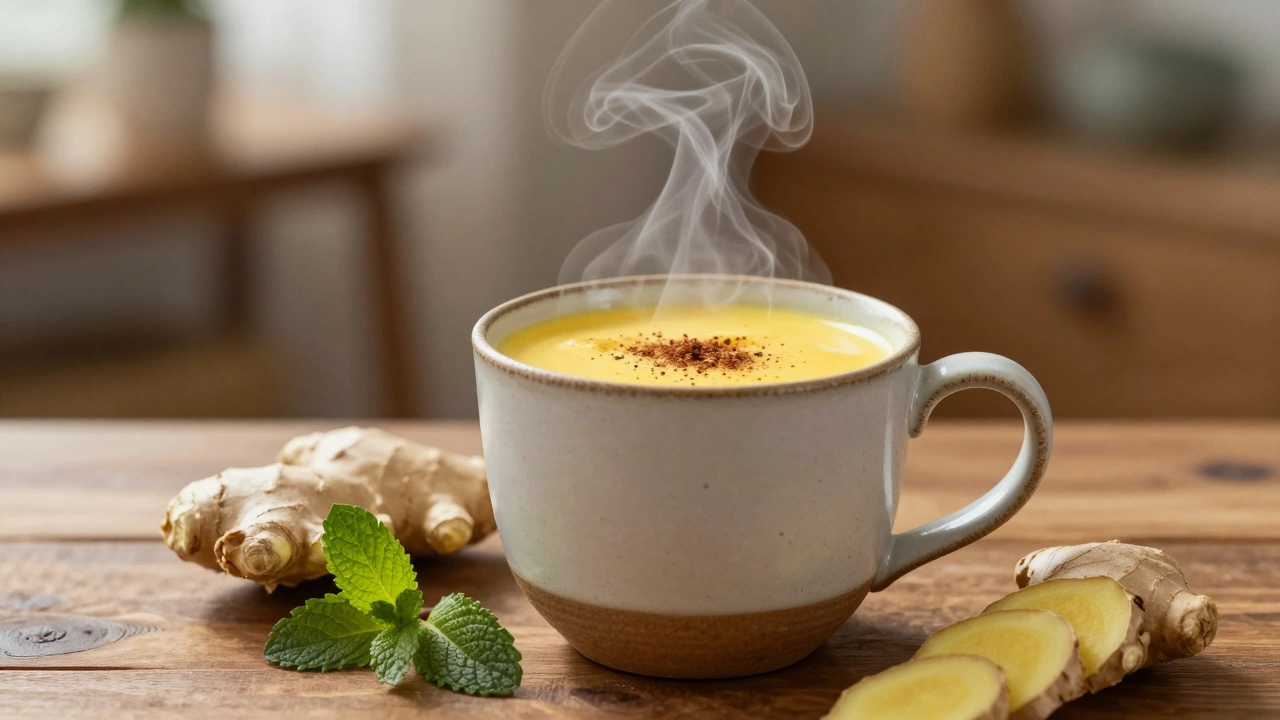
For those who find turmeric too intense for their stomach, ginger is a gentler alternative. Many people find success by combining both into a 'golden milk' or a tea. When you combine these with Green Tea, you add EGCG, a powerful catechin that prevents the breakdown of cartilage in joints. This creates a multi-pronged attack: turmeric blocks the inflammatory signals, ginger soothes the gut, and green tea protects the structural integrity of your tissues.
Common Pitfalls and Mistakes to Avoid
The biggest mistake people make is treating anti-inflammatory foods like a pill. You can't eat a burger and fries and then take a turmeric capsule to 'cancel it out.' Inflammation is a cumulative process. If you are consuming high amounts of refined sugar and trans fats, you are constantly triggering the release of inflammatory markers. No amount of herbal supplements can outrun a diet that actively promotes swelling.
Another common error is ignoring the dosage. Culinary turmeric-the stuff in your spice rack-contains only about 3% curcumin. To get a therapeutic dose that rivals a pharmaceutical anti-inflammatory, you'd have to eat massive amounts of powder, which can irritate the stomach lining. This is where standardized extracts come in. A high-quality supplement will specify the percentage of curcuminoids, ensuring you get the concentrated dose needed to actually penetrate the blood-brain barrier or reach deep joint tissue.
Creating Your Anti-Inflammatory Blueprint
Instead of hunting for one single food, build a daily routine that targets inflammation from different angles. Start your morning with a warm drink containing turmeric, ginger, and a pinch of black pepper. For lunch, prioritize leafy greens and a source of healthy fats, like avocado or olive oil, which help transport the fat-soluble curcumin into your cells.
Focus on the 'color' of your plate. Dark purple blueberries, deep green spinach, and orange carrots are all packed with flavonoids and carotenoids. These aren't just colors; they are the body's defense mechanisms against oxidative stress. When you eat a variety of these, you aren't just relying on one compound, but a whole spectrum of antioxidants that protect your DNA from the damage caused by chronic inflammation.
Can I just take turmeric supplements instead of eating the food?
Supplements are more concentrated and generally more effective for treating existing inflammation because they provide a higher dose of curcumin. However, they don't provide the fiber and other micronutrients found in whole foods. The best approach is to use a supplement for acute pain while eating a whole-food diet to maintain long-term wellness.
Are there any side effects to taking too much turmeric?
In moderation, turmeric is very safe. However, in very high doses, it can act as a blood thinner. If you are taking medication like Warfarin or preparing for surgery, you should talk to your doctor, as it can increase the risk of bruising or bleeding.
How long does it take for anti-inflammatory foods to work?
Unlike ibuprofen, which works in 30 minutes, herbal options like turmeric and omega-3s take time to build up in your system. Most people notice a significant difference in joint stiffness and energy levels after 4 to 8 weeks of consistent daily use.
Does honey or lemon affect the potency of turmeric?
Honey and lemon don't significantly change the chemical potency of curcumin, but lemon can help with the absorption of other minerals in the diet. The only additive that truly matters for turmeric is a fat source (like coconut oil) and piperine (black pepper).
Which is better, turmeric or ginger?
Neither is 'better'; they just target different things. Turmeric is generally more powerful for systemic inflammation and joint pain. Ginger is superior for digestive inflammation, nausea, and respiratory congestion. Using them together often provides the best result.
Next Steps for Your Health Journey
If you're just starting, don't change everything overnight. Start by adding one teaspoon of turmeric and a pinch of black pepper to your morning routine. If you have a history of gallbladder issues, check with a professional first, as turmeric can cause the gallbladder to contract. Once you feel comfortable, start replacing seed oils with extra virgin olive oil to lower your omega-6 intake. For those with severe chronic pain, consider tracking your symptoms in a journal for 30 days to see exactly which foods trigger your flares and which ones actually bring you relief.