
What Is the Most Damaging Mental Illness? A Guide to Severity and Impact
Mental Illness Impact Comparison Tool
Select two conditions below to compare their impact areas, suicide risk levels, treatment complexity, and social stigma based on clinical data.
Schizophrenia
Chronic brain disorder affecting reality testing
High Suicide RiskBipolar Disorder
Extreme mood shifts between mania and depression
Very High Suicide RiskBorderline PD
Intense emotional pain and relationship instability
High Suicide RiskMajor Depression
Leading cause of global disability
Moderate-High RiskComparison Results
Key Insight
When people ask which mental illness is the most damaging, they are usually looking for a single name. They want to know which condition causes the most pain, destroys the most lives, or creates the biggest burden on society. The truth is messier. There is no single "worst" illness because damage looks different depending on who you ask.
If you measure damage by early death, Schizophrenia is a chronic brain disorder that affects how a person thinks, feels, and behaves often takes the top spot due to suicide and physical health complications. If you measure damage by emotional chaos and relationship destruction, Borderline Personality Disorder is a condition characterized by instability in mood, self-image, and relationships might feel like the heaviest burden. And if you look at global disability rates, major depression wins.
We need to stop ranking suffering. Instead, let’s look at what makes these conditions so difficult to live with, how they impact daily life, and why understanding the nuance matters more than finding a villain. This isn’t about fear-mongering; it’s about recognizing where the real challenges lie so we can seek better help.
The Case for Schizophrenia: The Loss of Reality
Schizophrenia is frequently cited as one of the most disabling conditions in psychiatry. Why? Because it attacks the very foundation of human experience: reality testing. When someone has Schizophrenia, their brain processes information differently. They might hear voices that others don’t (auditory hallucinations) or believe things that aren’t true (delusions).
The damage here isn’t just psychological; it’s structural. People with this condition often face a reduced life expectancy-sometimes 10 to 20 years less than the general population. This isn’t just due to suicide risk, though that is high. It’s also because of metabolic side effects from antipsychotic medications, smoking rates, and a lack of access to routine healthcare.
Consider the social cost. Many individuals with schizophrenia struggle to maintain employment or housing. The stigma attached to the diagnosis is profound. People are often feared rather than understood. This isolation compounds the illness, creating a feedback loop where the person withdraws further from society, making recovery even harder.
- Core Symptom: Psychosis (loss of contact with reality).
- Primary Challenge: Maintaining independent living and safety.
- Long-term Outlook: Chronic management required; full remission is rare but possible.
Bipolar Disorder: The Rollercoaster That Breaks You
If schizophrenia is a fog that never lifts, Bipolar Disorder is a mood disorder involving extreme shifts between mania and depression is a storm that changes direction every hour. The damage here comes from volatility. During manic episodes, people might feel invincible. They spend all their savings, engage in risky sexual behavior, or start massive business ventures that collapse.
Then comes the crash. The depressive phase can be just as severe as in major depression, but it follows a period of high energy, which makes the contrast even more jarring. The damage to relationships is significant. Partners and family members often walk on eggshells, never knowing which version of the person will show up today.
One specific type, Bipolar I, involves full manic episodes that may require hospitalization. Bipolar II involves hypomania (less intense) and severe depression. Both are debilitating. The suicide risk in bipolar disorder is among the highest of any mental health condition, largely because the energy to act on suicidal thoughts often returns during mixed states or mild manic phases.
Borderline Personality Disorder: The Emotional Wound That Won’t Heal
For many patients, Borderline Personality Disorder (BPD) is a mental health condition marked by difficulties regulating emotions feels like the most damaging. Unlike schizophrenia, BPD doesn’t typically cause psychosis. Instead, it causes intense emotional pain. People with BPD often feel emotions twice as strongly and take twice as long to recover from them.
The hallmark of BPD is fear of abandonment. This leads to frantic efforts to keep people close, which can paradoxically push them away. Relationships become a cycle of idealization and devaluation. One day, you are the best partner ever; the next, you are the worst enemy. This emotional whiplash leaves both the patient and their loved ones exhausted.
Self-harm is common in BPD, not always with the intent to die, but to regulate overwhelming emotional pain. The stigma against BPD is unique; many clinicians have historically labeled these patients as "difficult" or "untreatable." Fortunately, therapies like Dialectical Behavior Therapy (DBT) have changed this narrative, showing that BPD symptoms can decrease significantly over time.
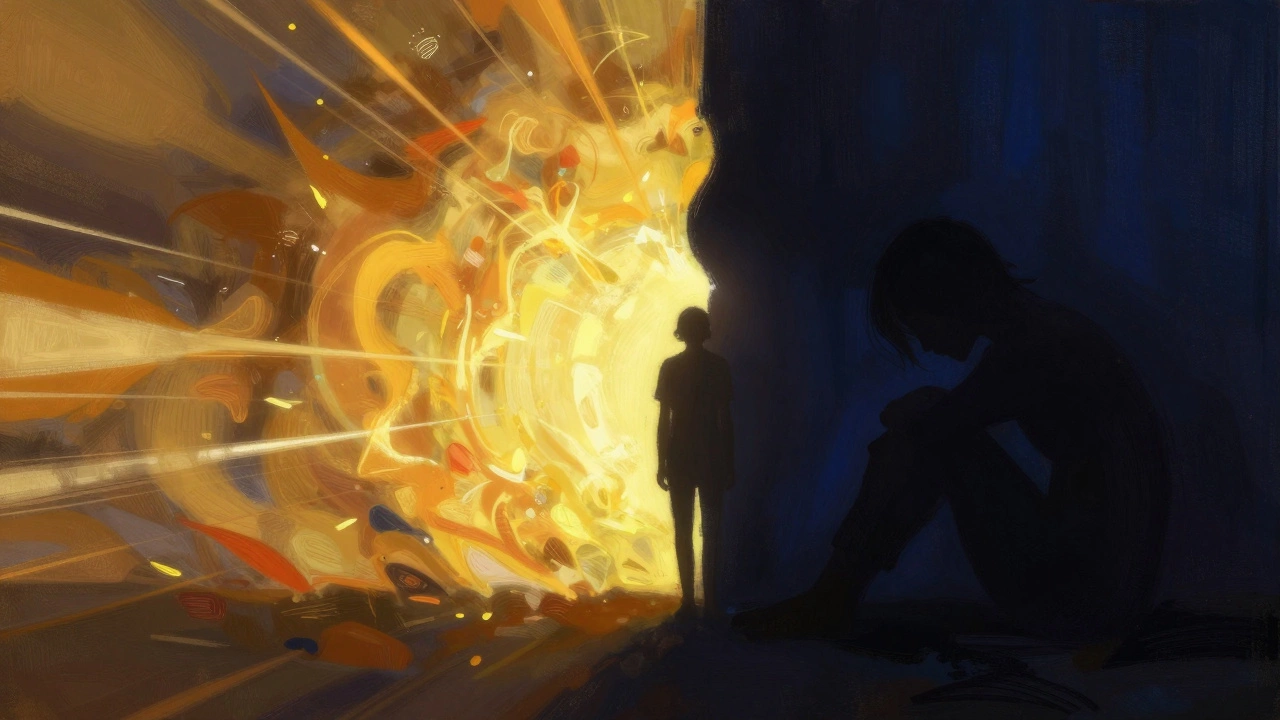
Major Depressive Disorder: The Silent Epidemic
You might think depression is "just sadness," but Major Depressive Disorder (MDD) is a persistent feeling of sadness and loss of interest that interferes with daily life is actually the leading cause of disability worldwide according to the World Health Organization. Its damage is insidious because it is invisible. You can sit in an office, smile at colleagues, and be completely broken inside.
The damage lies in its pervasiveness. It affects sleep, appetite, concentration, and motivation. Over time, untreated depression rewires the brain, shrinking areas responsible for memory and decision-making. It increases the risk of heart disease, stroke, and diabetes. It erodes your ability to work, parent, and connect.
Because it is so common, it is often minimized. "Just cheer up" is the worst advice you can give. For those with severe MDD, the world literally loses its color and meaning. The cumulative effect of years of depression can destroy a career and a marriage without anyone realizing until it’s too late.
Comparing the Damage: A Look at the Data
To understand which is "most damaging," we have to look at metrics. We can’t quantify pain, but we can quantify impact. Here is how these major conditions compare across key indicators.
| Mental Illness | Primary Impact Area | Suicide Risk Level | Treatment Complexity | Social Stigma |
|---|---|---|---|---|
| Schizophrenia | Cognitive & Functional | High | Very High | Extreme |
| Bipolar Disorder | Emotional & Behavioral | Very High | High | Moderate |
| Borderline PD | Relational & Emotional | High | High (Therapy intensive) | High (Clinician bias) |
| Major Depression | Global Functioning | Moderate-High | Moderate | Low-Moderate |
Note that "treatment complexity" doesn’t mean untreatable. It means that managing the condition requires more resources, consistency, and support systems. Schizophrenia often requires medication adherence monitoring and social services. BPD requires specialized psychotherapy. Bipolar disorder requires careful medication balancing to avoid triggering episodes.

Why the Question "Which is Worst?" is Dangerous
Focusing on which illness is the "most damaging" can lead to harmful comparisons. It suggests that some people suffer more than others, which invalidates the experiences of those with "less severe" diagnoses. A person with Obsessive-Compulsive Disorder (OCD) might spend six hours a day washing their hands. That is a massive loss of life quality, even if they aren’t psychotic.
Furthermore, comorbidity is the rule, not the exception. Many people have multiple conditions. Someone might have Bipolar Disorder AND Anxiety. Another might have Schizophrenia AND Substance Use Disorder. These combinations create unique challenges that defy simple categorization.
The real danger is that focusing on severity distracts us from treatment. Whether you have BPD or Schizophrenia, the goal is the same: improve quality of life, reduce suffering, and restore function. Energy spent debating who has it worse is energy taken away from seeking help.
Signs You Need Professional Help
You don’t need a diagnosis to recognize when things are wrong. If you or someone you know is experiencing any of the following, it’s time to talk to a professional:
- Loss of Function: Unable to go to work, school, or care for basic hygiene.
- Social Withdrawal: Cutting off friends and family for extended periods.
- Physical Changes: Significant weight loss/gain, sleep disturbances, or unexplained pain.
- Hopelessness: Feeling that nothing will ever get better.
- Risky Behavior: Impulsive spending, substance abuse, or self-harm.
In the UK, you can start by seeing your GP. They can refer you to community mental health teams or provide initial counseling. In other countries, primary care physicians play a similar role. Early intervention is critical. The longer a condition goes untreated, the more entrenched it becomes in your neural pathways.
Recovery is Possible for All Conditions
It is easy to fall into despair when reading about the severity of these illnesses. But modern psychiatry has made huge strides. Antipsychotics have improved. Mood stabilizers are more refined. Psychotherapies like CBT, DBT, and ACT offer tools to manage symptoms that were previously thought incurable.
Recovery doesn’t always mean "cure." For many, it means learning to live well despite the condition. It means building a support network, finding a job that accommodates your needs, and developing coping strategies. People with schizophrenia run businesses. People with BPD have stable marriages. People with bipolar disorder write novels and raise families.
The most damaging thing about mental illness isn’t the biology-it’s the isolation. Breaking that silence is the first step toward healing.
Is schizophrenia the most dangerous mental illness?
Schizophrenia is often considered highly disabling due to its impact on cognitive function and reality testing. However, "dangerous" is a misleading term. People with schizophrenia are far more likely to be victims of violence than perpetrators. The greatest risks are internal: suicide, self-neglect, and physical health decline.
Can borderline personality disorder be cured?
While there is no "cure" in the sense of eliminating the predisposition, BPD is highly treatable. Studies show that a majority of patients achieve remission of symptoms over time, especially with therapies like Dialectical Behavior Therapy (DBT). Many people no longer meet the diagnostic criteria after several years of treatment.
How does bipolar disorder differ from depression?
Major depression involves only low moods. Bipolar disorder involves cycles of depression and mania (or hypomania). Mania is characterized by elevated mood, high energy, decreased need for sleep, and impulsive behavior. Treating bipolar disorder with standard antidepressants alone can sometimes trigger manic episodes, so accurate diagnosis is crucial.
What is the life expectancy for someone with a severe mental illness?
People with severe mental illnesses like schizophrenia or bipolar disorder often have a reduced life expectancy of 10-20 years compared to the general population. This is largely due to cardiovascular disease, diabetes, respiratory issues, and higher rates of suicide, rather than the mental illness itself directly causing death.
Which mental illness has the highest suicide rate?
Bipolar disorder and Borderline Personality Disorder both have very high rates of suicide attempts and completions. Schizophrenia also carries a significant risk. The combination of impulsivity (in BPD), energy (in mania/mixed states), and hopelessness (in depression) creates a perfect storm for suicidal behavior in these conditions.