
What Is the #1 Most Diagnosed Mental Disorder? Anxiety Explained
Anxiety Symptom Checker
Select the symptoms you have experienced frequently over the past few weeks across different categories.
Rapid Heartbeat
Heart racing or pounding without physical exertion
Sweating
Excessive sweating unrelated to temperature
Trembling
Shaking hands or body parts
Fatigue
Constant tiredness despite rest
Racing Thoughts
Mind won't shut off or stops
Focus Issues
Difficulty concentrating on tasks
"What-If" Thinking
Constantly imagining worst-case scenarios
Chronic Worry
Uncontrollable worry about everyday things
Irritability
Feeling easily annoyed or agitated
Overwhelmed
Feeling unable to cope with daily demands
Impending Doom
Sense that something bad will happen
Fear of Judgment
Intense fear in social situations
Avoidance
Staying away from triggers or places
Procrastination
Delaying tasks due to anxiety
Seeking Reassurance
Constantly asking others if everything is okay
Sleep Problems
Trouble falling or staying asleep
Your Results
Symptom Score
Categories Affected
Recommendation
When you hear "mental illness," what comes to mind? For many, it’s depression or bipolar disorder. But if you look at the actual numbers, the answer is different. Anxiety disorders are the most common and widely diagnosed mental health conditions globally. They affect hundreds of millions of people, cutting across age, gender, and geography. If you’ve ever felt a racing heart before a big meeting or couldn’t sleep because your mind wouldn’t shut off, you’ve touched the edge of this massive public health issue.
The Global Scale of Anxiety Disorders
To understand why anxiety holds the top spot, we need to look at the data. According to recent reports from the World Health Organization (WHO), anxiety disorders affect approximately 300 million people worldwide. That is roughly 3.8% of the global population. In the United States alone, the National Institute of Mental Health (NIMH) reports that over 31% of adults experience an anxiety disorder in any given year. These aren't just bad days; these are clinical diagnoses that interfere with daily life.
Why does anxiety outpace other conditions like Major Depressive Disorder? Partly because anxiety often serves as a gateway condition. It can appear first in childhood, persist into adulthood, and frequently co-occurs with depression. When two conditions overlap, clinicians often diagnose both, but anxiety remains the primary label for the largest single group of patients seeking help.
What Exactly Are Anxiety Disorders?
It’s easy to confuse normal worry with a clinical disorder. Everyone feels stressed before a test or nervous about a job interview. That is a natural response. An Anxiety Disorder, however, is characterized by excessive fear, worry, or avoidance that persists for months and disrupts your ability to function. The Diagnostic and Statistical Manual of Mental Disorders (DSM-5) categorizes several specific types under this umbrella.
- Generalized Anxiety Disorder (GAD): Chronic, uncontrollable worry about everyday things like health, money, or family.
- Social Anxiety Disorder: Intense fear of social situations and being judged by others.
- Panic Disorder: Recurrent, unexpected panic attacks accompanied by physical symptoms like chest pain or shortness of breath.
- Phobias: Extreme fear of specific objects or situations, such as heights or flying.
The key difference between normal stress and a disorder is intensity and duration. If the fear is disproportionate to the threat and lasts longer than six months, it likely crosses into clinical territory.
Why Has Diagnosis Rates Increased?
You might wonder if anxiety is actually becoming more common, or if we are just better at spotting it. The truth is a mix of both. First, stigma has decreased significantly. In the past, people hid their struggles. Today, discussing mental health is more acceptable, leading to higher diagnosis rates. Second, modern life has introduced new stressors. Digital connectivity means we are always "on," blurring the lines between work and rest. Economic uncertainty and global events have also contributed to a baseline level of heightened alertness in many populations.
Furthermore, healthcare providers are now more trained to recognize anxiety not just as a standalone issue, but as a component of broader health concerns. This leads to earlier identification and treatment, which inflates the numbers but ultimately helps more people get care.
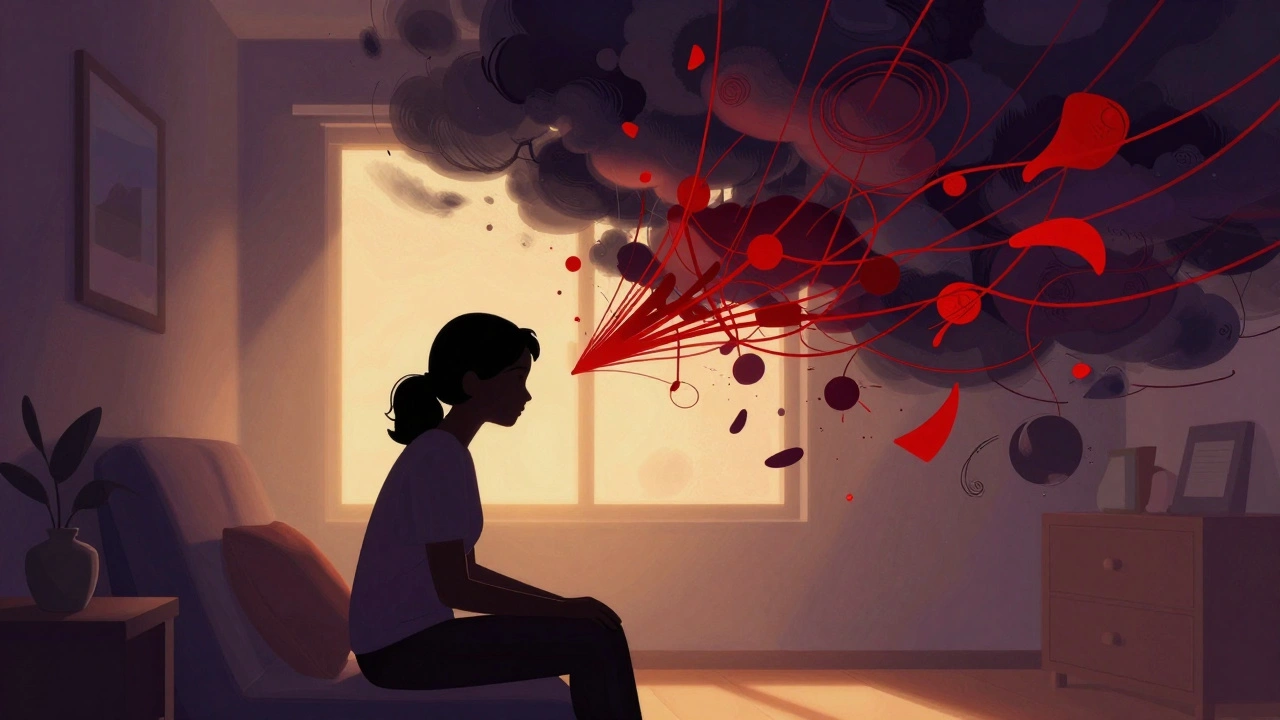
Recognizing the Signs: Beyond Worry
Anxiety doesn’t always look like sitting on the couch worrying. It manifests physically and behaviorally. Recognizing these signs is crucial for early intervention.
| Symptom Category | Specific Indicators |
|---|---|
| Physical | Rapid heartbeat, sweating, trembling, muscle tension, fatigue |
| Cognitive | Racing thoughts, difficulty concentrating, constant "what-if" scenarios |
| Emotional | Irritability, feeling overwhelmed, sense of impending doom |
| Behavioral | Avoidance of triggers, procrastination, seeking reassurance constantly |
If you notice these patterns affecting your work, relationships, or sleep, it is time to seek professional evaluation. Self-diagnosis can be misleading, so consulting a licensed therapist or psychiatrist is the best next step.
Treatment Options That Work
The good news is that anxiety disorders are highly treatable. You don’t have to live with them. The gold standard for treatment usually involves a combination of therapy and, when necessary, medication.
Cognitive Behavioral Therapy (CBT) is the most effective form of psychotherapy for anxiety. CBT helps you identify negative thought patterns and replace them with healthier ones. It also includes exposure techniques, where you gradually face your fears in a controlled way. Studies show that CBT can lead to significant improvement in up to 60% of patients.
For those who need additional support, medications like Selective Serotonin Reuptake Inhibitors (SSRIs) are often prescribed. SSRIs help balance brain chemicals that regulate mood. They are not a cure-all, but they can reduce symptoms enough to allow you to engage effectively in therapy. Always discuss medication options with a doctor, as side effects and interactions vary by individual.

Lifestyle Factors and Prevention
While professional help is essential, lifestyle changes play a huge role in managing anxiety. Regular exercise is one of the most powerful tools available. Physical activity releases endorphins, which act as natural mood lifters. Even a 30-minute walk daily can lower cortisol levels, the body’s primary stress hormone.
Sleep hygiene is another critical factor. Lack of sleep exacerbates anxiety, creating a vicious cycle. Prioritizing seven to nine hours of quality sleep can stabilize your emotional responses. Additionally, mindfulness practices like meditation and deep breathing exercises help calm the nervous system. Apps and online resources make these techniques accessible to anyone, anywhere.
The Impact on Daily Life
Living with an undiagnosed anxiety disorder can be exhausting. It drains energy, reduces productivity, and strains relationships. People often withdraw from social activities to avoid triggers, leading to isolation. Over time, this isolation can worsen mental health outcomes, potentially leading to secondary issues like depression or substance abuse.
However, acknowledging the problem is the first step toward reclaiming your life. With proper treatment, most people with anxiety disorders go on to lead full, productive lives. The goal isn’t to eliminate all stress-stress is part of being human-but to manage it so it doesn’t control your decisions.
Seeking Help: Where to Start
If you suspect you have an anxiety disorder, start with your primary care physician. They can rule out physical causes for your symptoms, such as thyroid issues, which can mimic anxiety. From there, they can refer you to a mental health specialist. Look for therapists who specialize in CBT or anxiety-specific treatments. Many insurance plans cover mental health services, and community clinics often offer sliding-scale fees based on income.
Remember, asking for help is a sign of strength, not weakness. Millions of people suffer in silence simply because they believe no one understands. By speaking up, you join a growing community of individuals taking charge of their mental well-being.
Is anxiety considered a disability?
Yes, severe anxiety disorders can be classified as disabilities under laws like the Americans with Disabilities Act (ADA). If your anxiety significantly limits major life activities, such as working or socializing, you may qualify for accommodations or benefits. Consult with a legal expert or healthcare provider to determine eligibility.
Can anxiety go away without treatment?
While mild anxiety may fluctuate with life circumstances, clinical anxiety disorders rarely resolve on their own. Without treatment, symptoms often persist or worsen over time, potentially leading to other mental health issues. Professional intervention offers the best chance for long-term relief.
What is the difference between anxiety and stress?
Stress is typically a reaction to an external pressure or demand, such as a deadline. Once the pressure is removed, stress usually subsides. Anxiety, on the other hand, is an internal state of unease that persists even when there is no immediate threat. It is often future-oriented and disproportionate to the situation.
How do I know if my anxiety is severe?
Severity is determined by how much your anxiety interferes with daily functioning. If you miss work, avoid social events, struggle to perform basic tasks, or experience frequent panic attacks, your anxiety may be severe. A mental health professional can provide a formal assessment using standardized tools.
Are there natural remedies for anxiety?
Some natural approaches, such as regular exercise, mindfulness meditation, and adequate sleep, can significantly reduce anxiety symptoms. Certain supplements, like lavender oil or valerian root, may offer mild relief for some people, but evidence varies. Always consult your doctor before starting any supplement, especially if you are taking medication.