What Is the #1 Herb for Inflammation? Turmeric, Ginger & More
Find Your Best Anti-Inflammatory Herb
What is your primary concern?
Select the symptom you'd most like to address.
Chronic inflammation is often called the "silent killer" because it fuels everything from arthritis to heart disease. You might be popping ibuprofen daily, but what if nature had a better answer? The question on everyone’s mind is simple: turmeric is widely considered the number one herb for fighting inflammation, thanks to its active compound, curcumin. But is it really that magic?
We’re going to cut through the hype. While turmeric takes the crown, it’s not the only player in town. Ginger, boswellia, and even rosemary have serious credentials. This guide breaks down the science, tells you how to actually use these herbs so they work (spoiler: eating raw turmeric does almost nothing), and helps you decide which one fits your specific pain points.
Why Turmeric Takes the Top Spot
If you walk into any health food store, turmeric is everywhere. It’s in lattes, capsules, and powders. But why does it beat out other anti-inflammatory herbs? The secret lies in curcumin, the bright yellow pigment responsible for turmeric’s color and most of its medicinal power.
Curcumin works by blocking NF-kB, a molecule that travels into the nuclei of cells and turns on genes related to inflammation. Think of NF-kB as the master switch for chronic inflammation. Curcumin flips that switch off. Studies published in journals like *Pharmacological Research* show that curcumin can be as effective as some anti-inflammatory drugs, without the stomach ulcers or kidney stress associated with long-term NSAID use.
However, there’s a massive catch. Your body doesn’t absorb curcumin well. If you just sprinkle turmeric powder on your eggs, most of it passes right through you. To make it work, you need two things:
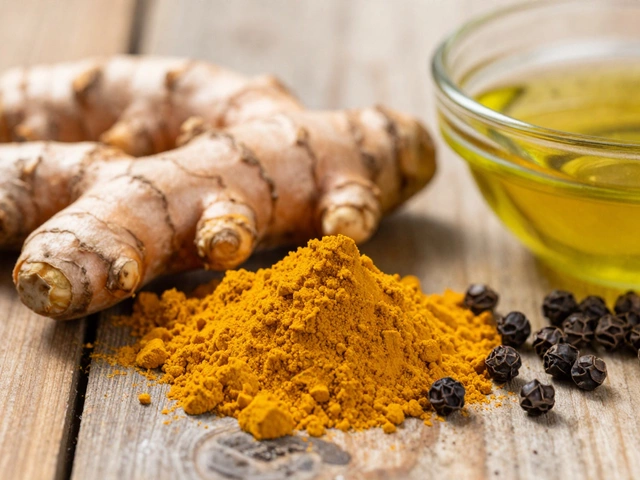
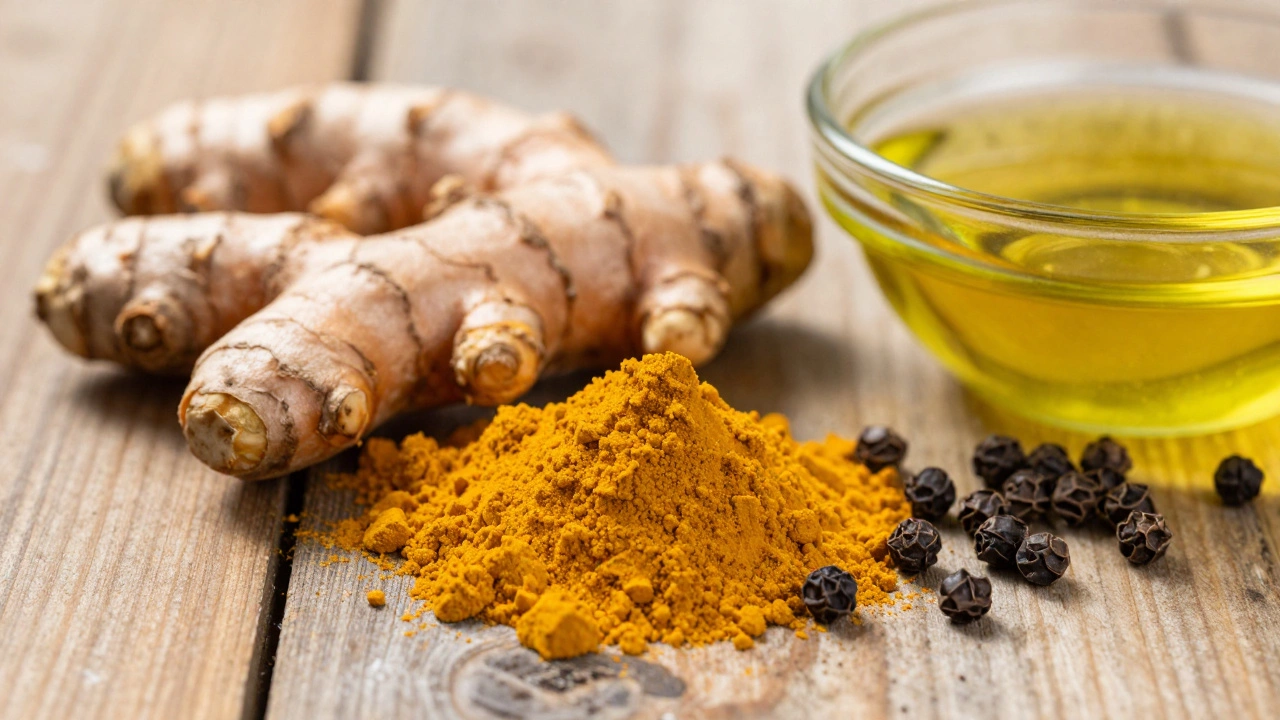
- Black Pepper: Piperine, the active ingredient in black pepper, boosts curcumin absorption by up to 2,000%.
- Fat: Curcumin is fat-soluble. Taking it with olive oil, avocado, or coconut milk ensures it enters your bloodstream rather than ending up in the toilet.
Without these helpers, turmeric is just a pretty spice. With them, it becomes a potent therapeutic tool.
The Runner-Up: Ginger’s Heat
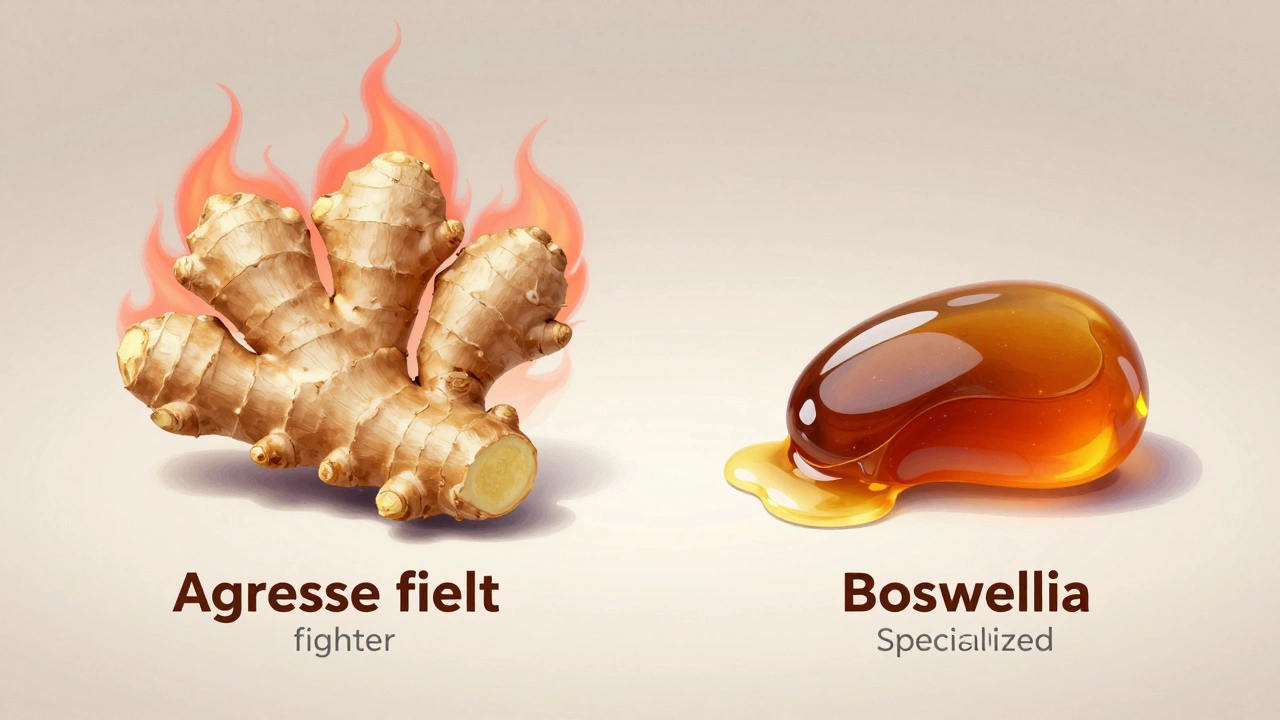
If turmeric is the calm strategist, ginger is the aggressive fighter. Ginger contains compounds called gingerols and shogaols, which inhibit the production of pro-inflammatory cytokines. These are the same chemicals targeted by drugs like aspirin and ibuprofen.
Ginger shines particularly well for acute inflammation and muscle pain. A study involving runners found that consuming 2 grams of ginger daily significantly reduced exercise-induced muscle pain compared to a placebo. Unlike turmeric, which is great for systemic, low-grade inflammation (like joint stiffness in the morning), ginger provides faster relief for sore muscles and digestive inflammation.
You don’t need expensive supplements for ginger. Fresh ginger root, grated into tea or smoothies, offers high bioavailability. Dried ginger powder works too, but fresh retains more volatile oils that contribute to its anti-inflammatory effects.
Boswellia: The Joint Specialist
While turmeric and ginger are kitchen staples, Boswellia serrata, also known as Indian frankincense, is a specialized extract used in Ayurvedic medicine for centuries. It’s not something you’ll find in your spice rack, but it deserves a spot in this conversation, especially if you suffer from osteoarthritis or rheumatoid arthritis.
Boswellia works differently than most herbs. It inhibits an enzyme called 5-LOX (5-lipoxygenase). Most common anti-inflammatories target COX enzymes. By hitting a different pathway, Boswellia can be effective when other treatments fail. Clinical trials have shown that Boswellia extracts can improve walking distance and reduce pain in knee osteoarthritis patients within five weeks of use.
The downside? Quality varies wildly. Look for standardized extracts that contain at least 65% boswellic acids. Generic "frankincense" resin burned in incense won’t provide the therapeutic dose needed for inflammation.
Other Notable Contenders
Turmeric, ginger, and Boswellia lead the pack, but several other herbs offer significant benefits depending on your specific needs.
| Herb | Active Compound | Best For | Absorption Tip |
|---|---|---|---|
| Turmeric | Curcumin | Systemic inflammation, joint pain | Take with black pepper and fat |
| Ginger | Gingerols | Muscle soreness, digestive issues | Consume fresh or in tea |
| Boswellia | Boswellic Acids | Osteoarthritis, mobility | Use standardized extracts |
| Rosemary | Carnosic Acid | Brain inflammation, antioxidant support | Cook with it or take as extract |
| Willow Bark | Salicin | Headaches, lower back pain | Start with low doses to avoid stomach upset |
Rosemary isn’t just for roast chicken. Its carnosic acid protects brain cells from oxidative stress and inflammation, making it a strong candidate for neuroprotection. Willow bark is essentially nature’s aspirin. It contains salicin, which converts to salicylic acid in the body. It’s effective for headaches and back pain, but people allergic to aspirin should avoid it entirely.
How to Build an Anti-Inflammatory Protocol
Knowing the best herb is only half the battle. Using it correctly is where most people fail. Here is a practical approach to integrating these herbs into your daily life.
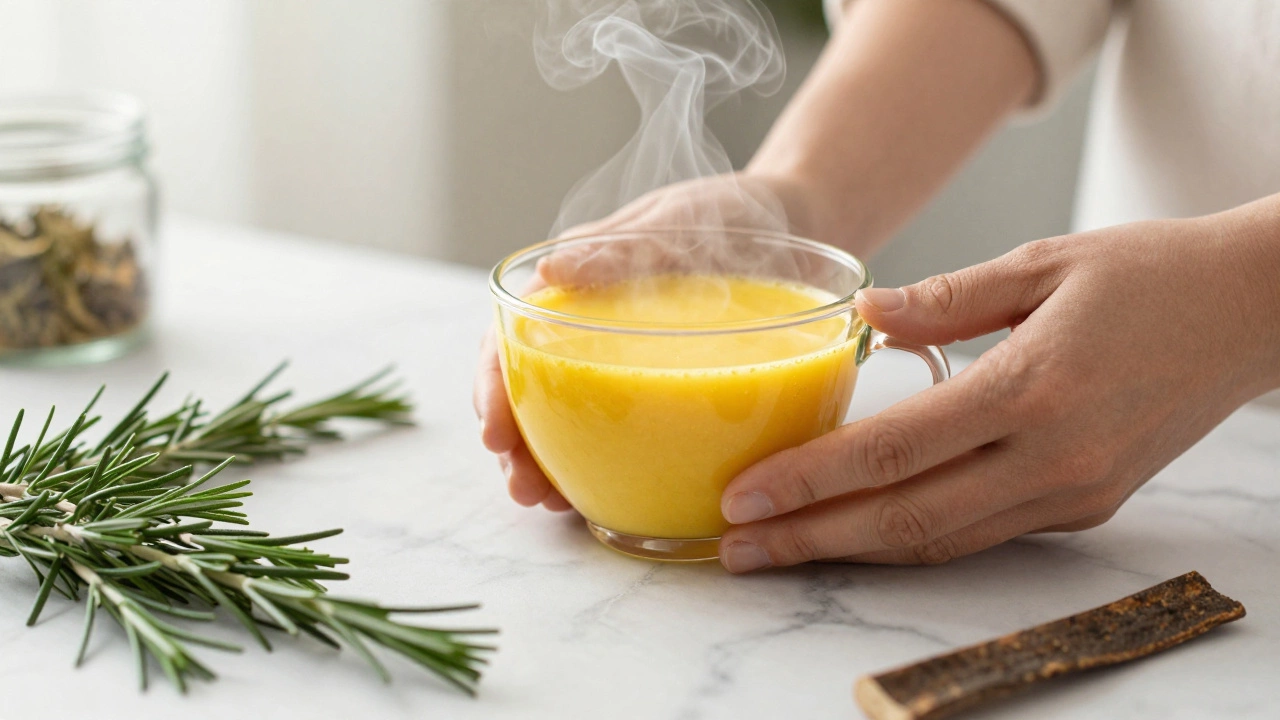
- Start with Food: Before buying supplements, add fresh ginger and turmeric to your cooking. Make a golden milk latte with turmeric, black pepper, and almond milk every night. Grate ginger into soups and stir-fries.
- Assess Severity: If you have mild stiffness, dietary changes may suffice. For diagnosed conditions like rheumatoid arthritis, consult your doctor about adding a high-quality curcumin supplement (look for brands that include piperine or liposomal delivery systems).
- Cycle Your Herbs: Your body can adapt to herbal remedies. Consider using turmeric daily, but rotate in ginger or Boswellia for specific flare-ups. This prevents tolerance buildup and covers multiple inflammatory pathways.
- Monitor Interactions: This is critical. Turmeric and ginger have mild blood-thinning properties. If you are on warfarin, aspirin, or other anticoagulants, talk to your healthcare provider before increasing your intake significantly. Willow bark is contraindicated for anyone with aspirin allergies or bleeding disorders.
Pitfalls to Avoid
The supplement industry is unregulated in many places, including the UK and US. Many "turmeric" supplements contain negligible amounts of actual curcumin. Always check the label for "standardized to X% curcuminoids." If it doesn’t say that, you’re likely paying for expensive yellow dirt.
Also, beware of "quick fix" marketing. Herbal anti-inflammatories work cumulatively. You won’t feel a dramatic change after one capsule. It typically takes 4-8 weeks of consistent use to see measurable reductions in pain and swelling. Patience is part of the protocol.
Is turmeric safe to take every day?
For most people, yes. Dietary amounts of turmeric are very safe. High-dose supplements (over 1,000mg of curcumin daily) may cause stomach upset, nausea, or diarrhea in some individuals. Long-term high-dose use should be monitored by a doctor, especially if you have gallbladder issues, as turmeric stimulates bile production.
Can I replace my prescription anti-inflammatories with herbs?
Never stop prescribed medication without consulting your doctor. Herbs can complement medical treatment, but they are not always strong enough to replace pharmaceuticals for severe autoimmune conditions. Sudden withdrawal from NSAIDs or steroids can cause rebound inflammation and other health risks.
Which is better: fresh turmeric root or powder?
Fresh root has higher levels of volatile oils and antioxidants, but it is harder to consume in therapeutic quantities. Powder is more concentrated in curcumin by weight. For daily cooking, fresh is great. For targeted anti-inflammatory therapy, a high-quality powdered extract or supplement is usually more effective due to dosage control.
Does black pepper really matter with turmeric?
Yes, absolutely. Without piperine from black pepper, curcumin is rapidly metabolized and eliminated by the liver. Adding just a pinch of black pepper can increase the bioavailability of curcumin by 2,000%, making the difference between an ineffective snack and a therapeutic dose.
How long does it take for anti-inflammatory herbs to work?
Unlike ibuprofen, which works in minutes, herbs work systemically and gradually. Most clinical studies show significant results after 4 to 8 weeks of consistent daily use. Some people report mild improvements in digestion or energy within the first week, but joint pain reduction typically requires longer-term commitment.