Pancreatic Cancer Survival: What You Need to Know About Treatment, Stages, and Hope
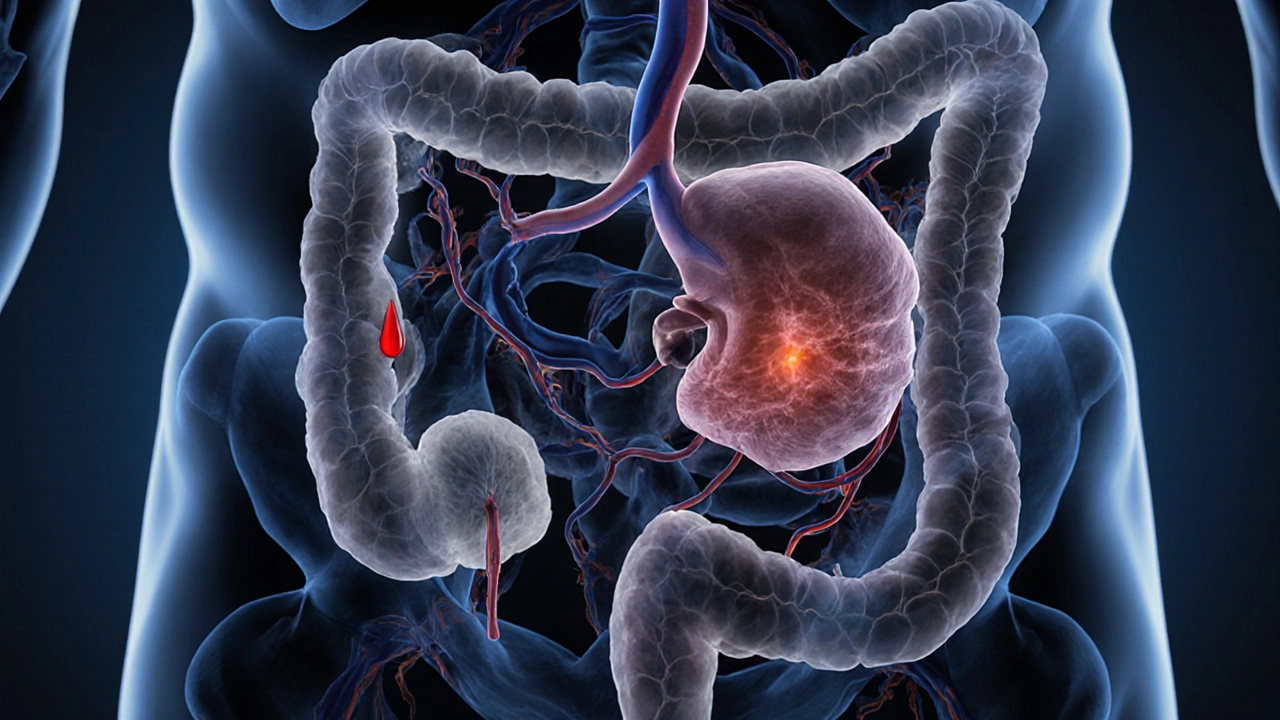
When people talk about pancreatic cancer, a fast-moving, often silent cancer that starts in the pancreas and spreads quickly. It's known for low survival rates, but that doesn't mean there's no hope—just that understanding it matters more than ever. Unlike some cancers that show early warning signs, pancreatic cancer often doesn’t cause symptoms until it’s advanced. That’s why survival rates have stayed low for decades. But recent advances in treatment, early detection tools, and personalized care are slowly changing the game.
Stage 4 pancreatic cancer, when the cancer has spread beyond the pancreas to organs like the liver or lungs used to mean a prognosis of just months. Now, some patients live over a year, even two, with newer drug combinations and targeted therapies. Pancreatic cancer treatment, includes surgery, chemotherapy, radiation, and newer immunotherapies that target specific genetic mutations. Not everyone is a candidate for surgery—but if the tumor is caught early and hasn’t touched major blood vessels, removing it can offer the best chance at long-term survival. Chemotherapy like FOLFIRINOX or gemcitabine with nab-paclitaxel has become standard for many, even when surgery isn’t possible.
Survival isn’t just about the stage or the drug. It’s also about your overall health, how well you tolerate treatment, and whether you’re getting care from a center that handles a lot of these cases. Hospitals that do 20+ pancreatic surgeries a year have better outcomes than those that do just a few. Genetic testing is now routine for many patients—some have inherited mutations like BRCA that make them respond better to certain drugs. And while the five-year survival rate for all stages combined is still under 13%, that number is slowly climbing, especially in younger patients and those with localized tumors.
What’s not talked about enough is the emotional and practical side. Pain management, nutrition, and mental health support aren’t optional extras—they’re part of survival. Many patients lose weight fast because the pancreas can’t make digestive enzymes. Special supplements and diet plans can help. And while it’s hard to stay positive, connecting with others who’ve been through it—whether through support groups or online communities—makes a real difference.
Below, you’ll find real, practical articles that break down what works in treatment, what the numbers really mean, and how people are managing life with this disease. No fluff. No false hope. Just facts, experiences, and guidance that can help you or someone you care about make smarter decisions.