What Is the Best Diabetes Medication With the Least Side Effects?
Diabetes Medication Side Effect Comparison Tool
Personalize Your Medication Match
Answer a few questions to find diabetes medications that best match your health profile and side effect tolerance.
Your Best Medication Matches
Key Benefits
Common Side Effects
There’s no one-size-fits-all answer to the best diabetes medication with the least side effects. Why? Because what works gently for one person might cause discomfort for another. The goal isn’t just to lower blood sugar-it’s to do it without making you feel worse. If you’re tired of nausea, weight gain, or low blood sugar crashes, you’re not alone. Many people with type 2 diabetes are now finding relief with newer options that don’t just manage glucose-they actually improve overall health.
Why Some Diabetes Drugs Cause More Side Effects
Older diabetes medications like sulfonylureas (glimepiride, glyburide) and thiazolidinediones (pioglitazone) were designed to force the pancreas to pump out more insulin. That sounds helpful-until you realize it can drop your blood sugar too low. Hypoglycemia isn’t just a nuisance. It can cause dizziness, confusion, sweating, and even seizures. These drugs also often lead to weight gain, which makes insulin resistance worse. It’s a cycle: the drug helps blood sugar, but makes the root problem harder to fix.
Metformin, the longtime first-choice drug, is much safer. It doesn’t cause low blood sugar on its own and may even help with weight loss. But up to 25% of people can’t tolerate it because of stomach upset-diarrhea, cramps, bloating. That’s why many stop taking it, even if it works.
The Newer Generation: Fewer Side Effects, More Benefits
The real shift in diabetes care happened in the last decade. New classes of drugs don’t just lower glucose-they change how the body handles fat, hunger, and insulin sensitivity. Two stand out: GLP-1 receptor agonists and SGLT2 inhibitors.
GLP-1 agonists (like semaglutide, liraglutide, dulaglutide) mimic a natural hormone that tells your brain you’re full and slows digestion. They lower blood sugar slowly and steadily, so low blood sugar is rare. In fact, studies show they reduce A1C by 1.0% to 1.8% without causing hypoglycemia. They also help people lose 5% to 15% of body weight-something no other diabetes drug does consistently. Side effects? Mostly mild nausea at first, which fades in weeks. A few people report temporary constipation or mild heartburn. Serious side effects are rare.
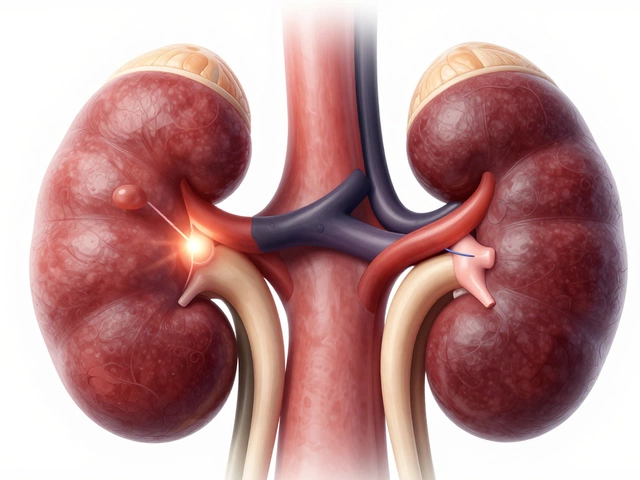
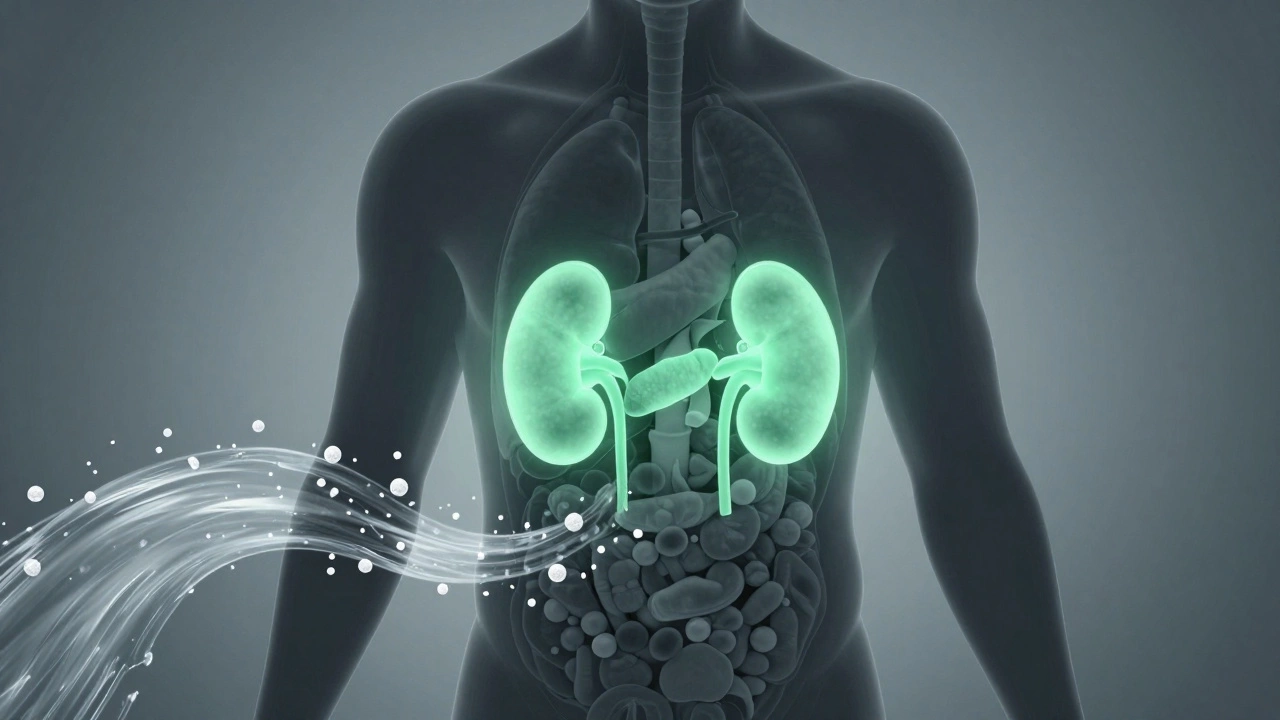
SGLT2 inhibitors (like empagliflozin, dapagliflozin, canagliflozin) work differently. They make your kidneys flush out extra sugar through urine. This pulls glucose out of the body without forcing insulin. That means no low blood sugar unless combined with insulin or sulfonylureas. These drugs also lower blood pressure and reduce heart failure risk by up to 30% in high-risk patients. Weight loss averages 4% to 6%. Side effects? A higher chance of urinary tract infections or yeast infections because sugar is in the urine. Drinking enough water helps prevent this.
Comparing Side Effect Profiles
| Medication Class | Common Side Effects | Severe Risk | Weight Impact | Heart/Kidney Benefit |
|---|---|---|---|---|
| GLP-1 Agonists | Nausea (temporary), constipation, mild stomach upset | Pancreatitis (rare), gallbladder issues | Significant loss (5-15%) | Yes-reduces heart attack risk |
| SGLT2 Inhibitors | Urinary tract infections, yeast infections, frequent urination | Dehydration, ketoacidosis (rare) | Moderate loss (4-6%) | Strong-reduces heart failure and kidney decline |
| Metformin | Diarrhea, bloating, gas (up to 25% of users) | Lactic acidosis (very rare) | Neutral or slight loss | Mild benefit |
| Sulfonylureas | Low blood sugar, hunger, weight gain | Severe hypoglycemia | Gain (5-10 lbs) | No benefit |
| Thiazolidinediones | Fluid retention, weight gain, bone fractures | Heart failure risk | Significant gain | No benefit |
Who Benefits Most From Each Option?
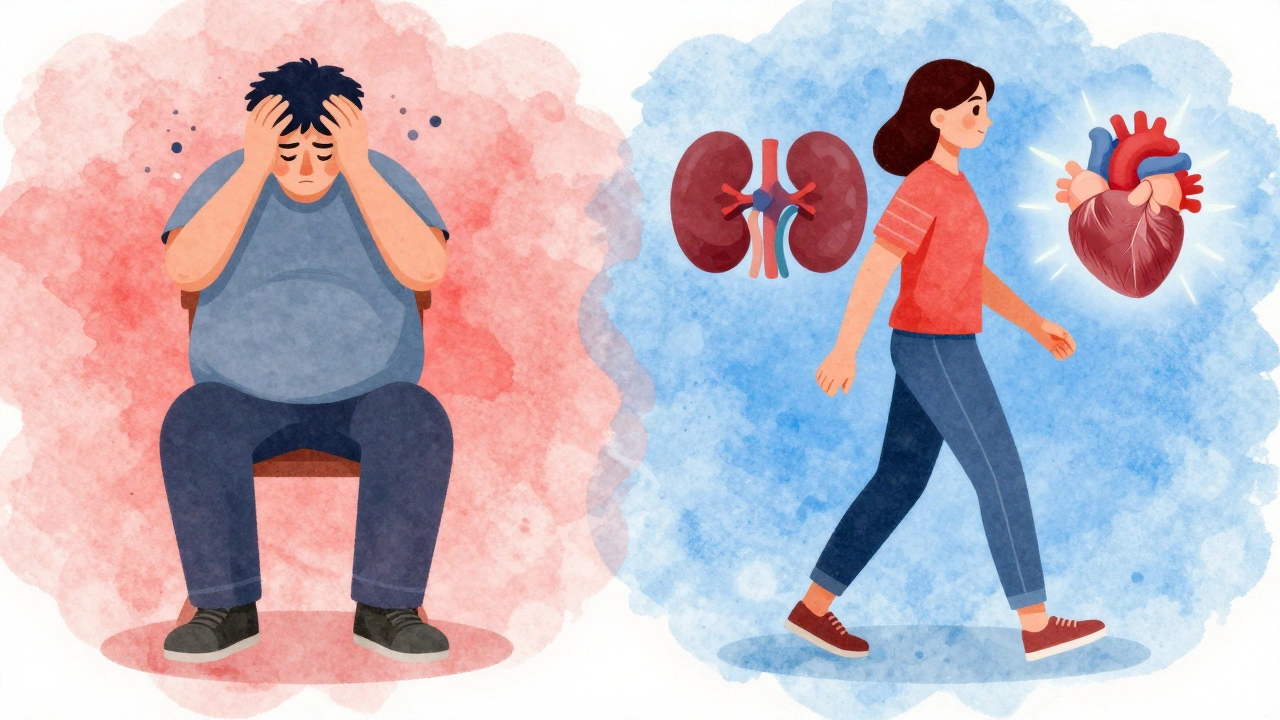
If you’re overweight and struggling with hunger, GLP-1 agonists are the strongest choice. People with heart disease or kidney issues get the most protection from SGLT2 inhibitors. If you’re lean and just need a simple, affordable option, metformin still holds up-especially if you can manage the gut issues.
For someone who’s had multiple low blood sugar episodes, GLP-1 or SGLT2 drugs are safer than anything that boosts insulin. For those who can’t swallow pills or prefer weekly injections, injectable GLP-1s like semaglutide (Wegovy, Ozempic) or dulaglutide (Trulicity) are convenient. Oral versions of GLP-1s (like Rybelsus) now exist too-no shots needed.
What About Cost and Access?
Here’s the catch: the best drugs with the least side effects aren’t always the cheapest. GLP-1 agonists and SGLT2 inhibitors can cost $800 to $1,200 a month without insurance. But many insurance plans now cover them for diabetes, especially if you have heart disease, kidney disease, or obesity. Generic metformin still costs under $10 a month. Some pharmaceutical companies offer patient assistance programs that cut the price of newer drugs to under $25 a month if you qualify.
Don’t assume you can’t afford the better options. Talk to your doctor or pharmacist about manufacturer coupons, patient support programs, or mail-order pharmacies. Many people don’t know these exist-and they make a huge difference.
Real-Life Results: What People Experience
One 58-year-old man with type 2 diabetes and high blood pressure switched from glimepiride to semaglutide. His A1C dropped from 8.9% to 6.2% in four months. He lost 22 pounds. His blood pressure improved. He stopped having nighttime lows. He says, "I feel like I’m not just managing diabetes-I’m getting my life back."
A 64-year-old woman with early kidney damage started dapagliflozin. Her urine protein levels dropped. Her heart function improved. She had two yeast infections in the first month but learned to drink more water and use probiotics. Now, she’s been infection-free for 10 months. "It wasn’t perfect," she says, "but it was the first time my meds didn’t make me feel worse."
How to Decide What’s Right for You
Start with these three questions:
- Do you have heart disease, kidney disease, or obesity? If yes, GLP-1 or SGLT2 drugs are likely your best bet.
- Can you handle mild stomach upset for a few weeks? If yes, GLP-1 agonists are worth trying.
- Are you prone to infections or can’t drink enough water? Then SGLT2 inhibitors might not be ideal.
Ask your doctor for a trial. Many clinics now offer 30-day samples of newer drugs. If nausea hits, don’t quit. Wait two weeks-it often fades. If you’re still uncomfortable, switch. There’s no shame in trying again.
The Bottom Line
The best diabetes medication with the least side effects isn’t a single drug. It’s the one that matches your body, your risks, and your lifestyle. For most people today, that’s either a GLP-1 agonist or an SGLT2 inhibitor. They don’t just control sugar-they help you live better. Metformin still has its place, especially if cost is a barrier. But if you’ve been struggling with side effects from older drugs, the newer options offer real relief. Talk to your doctor. Ask about alternatives. Your next pill might not just lower your A1C-it might change your life.
What diabetes medication has the least side effects overall?
GLP-1 receptor agonists like semaglutide and liraglutide generally have the mildest side effect profile for most people. They rarely cause low blood sugar and often lead to weight loss. The most common side effect is temporary nausea, which usually fades within a few weeks. SGLT2 inhibitors like empagliflozin are also low-risk but may increase the chance of urinary or yeast infections.
Is metformin still the best first choice for type 2 diabetes?
Metformin is still the most commonly prescribed first-line drug because it’s cheap, well-studied, and doesn’t cause low blood sugar. But it causes stomach issues in up to 25% of users. If you can’t tolerate it, newer drugs like GLP-1 agonists or SGLT2 inhibitors are now recommended as first-line alternatives by major guidelines-including the American Diabetes Association.
Can you stop taking diabetes medication if you lose weight?
Yes-many people who lose 10% or more of their body weight through diet, exercise, or GLP-1 medications can reduce or even stop their diabetes drugs. This doesn’t mean the diabetes is gone, but it can go into remission. Blood sugar levels stay normal without medication. That’s why weight loss is now a key goal in diabetes care, not just a side effect.
Do newer diabetes drugs really protect the heart and kidneys?
Yes. Large clinical trials involving over 30,000 people show that GLP-1 agonists reduce heart attack and stroke risk by 12-26%. SGLT2 inhibitors cut heart failure hospitalizations by 30% and slow kidney disease progression by 30-40%. These benefits are so strong that doctors now prescribe these drugs for heart and kidney protection-even in people without diabetes.
Are there any natural alternatives to diabetes medication?
There’s no natural supplement proven to replace diabetes medication. Berberine, cinnamon, and chromium may slightly lower blood sugar, but they don’t match the effectiveness of GLP-1 or SGLT2 drugs. They also aren’t regulated like prescription meds, so dosing and purity vary. Lifestyle changes-diet, movement, sleep-are powerful and should always be part of treatment. But they’re not substitutes for proven medication when it’s needed.