Hardest Cancer to Cure: What Makes Some Tumors So Tough to Beat
When people talk about the hardest cancer to cure, a type of malignant disease that resists standard treatments and spreads rapidly before detection, they’re not just talking about bad luck. They’re talking about biology that fights back—cancers that hide, mutate, and survive treatments designed to kill them. These aren’t just rare cases; they’re the ones doctors dread because even the most advanced therapies often fail to stop them long-term.
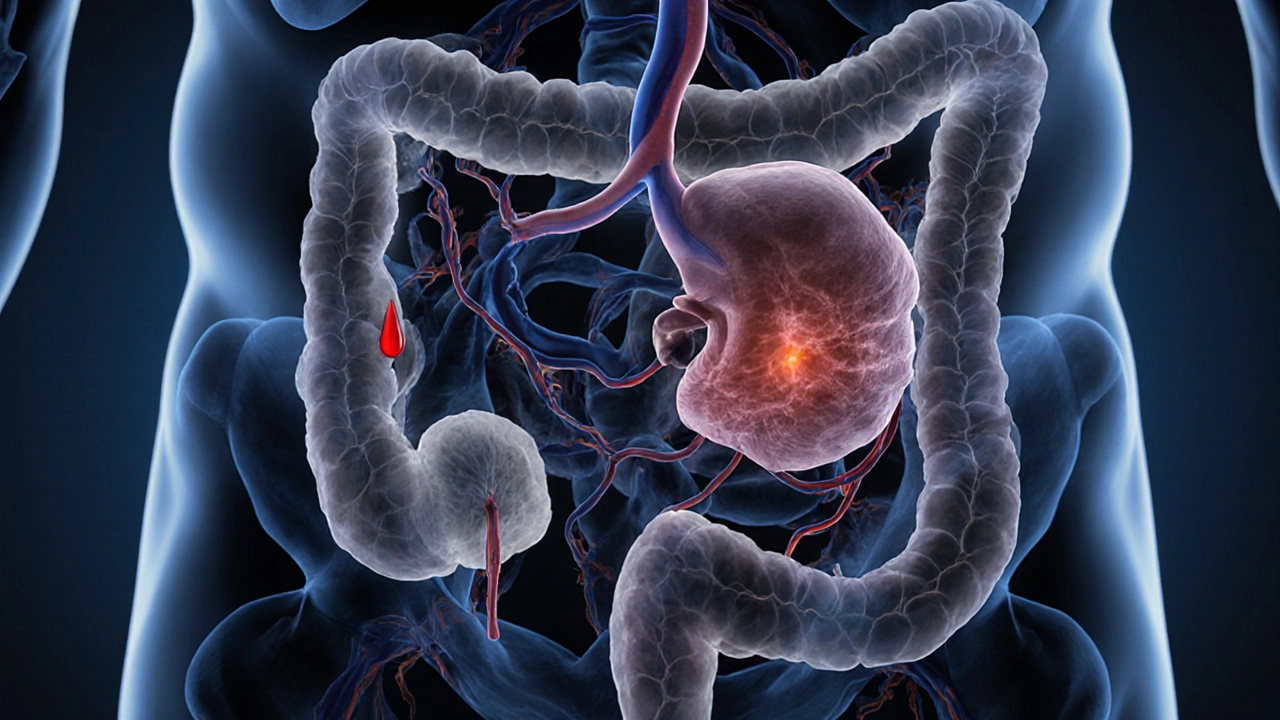
One of the most brutal examples is pancreatic cancer, a tumor that develops deep in the abdomen with few early symptoms and spreads quickly to nearby organs. By the time it’s found, it’s often already beyond surgery. Then there’s glioblastoma, an aggressive brain tumor that grows like roots through healthy tissue, making complete removal impossible. These aren’t just hard to treat—they’re designed to slip through the cracks of modern medicine. Even when chemotherapy or radiation shrinks them, they come back stronger, smarter, and faster.
What makes these cancers different isn’t just where they grow, but how they behave. They avoid the immune system, ignore signals to die, and thrive in low-oxygen environments. Some even turn nearby cells into allies, building protective shields around themselves. That’s why survival rates for these types stay stubbornly low—even with new immunotherapies and targeted drugs. The fastest killing cancers, including certain types of liver, lung, and ovarian cancers, often don’t give patients months, sometimes not even weeks, to respond to treatment.
But knowing what makes a cancer hard to cure doesn’t mean giving up. It means understanding where to focus—early screening, clinical trials, personalized medicine. Some patients with stage 4 cancer live years longer than expected because their tumor has a specific genetic marker that responds to a targeted drug. Others find hope in combination therapies that attack the cancer from multiple angles. The hardest cancer to cure isn’t always the same for everyone. What’s true for one person’s tumor may not apply to another’s.
Below, you’ll find real patient stories, expert insights, and clear breakdowns of the cancers that challenge medicine the most. You’ll see what treatments are being tested, why some fail, and what gives a few patients a fighting chance. This isn’t about fear. It’s about facts—clear, direct, and useful for anyone trying to understand what’s really going on when cancer fights back.