Who Should Avoid Herbal Supplements? A Safety Guide
Herbal Supplement Safety Checker
Select your current health status and any supplements you are considering or taking to see potential risks.
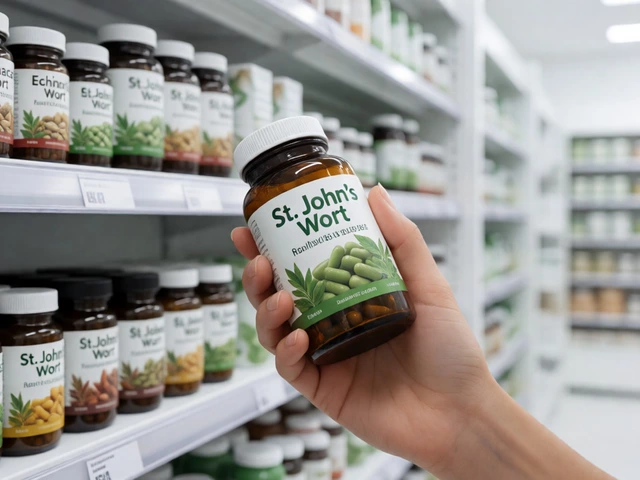
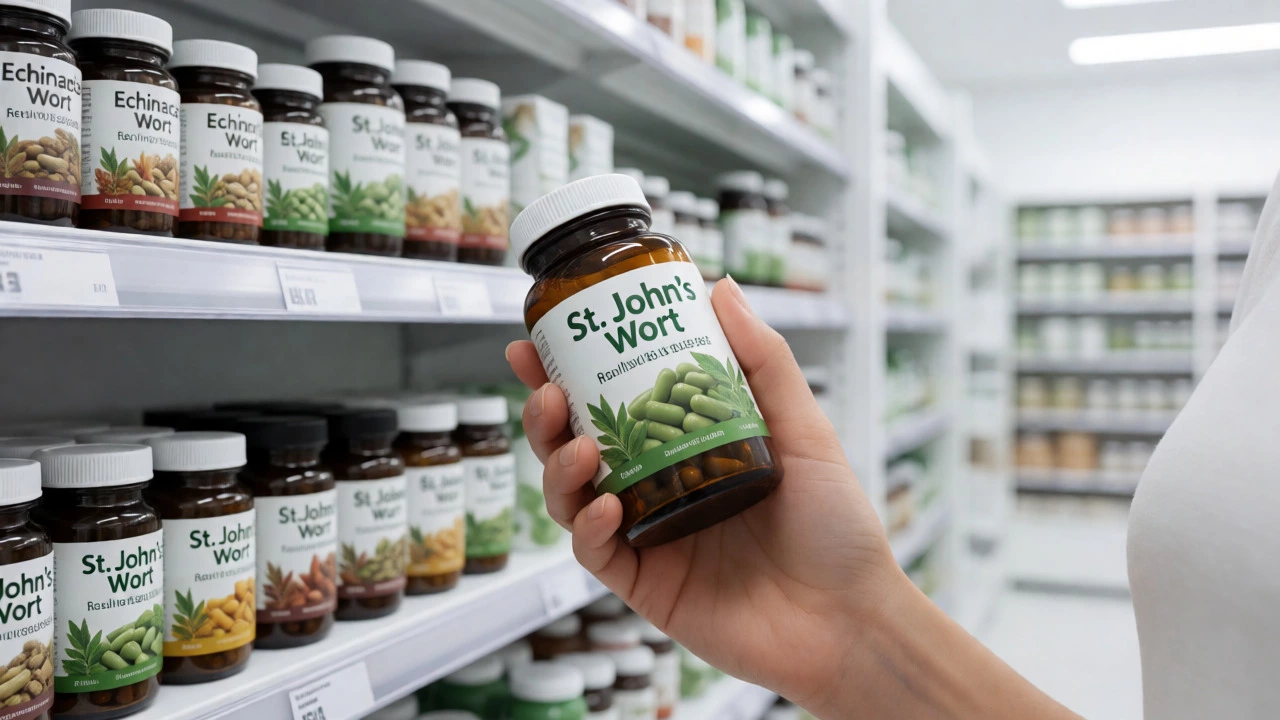
You probably walked into a health store, saw a bottle of St. John’s Wort or Echinacea, and thought, "It's natural, so it must be safe." That is the most dangerous myth in modern wellness. Just because a plant grew in the ground doesn't mean your body can handle its concentrated chemicals. In fact, herbal supplements are essentially unregulated drugs with no FDA pre-approval process to catch bad batches or hidden contaminants.
If you are taking prescription medication, pregnant, have a chronic condition, or are preparing for surgery, you need to pause before swallowing that capsule. The line between "healing herb" and "harmful toxin" is often just dosage and individual biology. This guide breaks down exactly who needs to steer clear of the herbal aisle, why certain plants clash with specific bodies, and how to stay safe without giving up on natural remedies entirely.
The Myth of "Natural Equals Safe"
We tend to view pharmaceuticals as harsh chemicals and herbs as gentle gifts from nature. But chemically speaking, many herbs contain potent active compounds that work similarly to synthetic drugs. For example, Ginkgo Biloba acts as a blood thinner, much like aspirin. If you take both together, you aren't doubling the benefit; you're doubling the risk of bleeding.
The problem isn't always the herb itself. It's the lack of standardization. One brand's "100mg Ginseng" might contain 50mg of active ginsenosides, while another contains 200mg. Without strict regulation, you never know exactly what you are getting. This variability makes predicting side effects difficult, especially for people with sensitive systems.
Pregnant and Breastfeeding Women
This is the big one. Many women assume that because they avoid alcohol and cigarettes during pregnancy, a cup of herbal tea or a vitamin pack is fine. Not necessarily. Some herbs stimulate uterine contractions or affect hormone levels, which can be risky during early pregnancy when the placenta isn't fully formed.
- Black Cohosh: Often used for menopause symptoms, but it can trigger contractions. Avoid it unless a midwife explicitly approves it.
- Blue Cohosh: Historically used to induce labor, but it carries risks of heart issues and toxicity.
- Saw Palmetto: Common for prostate health, but it affects hormones. Since fetal development relies on precise hormonal balance, it’s best avoided.
- High-Dose Vitamin C: While not an herb, high doses from herbal sources can sometimes cause gastrointestinal distress or kidney stones in susceptible individuals.
During breastfeeding, compounds pass through milk. Fenugreek is popular for boosting milk supply, but it can also cause gas and diarrhea in babies. Always consult your OB-GYN before starting any new herbal regimen while nursing.
People on Prescription Medications
Drug-herb interactions are real, documented, and sometimes life-threatening. Your liver processes both medications and herbs using the same enzyme pathways, primarily the Cytochrome P450 system. If an herb inhibits these enzymes, your medication stays in your bloodstream longer than intended, leading to overdose symptoms. If it induces them, the drug gets flushed out too fast, rendering it ineffective.
| Herb | Medication Type | Potential Risk |
|---|---|---|
| St. John’s Wort | Antidepressants (SSRIs) | Serotonin Syndrome (confusion, rapid heart rate) |
| Ginkgo Biloba | Blood Thinners (Warfarin) | Increased bleeding risk |
| Echinacea | Immunosuppressants | Reduced effectiveness of transplant meds |
| Garlic Extract | HIV Protease Inhibitors | Lowered drug levels in blood |
| Licorice Root | Blood Pressure Meds | Can raise blood pressure and lower potassium |
If you take daily prescriptions for blood pressure, diabetes, thyroid issues, or mental health, check with your pharmacist. They can run an interaction check faster than you can find a reliable article online.

Those Preparing for Surgery
Surgeons hate surprises. Many herbal supplements affect bleeding, anesthesia metabolism, and heart rhythm. If you don't stop taking them, you might face excessive bleeding during the procedure or wake up with unexpected complications.
The general rule is to stop all herbal supplements at least two weeks before scheduled surgery. This gives your body time to clear the active compounds. Herbs like Valerian Root and Kava can interact with sedatives and anesthetics, potentially causing prolonged drowsiness or respiratory depression. Blood-thinning herbs like Ginger, Turmeric, and Fish Oil (often grouped with supplements) can complicate clotting.
Individuals with Liver or Kidney Issues
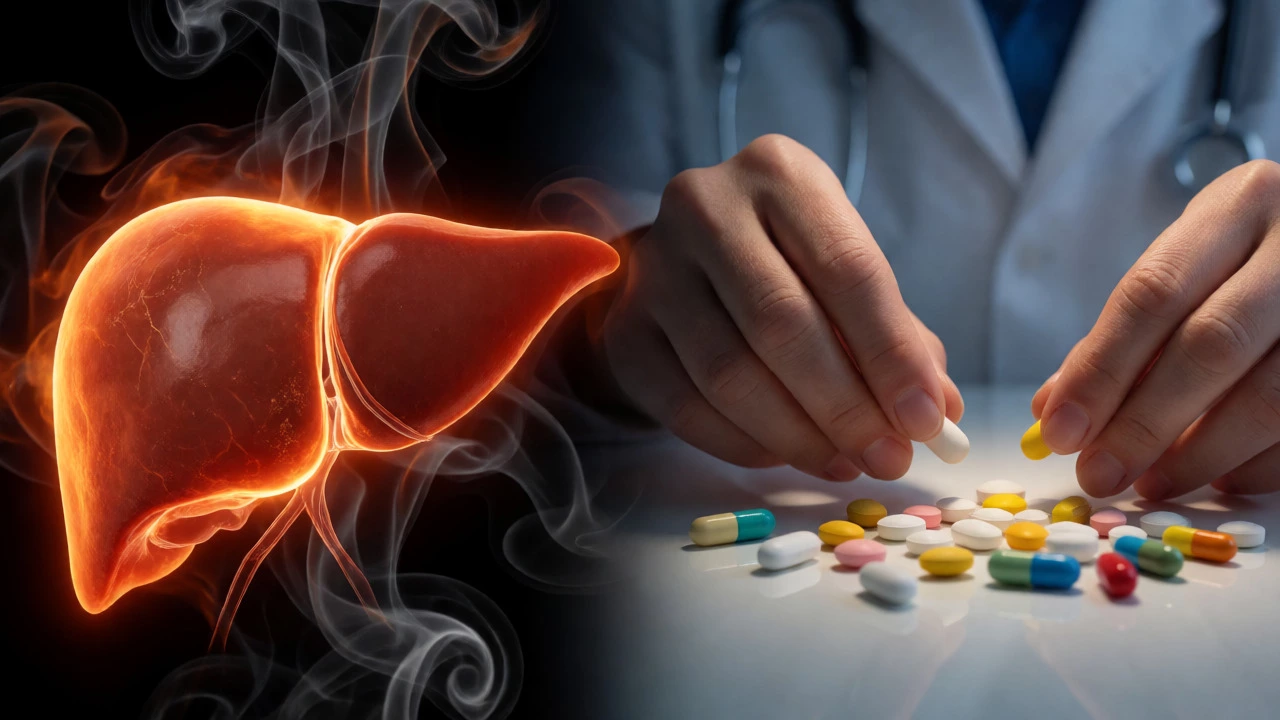
Your liver filters toxins. When you load it with concentrated herbal extracts, you increase its workload. For someone with healthy liver function, this is usually manageable. For someone with cirrhosis, hepatitis, or fatty liver disease, it can be overwhelming.
Cases of acute liver failure linked to herbal supplements are rare but serious. Green Tea Extract, particularly in high-dose weight-loss pills, has been implicated in several cases of hepatotoxicity. Similarly, Kava Kava was banned in some countries due to liver damage reports. If you have elevated liver enzymes, your doctor will likely tell you to skip the herbal aisle entirely until further notice.
Kidneys filter waste products. Some herbs, like Aristolochia (found in some traditional Chinese medicines), contain aristolochic acid, which is directly toxic to kidney tissue and can cause irreversible damage. Even common diuretics like Dandelion Root can strain kidneys if you already have reduced function.
Autoimmune Disease Patients
If you have Lupus, Rheumatoid Arthritis, Multiple Sclerosis, or Hashimoto’s thyroiditis, your immune system is already overactive. You want to calm it down, not rev it up. Yet, many popular "immune-boosting" herbs do exactly the opposite.
Echinacea stimulates white blood cell production. For someone fighting a cold, that’s great. For someone with Lupus, it can trigger a flare-up where the immune system attacks healthy joints or organs. Astragalus and Elderberry fall into this category too. Always prioritize immune-modulating herbs under professional supervision rather than blind stimulation.
How to Safely Use Herbal Supplements
Does this mean you should throw away every bottle in your cabinet? No. Millions of people use herbs safely every day. It just means being smarter about it.
- Talk to your healthcare provider: Bring a list of everything you take-vitamins, teas, powders, capsules. Be honest. They won’t judge you; they just want to keep you alive.
- Choose reputable brands: Look for seals from USP (United States Pharmacopeia), NSF International, or ConsumerLab. These third-party testers verify that the product actually contains what the label says and is free from heavy metals like lead or mercury.
- Start low and go slow: Don’t start five new herbs at once. Introduce one at a time and monitor how you feel for a week. If something goes wrong, you’ll know which culprit caused it.
- Read the labels carefully: Watch for proprietary blends. If a company hides the exact amount of each ingredient, you can’t track your intake accurately.
Remember, herbal medicine is powerful. It’s not magic, and it’s not harmless. Treat it with the same respect you’d give a prescription drug. Your body is unique, and what works for your friend might harm you. Stay informed, stay cautious, and listen to your body.
Are herbal supplements regulated by the FDA?
No, herbal supplements are classified as dietary supplements, not drugs. The FDA does not approve them for safety or efficacy before they hit the market. Manufacturers are responsible for ensuring their products are safe and properly labeled, but oversight happens mostly after problems arise.
Can I take herbal supplements with antibiotics?
It depends on the antibiotic. St. John’s Wort can reduce the effectiveness of certain antibiotics. Garlic may interfere with others. Always ask your pharmacist specifically about the combination you plan to use. Generally, probiotics are safer companions to antibiotics than herbal extracts.
Why did my doctor tell me to stop taking fish oil before surgery?
Fish oil has mild blood-thinning properties. Taking it close to surgery can increase bleeding time during the procedure. Most surgeons recommend stopping fish oil and other omega-3 supplements 7-14 days prior to operation to minimize this risk.
Is turmeric safe for everyone?
Turmeric is generally safe in culinary amounts. However, high-dose curcumin supplements can irritate the stomach, worsen gallbladder issues, and act as a blood thinner. People with bile duct obstruction or those on anticoagulants should avoid high-dose turmeric capsules.
What are signs of a bad reaction to an herbal supplement?
Watch for digestive upset (nausea, diarrhea), skin rashes, headaches, unusual fatigue, or changes in heart rate. If you experience severe abdominal pain, yellowing of skin/eyes (jaundice), or dark urine, stop immediately and seek medical attention, as these could signal liver stress.