
What Is the Hardest Part of IVF? Emotional, Physical, and Financial Challenges Explained
IVF Challenge & Cost Estimator
You sign up for In Vitro Fertilization (IVF) is a complex series of medical procedures aimed at achieving pregnancy by fertilizing an egg with sperm outside the body. expecting a straightforward path to parenthood. Instead, you find yourself navigating a maze of injections, appointments, and emotions that can feel overwhelming. If you are asking, "What is the hardest part of IVF?" you are not alone. The answer isn't just one thing; it is a combination of physical discomfort, emotional rollercoasters, and significant financial pressure.
The journey varies for everyone. For some, the physical pain of daily injections is the biggest hurdle. For others, the heartbreak of a negative test after weeks of hope is the true challenge. Understanding these facets helps you prepare mentally and physically, turning an unknown monster into a manageable set of tasks. Let’s break down the specific hurdles you might face during your treatment cycle.
The Emotional Rollercoaster: Hope vs. Fear
While the physical aspects of IVF are well-documented, the emotional impact of IVF is often cited as the most difficult component by patients worldwide. You are essentially placing your hopes into a laboratory dish, waiting for results that determine your future family structure. This creates a state of constant anxiety known as "fertility stress."
During the stimulation phase, every follicle count feels like a verdict. When the embryo transfer happens, the two-week wait begins. This period is psychologically grueling. You start interpreting every bodily sensation-a cramp, a headache, or even hunger-as a sign of success or failure. This hyper-vigilance drains your mental energy. Many couples report feeling isolated because their friends and family cannot fully understand the depth of this emotional investment. The fear of failure looms large, especially if you have undergone previous unsuccessful cycles. This emotional toll can strain relationships, requiring open communication and sometimes professional counseling to navigate effectively.
Physical Demands: Injections and Procedures
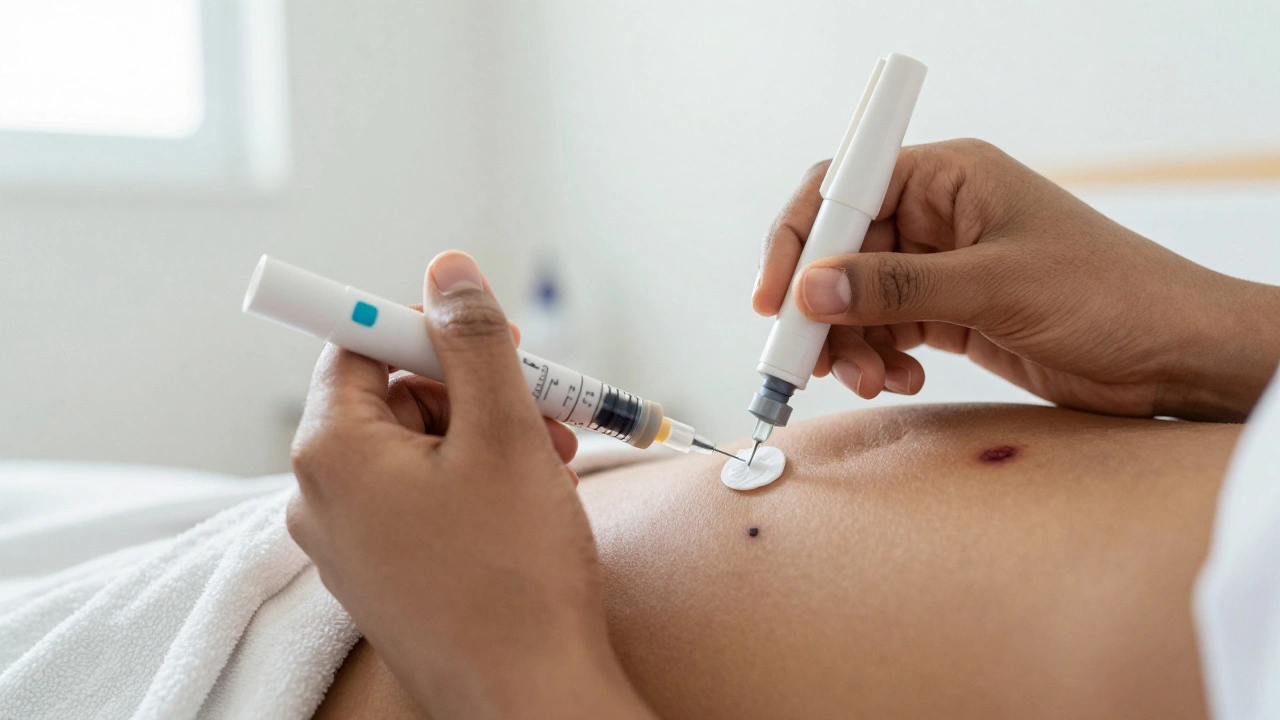
The physical aspect of IVF involves rigorous medication regimens and invasive procedures. Most protocols require daily self-administered injections of hormones like Follicle-Stimulating Hormone (FSH) is a medication used to stimulate the ovaries to produce multiple eggs. and luteinizing hormone. While modern needles are fine, injecting yourself twice a day for ten to fourteen days can be painful and inconvenient. Bruising, swelling, and soreness at the injection sites are common complaints.
Beyond injections, the procedure itself carries physical risks. Oocyte retrieval, where eggs are collected from the ovaries using a needle guided by ultrasound, is performed under sedation. However, recovery can involve bloating, pelvic pain, and nausea. A serious risk associated with ovarian stimulation is Ovarian Hyperstimulation Syndrome (OHSS) is a condition caused by the ovaries becoming swollen and irritated due to fertility medications. Mild OHSS causes abdominal discomfort and bloating, while severe cases can lead to rapid weight gain, shortness of breath, and hospitalization. Managing these physical symptoms while trying to maintain normal daily activities adds another layer of difficulty to the process.
Financial Strain: The Cost of Hope
In many countries, including the UK and the US, IVF is expensive and often not fully covered by insurance or national health services. A single cycle can cost anywhere from £5,000 to £15,000 depending on the clinic and additional treatments needed. When you factor in medication costs, genetic testing of embryos (PGT-A), and potential frozen embryo transfers, the total bill can skyrocket. This financial burden creates immense pressure. You are paying for hope, but there is no guarantee of success. The question of whether you can afford another cycle if this one fails weighs heavily on your mind. This economic stress can make the emotional hardship worse, creating a vicious cycle of worry about money and worry about the outcome.
The Two-Week Wait: Psychological Limbo
If the emotional rollercoaster has a peak, it is the two-week wait between embryo transfer and the pregnancy test. This period is characterized by uncertainty and lack of control. You cannot do anything to influence the outcome; you can only wait. This passivity is frustrating for people who are used to taking action. During this time, many patients experience heightened anxiety, sleep disturbances, and mood swings. The anticipation of the beta hCG blood test result is agonizing. A low number can cause panic, while a high number brings relief but also new worries about maintaining the pregnancy. This limbo state is often described as the hardest psychological barrier to overcome.

Impact on Relationships and Social Life
IVF does not happen in a vacuum. It affects your partner, your social circle, and your work life. Your relationship may become centered around the treatment schedule, leaving little room for intimacy or fun outside of fertility goals. Partners may cope differently-one might want to talk about it constantly, while the other shuts down-leading to misunderstandings. Socially, you may withdraw from events involving pregnant women or young children, which can lead to feelings of isolation. Work productivity may suffer due to frequent clinic visits and fatigue from medications. Navigating these social dynamics requires careful boundary setting and support from loved ones who understand the seriousness of your journey.
| Challenge Area | Key Symptoms/Issues | Coping Strategy |
|---|---|---|
| Emotional | Anxiety, depression, fear of failure | Counseling, support groups, mindfulness |
| Physical | Pain from injections, bloating, OHSS risk | Proper injection technique, rest, hydration |
| Financial | High costs, insurance gaps, debt stress | Budgeting, financing plans, grants |
| Social | Isolation, relationship strain, work absence | Open communication, setting boundaries |
Navigating the Hardest Parts: Practical Tips
Acknowledging these difficulties is the first step toward managing them. Here are some practical strategies to help you cope:
- Seek Professional Support: Consider seeing a therapist who specializes in fertility issues. They can provide tools to manage anxiety and depression.
- Join a Support Group: Connecting with others going through IVF reduces isolation. Sharing experiences validates your feelings and provides practical advice.
- Communicate with Your Partner: Schedule regular check-ins to discuss how you are both feeling. Avoid blaming each other for outcomes beyond your control.
- Plan Finances Early: Research all costs upfront. Look into financing options, grants, or clinics offering package deals to reduce surprise expenses.
- Prioritize Self-Care: Engage in gentle exercise, meditation, or hobbies that distract you from the treatment. Remember to live your life outside the clinic walls.
The hardest part of IVF is subjective, but recognizing the multifaceted nature of the challenge empowers you to prepare better. By addressing emotional, physical, financial, and social aspects proactively, you can navigate this journey with greater resilience and clarity.
Is IVF physically painful?
IVF involves some physical discomfort. Daily injections can cause bruising and soreness. The egg retrieval procedure is done under sedation, so you won't feel pain during it, but you may experience bloating, cramping, and nausea afterward. Severe pain is rare but should be reported to your doctor immediately as it could indicate OHSS.
How much does IVF cost in the UK?
In the UK, private IVF cycles typically range from £5,000 to £8,000 per attempt, excluding medication costs which can add another £1,000 to £2,000. Some NHS trusts offer funded cycles based on local criteria, such as age and BMI, but availability varies significantly by region.
Can IVF affect my mental health?
Yes, IVF can significantly impact mental health. Studies show higher rates of anxiety and depression among individuals undergoing fertility treatment. The stress of hormonal fluctuations, uncertainty of outcomes, and financial pressure contributes to this. Seeking professional mental health support is highly recommended.
What is the success rate of IVF?
Success rates vary widely based on age, cause of infertility, and clinic expertise. In the UK, the chance of having a baby after one IVF cycle is approximately 30% for women under 35, dropping to around 10% for women over 40. Multiple cycles may be needed to achieve pregnancy.
How long does the IVF process take?
A typical IVF cycle lasts about 6 to 8 weeks from start to finish. This includes initial testing, ovarian stimulation (10-14 days), egg retrieval, embryo culture (3-5 days), transfer, and the two-week wait for pregnancy testing. Additional time may be needed if freezing embryos or undergoing genetic testing.