Why Can't You Touch a Chemo Patient? Myths vs. Reality
Chemo Contact Safety Checker
Not sure if you should hug your friend after their chemo session? Select the treatment type and the activity you are considering to get instant safety guidance.
Select options above to see safety recommendations.
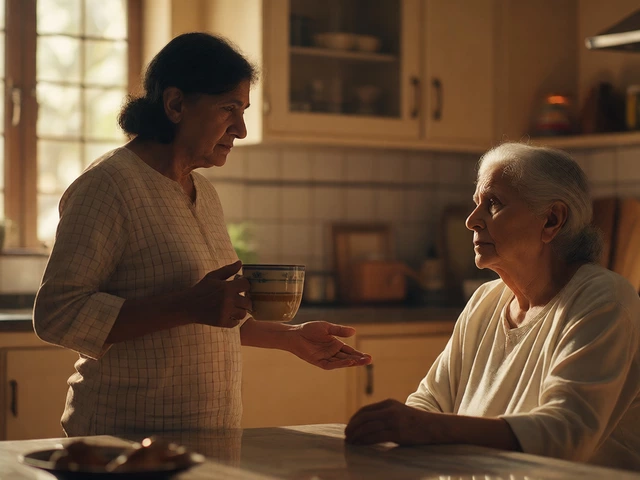
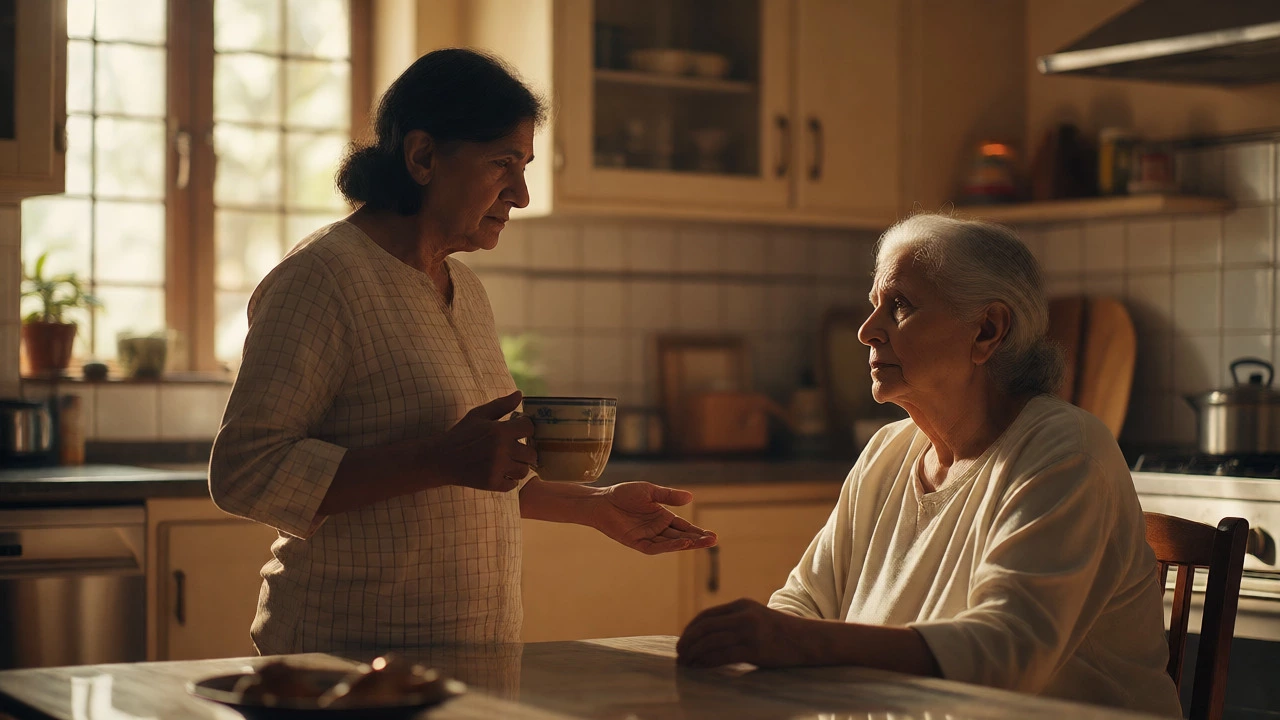
You’re standing in the kitchen, holding a mug of tea, watching your friend or family member look pale and tired after their latest chemotherapy session. You want to offer comfort. You want to hug them. But you hesitate. A nagging voice in the back of your head asks: Is it safe? Is there invisible poison on their skin? Will I get sick just by touching their hand?
This fear is incredibly common, but for most people undergoing standard chemotherapy, it’s based on a misunderstanding of how these drugs work. The reality is far less scary than the movies make it out to be. While there are specific situations where caution is needed, avoiding touch entirely can actually do more harm than good. Let’s clear up the confusion so you know exactly when to step back and when to lean in.
The Big Misconception: Chemotherapy vs. Radiation
The biggest source of confusion comes from mixing up two different types of cancer treatments: chemotherapy and radiation therapy. They sound similar to the untrained ear, but they operate on completely different physical principles.
Chemotherapy involves administering powerful drugs that travel through the bloodstream to kill fast-growing cells. These drugs are chemical compounds, not radioactive materials. Once the infusion is over, the drug is metabolized by the body and excreted primarily through urine, stool, vomit, and sweat. It does not make the patient "radioactive." You cannot catch cancer from someone else, and you certainly cannot catch "chemo" by shaking hands.
Radiation therapy, on the other hand, uses high-energy beams (like X-rays) to target tumors. In external beam radiation, the machine turns off, and the patient is no longer emitting energy. However, some specialized forms of radiation, known as brachytherapy or systemic radionuclide therapy, involve placing radioactive sources inside or near the tumor. This is where the rules change. If your loved one has undergone this specific type of treatment, temporary distance might be required. But for the vast majority of patients receiving IV or oral chemo, the risk of transmission via touch is virtually zero.
When Touch Is Actually Safe (and Needed)
For patients undergoing standard chemotherapy regimens like those using cisplatin, doxorubicin, or paclitaxel, normal physical contact is safe. Hugging, holding hands, kissing on the cheek, and sharing a bed are all perfectly fine activities. In fact, human connection is a critical part of recovery.
Isolation is a major side effect of cancer treatment. Patients often report feeling lonely or disconnected because well-meaning friends stop visiting or avoid physical contact due to fear. Studies suggest that social support significantly improves quality of life during treatment. When you pull away, you might inadvertently signal rejection rather than protection.
Think about it this way: if you shake hands with someone who has just taken a strong painkiller, do you worry the medicine will transfer to your skin? No. The same logic applies here. The medication is inside their system, working internally. Unless you are coming into direct contact with their bodily fluids immediately after administration, casual touch poses no health risk to you.

The Real Risk: Bodily Fluids and Excretion
While skin-to-skin contact is generally safe, there is a legitimate precaution regarding bodily fluids. For about 48 to 72 hours after a chemotherapy infusion, traces of the active drugs can be present in urine, feces, vomit, and sometimes sweat. This is called "body fluid precautions."
The concern isn’t that you’ll get cancer from touching their sweat. It’s that prolonged, unprotected exposure to concentrated chemo waste could potentially irritate your skin or cause minor adverse reactions, especially if you have open cuts or are pregnant. Most guidelines recommend flushing the toilet twice with the lid closed and washing hands thoroughly after helping a patient use the bathroom.
| Activity | Risk Level | Precaution Needed? |
|---|---|---|
| Hugging / Hand-holding | Negligible | No |
| Kissing on cheek/lips | Low | No (unless vomiting) |
| Sharing utensils/cups | Very Low | No |
| Cleaning up vomit/stool | Moderate | Yes (Gloves + Mask) |
| Handling laundry with spills | Low-Moderate | Yes (Gloves) |
Special Cases: When Distance Matters
Not all cancer treatments are created equal. There are specific scenarios where you should keep your distance, usually for a short period.
If the patient is undergoing systemic radionuclide therapy (such as Radioiodine-131 for thyroid cancer), they literally emit radiation. Hospitals will provide strict instructions on how long to stay away from children and pregnant women-often ranging from a few days to a week. During this window, sleeping in separate beds and limiting close face-to-face contact is standard protocol.
Similarly, if a patient is receiving high-dose chemotherapy followed by a stem cell transplant, their immune system is wiped out. Here, the danger isn’t that they will infect you; it’s that you might infect them. A simple cold virus from a visitor can be life-threatening for someone with neutropenia (low white blood cell count). In this case, the rule flips: wash your hands, wear a mask if you’re sniffly, and don’t visit if you’re sick.

Practical Hygiene Tips for Caregivers
If you are living with someone going through chemo, or helping care for them, you don’t need to treat them like a biohazard. Simple hygiene practices go a long way in reducing any minimal risk while maintaining dignity and closeness.
- Flush Twice: Always close the toilet lid before flushing. This prevents droplets containing trace drug residues from splashing onto surfaces. Flush twice to ensure everything goes down.
- Glove Up for Cleanup: If you need to clean up vomit, diarrhea, or urine, wear disposable gloves. Wash your hands thoroughly with soap and water afterward.
- Laundry Separation: If clothes are heavily soiled with body fluids, wash them separately in hot water. Regular loads mixed with family laundry are generally fine for lightly worn items.
- Hand Hygiene: Wash hands before eating and after touching the patient’s personal items. This protects both of you.
Remember, the goal is to reduce anxiety, not eliminate love. Over-sanitizing the relationship can create emotional distance that is harder to bridge than the physical gap.
Embracing the Human Connection
So, why can’t you touch a chemo patient? Usually, you can-and should. The barrier is psychological, not physiological. Fear stems from a lack of information. When you understand that chemotherapy drugs are cleared from the body quickly and don’t linger on the skin like a perfume, the hesitation fades.
Ask your loved one what they prefer. Some people feel nauseous and fragile and may not want hugs. Others crave the warmth of a hand on their shoulder. Communicate openly. Say, "I want to give you a hug, but I want to make sure you're comfortable." That simple question shows respect and care.
Don't let myths rob you of moments of connection. A handshake, a pat on the back, or a warm embrace can boost oxytocin levels, lower stress hormones, and remind the patient they are still whole, loved, and human-not just a medical case.
Can I kiss a person undergoing chemotherapy?
Yes, generally speaking. Standard chemotherapy drugs do not transfer through saliva or skin contact in amounts sufficient to affect another adult. Kissing on the cheek or lips is safe unless the patient is actively vomiting or has mouth sores that make kissing uncomfortable for them. If the patient is also receiving radiation therapy involving radioactive seeds, follow the specific doctor's advice, which may restrict kissing for a short time.
How long are chemo drugs in the body?
Most chemotherapy drugs are eliminated from the body within 48 to 72 hours after administration. During this window, small amounts may be present in urine, stool, vomit, and sweat. After three days, the risk of exposure to others through bodily fluids drops significantly. Always check with the oncology team for specific drug clearance times, as some agents stay longer.
Is it safe to share a bed with a chemo patient?
For standard chemotherapy, yes. Sharing a bed does not expose you to harmful levels of the drug. However, if the patient is experiencing night sweats, using protective sheets can help manage laundry. If the patient is undergoing radioiodine therapy or other radioactive treatments, you may need to sleep in separate rooms for a prescribed number of days to minimize radiation exposure.
What should I do if I come into contact with their urine?
Do not panic. Accidental splashback is unlikely to cause harm. Simply wash the affected area with soap and water. If you are pregnant or breastfeeding, try to avoid direct contact with fresh urine for the first 48 hours post-infusion as a precautionary measure. Wearing gloves when assisting with toileting is the best prevention.
Can children hug a grandparent on chemo?
Yes, children can hug grandparents on standard chemotherapy. The main concern with children is actually protecting the patient from germs, not vice versa. Ensure the child washes their hands before visiting. If the grandparent is very immunocompromised, limit visits from kids who are currently sick. Otherwise, affectionate contact is encouraged and beneficial for mental health.