
The 4 Core Principles of Ayurveda Explained Simply
Ayurvedic Dosha & Agni Self-Assessment
Question 1 of 10
Loading...
Primary Constitution:
Vata Score
Pitta Score
Kapha Score
Digestive Fire (Agni) Status
Recommendations
You’ve probably heard the term Ayurveda is an ancient Indian system of medicine that focuses on balance and prevention rather than just treating symptoms. It’s everywhere now-on Instagram, in wellness centers across London, and even in your local pharmacy. But if you ask someone to explain how it actually works, they might get stuck at "eat more turmeric." That’s a shame, because the logic behind Ayurveda is surprisingly structured. If you want to understand why your friend feels great after eating warm soup while you feel bloated, you need to grasp the four foundational pillars of this practice. These aren’t just random tips; they are the operating system for health according to this tradition. Once you see these connections, you’ll stop guessing what’s wrong with your digestion or energy levels and start making choices that actually fit your body.
The Five Elements: The Building Blocks of Reality
Before we talk about your body, we have to talk about the universe. Ayurveda starts with a big idea: everything in existence is made up of five elements, known as the Panchamahabhuta. These are Space (Akasha), Air (Vayu), Fire (Agni), Water (Jala), and Earth (Prithvi). This isn’t just philosophy. It’s a way to categorize physical properties. Think about it like this:
- Space provides the container. In your body, this looks like hollow organs, blood vessels, and the gut lumen.
- Air is movement. It’s your breath, your heartbeat, and the nerve impulses firing in your brain.
- Fire is transformation. This is your metabolism-the heat that turns food into energy.
- Water is cohesion. It’s your saliva, plasma, lymph, and the fluids that keep your joints lubricated.
- Earth is structure. Your bones, teeth, muscles, and skin provide the solid framework.
Doshas: Your Unique Biological Signature
The second principle translates those five elements into three functional energies called Doshas. You are not just one dosha; everyone has all three, but in different ratios. This ratio is your Prakriti, or natural state.
| Dosha | Primary Elements | Physical Traits | Mental Traits | When Imbalanced |
|---|---|---|---|---|
| Vata | Air + Space | Thin frame, dry skin, cold hands | Creative, anxious, quick learner | Insomnia, constipation, anxiety |
| Pitta | Fire + Water | Medium build, oily skin, sharp features | Focused, irritable, ambitious | Acidity, inflammation, anger |
| Kapha | Earth + Water | Large frame, smooth skin, strong stamina | Calm, loyal, steady | Lethargy, weight gain, congestion |

Agni: The Master Switch of Health
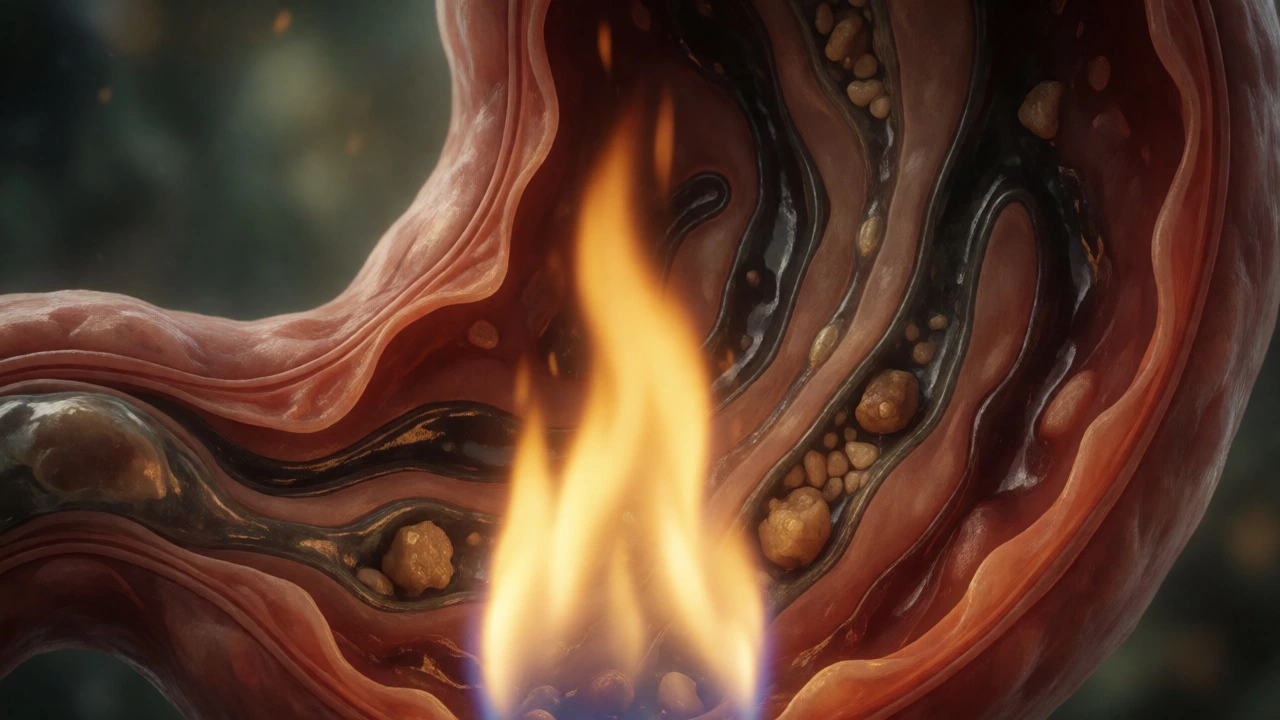
If doshas are your hardware, Agni is your software processor. Often translated simply as "digestive fire," Agni is much more than just stomach acid. It represents the metabolic intelligence that converts food into nutrients and thoughts into understanding. There are thirteen types of Agni in Ayurvedic texts, but the most critical one is Jatharagni, the digestive fire in the stomach. When Agni is balanced, you digest food completely, absorb nutrients efficiently, and eliminate waste cleanly. When Agni is weak, you don’t just get indigestion; you create toxins. Here is a simple self-check for your Agni:
- Balanced Agni: You feel hungry only when it’s time to eat. Food tastes good. You have regular, well-formed bowel movements. Energy is stable throughout the day.
- Weak Agni: You feel full quickly or never quite satisfied. You might experience bloating, gas, or loose stools. You often feel tired after meals (the "food coma").
- Irregular Agni: Hunger comes and goes unpredictably. You might crave spicy or salty foods intensely. Digestion is erratic-sometimes fine, sometimes painful.
Ama: The Root Cause of Disease
What happens when Agni fails? Enter Ama. Ama is undigested food residue that turns into a sticky, toxic substance. It’s not just poop sitting in your colon; it’s a systemic toxin that clogs channels (srotas) in the body.
Think of Ama like sludge in a car engine. If you don’t change the oil (digest properly), the sludge builds up, gums up the gears, and eventually causes the engine to seize. In humans, Ama manifests as:- A white coating on the tongue.
- A dull, heavy feeling in the body.
- Sticky or foul-smelling stool.
- Mental fog or lack of clarity.
- Joint pain or stiffness.
Putting It All Together: A Practical Example
Let’s say you have a Vata-dominant constitution (Air/Space). You tend to be thin, anxious, and prone to constipation. One winter, you start eating lots of raw kale salads and drinking iced green tea to "detox." 1. The Conflict: Raw, cold foods increase Vata (dry/cold qualities). Iced drinks dampen Agni (fire). 2. The Result: Your Agni weakens. You can’t fully digest the fibrous kale. 3. The Consequence: Undigested food becomes Ama. The Ama accumulates in your large intestine (a Vata site), causing severe constipation and bloating. 4. The Solution: Stop the raw salads. Switch to warm, soupy stews with ginger (to boost Agni) and ghee (to ground Vata). As Agni recovers, Ama clears, and your digestion normalizes.
This cycle shows why generic health advice fails. What heals one person harms another. By monitoring your dosha, protecting your Agni, and watching out for Ama, you take control of your health narrative.Quick Summary / Key Takeaways
- Panchamahabhuta: Understand that your body is composed of five elements (Space, Air, Fire, Water, Earth) to identify your elemental imbalances.
- Doshas: Know your unique mix of Vata, Pitta, and Kapha to tailor diet and lifestyle choices to your biological nature.
- Agni: Prioritize digestive fire. Weak digestion leads to poor nutrient absorption and fatigue, regardless of how healthy your food is.
- Ama: Recognize signs of toxicity (tongue coating, heaviness, brain fog) as the root cause of many chronic issues, not just isolated symptoms.
Can I have more than one dominant dosha?
Yes, absolutely. Most people are dual constitutions, such as Vata-Pitta or Kapha-Vata. This means you may exhibit traits of both energies. For example, a Vata-Pitta type might be creative and energetic (Vata) but also focused and prone to acidity (Pitta). Treatment strategies must balance both needs, often prioritizing whichever dosha is currently aggravated.
How do I know if my Agni is weak?
Common signs include feeling bloated after meals, having irregular hunger cues, experiencing gas or belching, and noticing a white or yellowish coating on your tongue. If you frequently feel tired immediately after eating, your Agni is likely too weak to process the food efficiently.
Is Ama the same as cholesterol?
Not exactly, though there is overlap. Ama is a broader concept of undigested metabolic waste that can affect any tissue channel. While modern medicine might link some Ama symptoms to plaque buildup or high lipids, Ama also refers to subtle blockages affecting mental clarity, hormonal balance, and immune response, which aren't captured by standard blood tests alone.
Do I need to follow a strict vegetarian diet?
No. Ayurveda emphasizes suitability over restriction. Meat can be beneficial for Vata types who need grounding protein and fat, provided it is fresh, ethically sourced, and easily digested. However, heavy meats should be avoided if your Agni is weak or if you have high Pitta inflammation. Listen to your body's ability to digest it.
How long does it take to clear Ama?
It depends on the depth of accumulation. Acute Ama (from a single bad meal) clears in a day or two with fasting or light eating. Chronic Ama, built up over years, may require weeks or months of consistent dietary changes, herbal support, and lifestyle adjustments to fully detoxify the tissues.