Who Cannot Take Metformin: Complete Safety Guide & Contraindications
Metformin Safety Suitability Checker
Patient Profile Inputs
Medical History Factors
Upcoming Procedures
Assessment Results
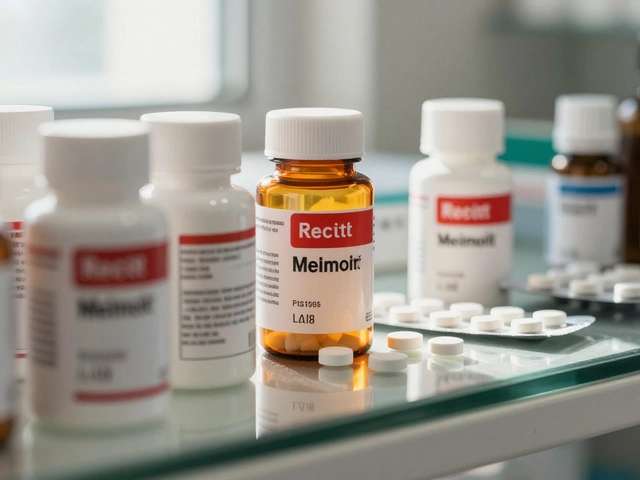
You get a prescription for Metformin because your doctor wants to lower your blood sugar. It is the gold standard for treating type 2 diabetes. However, this common pill isn’t safe for everyone. Some people face serious risks when taking this medication, even though it works well for others. Knowing who cannot take it saves lives.
We often think diabetes drugs affect only your blood sugar levels. That is not true. They pass through your body and rely on specific organs to work safely. If those organs struggle, the medicine can become dangerous instead of helpful. Today we will look at the exact conditions that stop you from taking this drug.
Understanding Metformin Basics
Metformin is a biguanide class drug used primarily to treat hyperglycemia associated with type 2 diabetes. Also known as Glucophage, it was first released in the 1950s and remains the most prescribed diabetes medication worldwide. The primary function is reducing glucose production in the liver and increasing insulin sensitivity.While many start their journey with this drug, you need to understand how your body handles it. Your kidneys filter out the drug after your liver processes some of it. If either organ slows down, the drug builds up in your blood. High levels lead to toxic side effects. Doctors run blood tests before starting treatment to check your clearance rates.
The Kidney Connection
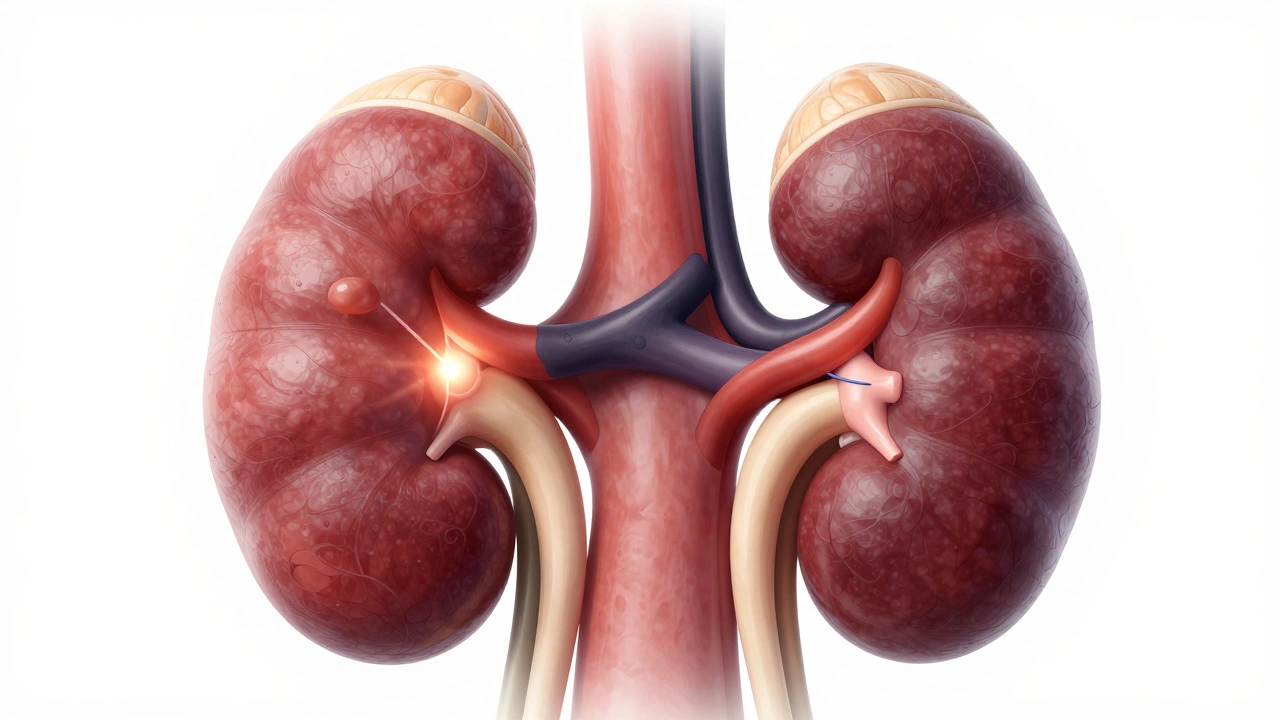
Your kidneys are the gatekeepers for Metformin elimination from the bloodstream via renal excretion. If you have kidney problems, the drug stays in your system longer than intended. This accumulation raises the risk of severe complications.
Doctors measure kidney function using a test called eGFR (estimated Glomerular Filtration Rate). The number tells them how hard your kidneys work. There are strict cut-off points for prescribing:
- eGFR above 60 mL/min: Safe to start and continue treatment.
- eGFR between 30 and 45 mL/min: Can use, but dose may need adjustment. Monitoring becomes essential.
- eGFR below 30 mL/min: Contraindicated. You generally cannot take it safely.
If you have Chronic Kidney Diseasea progressive loss of kidney function over time, often caused by diabetes or high blood pressure, your doctor watches this number closely. Even a slight drop below 30 means stopping immediately. Sometimes, kidney function fluctuates due to dehydration or infection. Temporary drops mean you pause the medication until levels recover.
Liver Health Matters
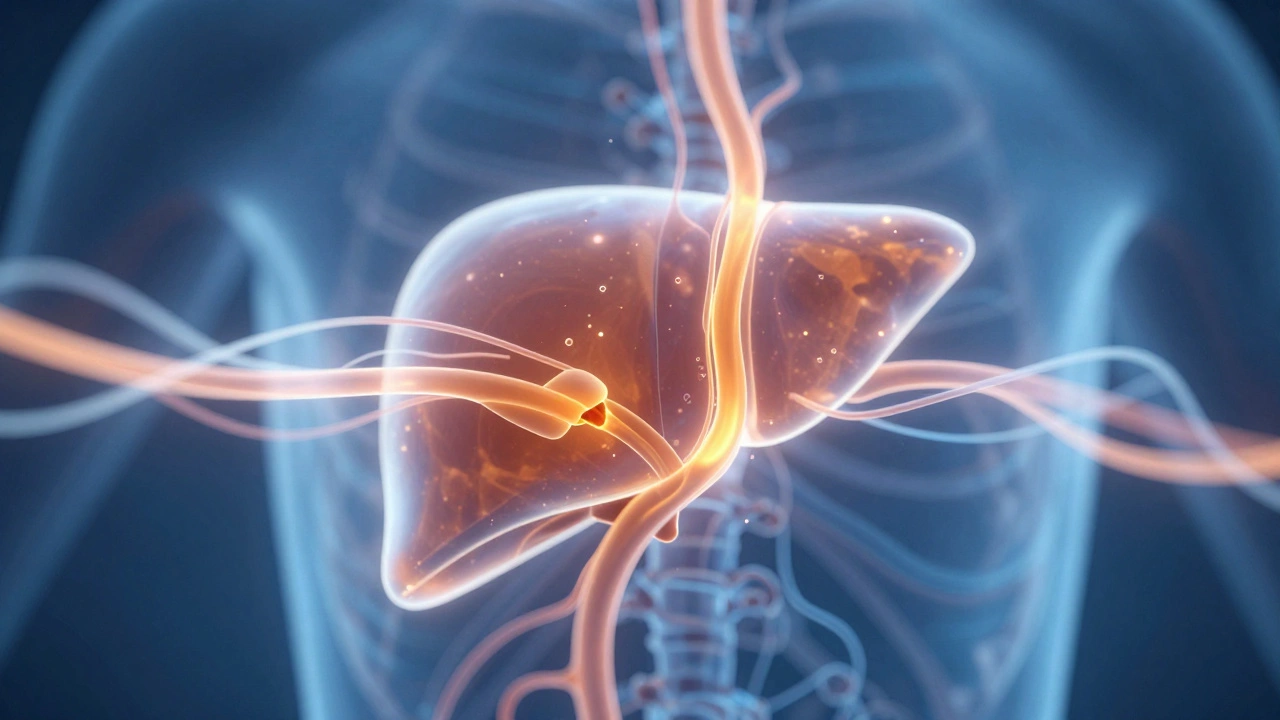
Kidneys aren’t the only concern. Your liver helps regulate metabolism. While Metformin doesn’t damage the liver directly, the liver plays a role in processing substances. Severe Liver Diseaseconditions such as cirrhosis or hepatitis that impair normal organ function creates problems.
If your liver fails to process nutrients correctly, you increase your risk of lactic acidosis. The liver clears lactate from the blood. When the liver is damaged, lactate builds up. Adding a drug that increases lactate production makes this worse. People with active alcoholic liver disease should never take this medication. Regular liver enzyme tests help doctors spot early signs of trouble.
The Risk of Lactic Acidosis
This is the most serious reason people avoid Metforminan oral antihyperglycemic agent. Lactic Acidosisa rare but life-threatening metabolic complication characterized by elevated blood lactate levels happens when too much lactic acid accumulates in your blood. It causes pH imbalance. Symptoms include deep breathing, confusion, stomach cramps, and feeling cold.
Who is actually at risk? Anyone with compromised oxygen delivery. If your tissues don’t get enough oxygen, they switch to anaerobic metabolism, producing lactate. Conditions contributing to this risk include heart failure, lung diseases like COPD, and smoking history. If you smoke heavily or have poor oxygen saturation, discuss alternatives with your care team.
Heart Failure and Oxygen Supply
Congestive Heart Failurea condition where the heart does not pump enough blood to meet the body's needs complicates things significantly. Unstable heart failure leads to poor kidney perfusion. If the heart pumps weakly, the kidneys receive less blood. Less blood to kidneys means worse filtration of the drug.
In the past, any heart failure meant avoiding the drug. Modern guidelines are slightly more flexible but still cautious. Decompensated heart failure is a hard stop. Stable heart failure managed with diuretics might be okay if kidneys work well. However, if you are on dialysis, you absolutely cannot take it. Dialysis removes toxins, but it also removes the drug unpredictably, making dosing impossible to manage safely.
Surgery and Medical Imaging
Sometimes you need a scan with contrast dye.
Procedure Type
Risk Factor
Action Required
Iodine Contrast Dye (CT Scan)
Acute Kidney Injury Risk
Stop 48 hours prior and resume after checking kidney function
MRI with Gadolinium
Nephrogenic Systemic Fibrosis (Rare)
Monitor kidney function; pause if eGFR is low
Major Surgery under Anesthesia
Hypotension and Low Oxygen
Stop 24 hours before; restart only after stable recovery
Contrast dyes used in X-rays or CT scans can cause temporary kidney stress. This stress reduces filtration speed. Because the kidneys are busy processing the dye, adding the diabetes drug overwhelms the system. Guidelines usually suggest pausing the medication two days before and two days after the procedure. Always inform the radiologist you are taking it.

Special Populations: Elderly and Pregnancy
Age changes how you handle medicine. Older adults often have slower natural kidney decline. A person aged 70 might have an eGFR of 50, which looks borderline. Doctors monitor them more frequently, perhaps every 3 months instead of once a year.
Pregnancy requires careful planning. While Type 2 Diabetesa condition characterized by insulin resistance leading to high blood sugar levels in pregnancy is manageable, Metformin is sometimes used off-label or for PCOS (Polycystic Ovary Syndrome). Generally, doctors prefer Insulin for gestational diabetes control because it does not cross the placenta easily. However, data suggests it is relatively safe in later stages. Breastfeeding women should consult their pediatrician, as traces appear in milk.
Drug Interactions and Alcohol
What you drink matters. Heavy alcohol consumption increases the risk of Lactic Acidosis. Alcohol interferes with liver metabolism. It prevents the liver from clearing lactate. If you binge drink while on this drug, you stack the odds against yourself. Even moderate drinking requires caution if you have underlying liver risks.
Certain antibiotics or diuretics can impact kidney flow too. Cimetidine, a common stomach medication, blocks the transport of the drug in the kidney, raising blood levels of Metformin unexpectedly. If you start a new medication, ask your pharmacist about interactions. They check databases for conflicts you might miss.
How to Recognize Warning Signs
Listening to your body saves you from hospital visits. Early signs of intolerance include persistent vomiting, diarrhea, or muscle pain. These mimic flu symptoms but feel heavier. If you wake up confused or breathe very fast, seek immediate emergency care.
Do not wait for blood results if you feel unwell. Go to the doctor. They can check lactate levels in minutes. Prevention is easier than reversal. Keep a log of your symptoms and share it during routine checkups.
Can I take Metformin if I drink alcohol occasionally?
Moderate occasional drinking is usually acceptable if kidney function is normal. However, heavy or frequent drinking increases the risk of lactic acidosis. Always consult your doctor regarding personal limits.
Does age alone stop me from taking this medication?
Age itself is not a contraindication. However, older patients often have lower kidney function. Doctors adjust doses based on eGFR results rather than age alone.
What happens if I take it with bad kidney function?
The drug builds up in your blood. This accumulation can lead to lactic acidosis, a life-threatening condition causing rapid breathing, fatigue, and death if untreated.
Is it safe to drive while on this medication?
Metformin rarely causes hypoglycemia on its own, so driving is typically safe. If combined with other drugs like sulfonylureas, risk of low blood sugar increases, which affects driving ability.
Do I need to stop Metformin before having a surgery?
Yes, usually 24 to 48 hours before any elective surgery involving anesthesia or contrast dye. Restart it only when the doctor confirms kidney stability after the procedure.