What is the Safest Surgery Ever? Risks, Statistics, and Heart Procedures Explained
Surgical Risk Estimator
Configure Patient Profile
Risk Analysis
Estimated Mortality Rate
Recovery Expectation:
Same day discharge or overnight stay.
We often hear that every surgery carries risk. But does that mean some are safer than others? Absolutely. In fact, if you look at the data from major health organizations like the National Health Service (NHS) in the UK or the Centers for Disease Control (CDC) in the US, certain procedures have mortality rates so low they barely register on statistical charts.
So, what is the safest surgery ever performed? The answer isn't a single operation but rather a category of very specific, routine interventions. While complex cardiac bypass surgery saves lives, it carries significant weight. The title of "safest" usually goes to simple, superficial procedures performed under local anesthesia. Think cataract removal or minor skin biopsies. These operations have complication rates well below 1%.
Defining Safety in Surgical Terms
To understand which surgery is the safest, we first need to define what "safe" means in a medical context. It’s not just about surviving the operation. It involves three key metrics: mortality rate (death during or shortly after surgery), morbidity rate (complications like infection or bleeding), and recovery time.
When surgeons evaluate risk, they use tools like the American Society of Anesthesiologists (ASA) Physical Status Classification System. This system grades patients from ASA I (healthy) to ASA VI (brain-dead organ donor). A healthy person getting a simple procedure has an incredibly low risk profile. However, even the safest surgery can become risky if the patient has underlying conditions like uncontrolled diabetes or severe heart disease.
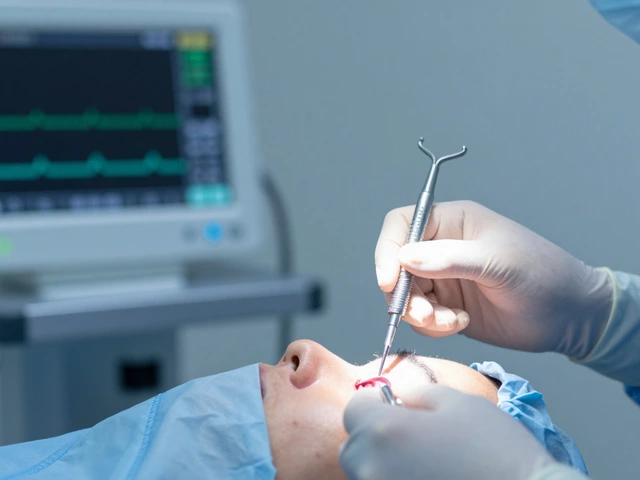
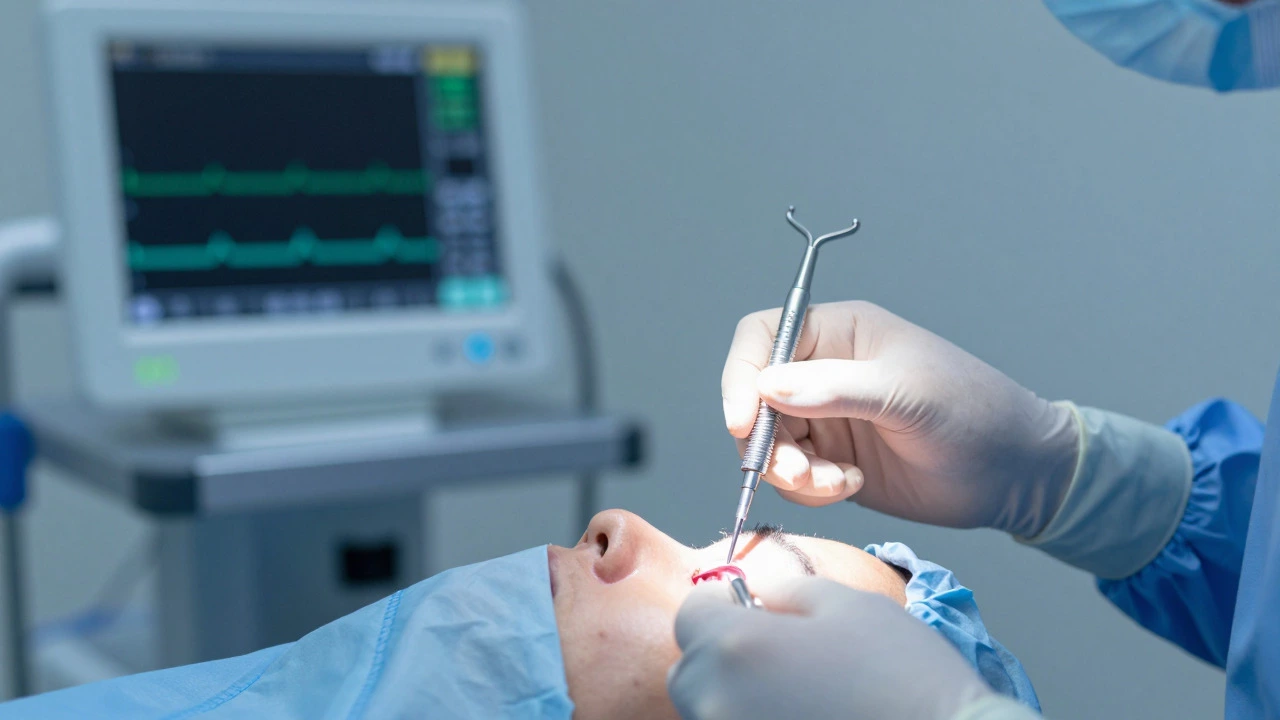
Safety also depends heavily on the type of anesthesia used. General anesthesia puts your whole body to sleep and requires intubation, which carries its own set of risks. Local anesthesia numbs only a small area, keeping you awake and avoiding systemic stress on your organs. This is why procedures using local anesthesia consistently rank as the safest.
The Contenders for Safest Surgery
If we look at volume and outcome data, a few procedures stand out as having near-zero mortality rates when performed on healthy individuals.
- Cataract Surgery: This is arguably the most common elective surgery worldwide. With modern phacoemulsification techniques, the success rate is over 98%. Complications are rare, and patients often go home the same day.
- Skin Biopsy or Excision: Removing a mole or checking a suspicious spot on the skin is quick, done under local numbing cream or injection, and heals rapidly.
- Endoscopy with Polypectomy: While technically a diagnostic tool, removing polyps during a colonoscopy is minimally invasive and has a very low risk profile compared to abdominal surgeries.
- Tonsillectomy (in children): Though it sounds major, this routine childhood procedure has extremely low mortality rates in developed healthcare systems.
Among these, cataract surgery often takes the crown for being the "safest" because it is so standardized. Surgeons perform millions of them annually. The learning curve is flat, and the technology is mature. You aren’t opening up the chest cavity or entering the bloodstream extensively; you are working within the eye’s controlled environment.
Heart Surgery: Is It Safe?
Since our focus includes heart surgery, let’s address the elephant in the room. Cardiac procedures are life-saving, but are they safe? Compared to a skin biopsy, no. But compared to open-heart surgery twenty years ago? Yes, much more so.
Modern coronary artery bypass grafting (CABG) has a mortality rate of around 1-2% in experienced centers for standard cases. That might sound high compared to cataract surgery, but consider the alternative: untreated blocked arteries leading to fatal heart attacks. For patients with critical blockages, the surgery is the safer option overall.
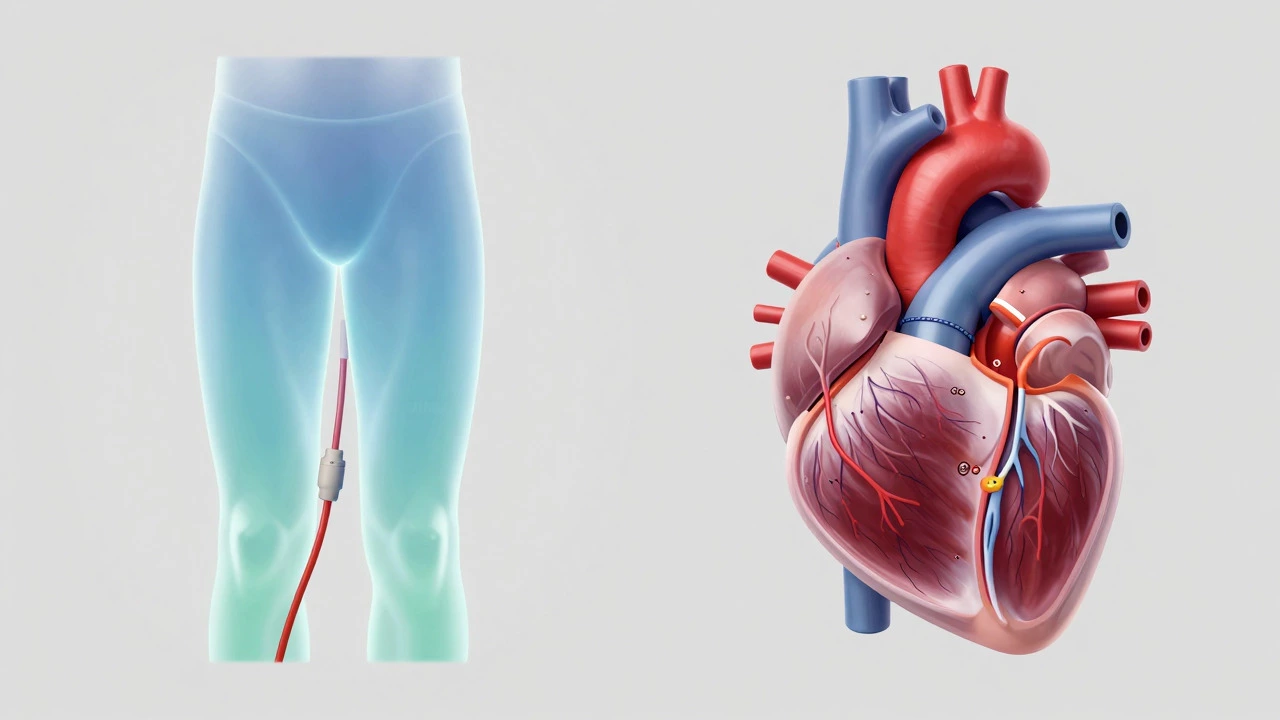
However, newer techniques have changed the landscape. Transcatheter Aortic Valve Replacement (TAVR) allows doctors to replace a heart valve through a catheter inserted in the leg, without opening the chest. This minimally invasive approach significantly reduces recovery time and complications compared to traditional open-heart valve replacement. TAVR has made heart valve surgery accessible to older, frailer patients who previously couldn’t survive general anesthesia.
Even within cardiac care, Percutaneous Coronary Intervention (PCI), commonly known as angioplasty, is far less invasive than bypass surgery. A balloon and stent are pushed through an artery to open a blockage. The risk here is lower, and recovery is measured in days, not weeks.
| Procedure Type | Anesthesia Used | Average Mortality Rate* | Recovery Time |
|---|---|---|---|
| Cataract Removal | Local | <0.01% | Days |
| Skin Biopsy | Local | Negligible | Weeks |
| Angioplasty (PCI) | Local/Sedation | <1% | Days |
| Coronary Bypass (CABG) | General | 1-2% | Months |
| Open Heart Valve Repair | General | 2-5% | Months |
Why Context Changes the Answer
You might wonder why there isn’t one single "safest" surgery for everyone. The reason is individual variability. A 25-year-old athlete getting their appendix removed faces almost zero risk. A 75-year-old smoker with lung disease facing the same emergency surgery faces a much higher risk of pneumonia or heart strain during recovery.
This is where pre-operative assessment comes in. Doctors don’t just look at the surgery; they look at the patient. They check blood pressure, kidney function, and lung capacity. If a patient is optimized before going under the knife, even a moderately risky surgery becomes safer.
Another factor is the surgeon’s experience. Studies consistently show that hospitals performing high volumes of specific surgeries have better outcomes. This is known as the "volume-outcome relationship." If you need heart surgery, going to a specialized cardiac center reduces your risk significantly compared to a general hospital that only performs a few such cases a year.
The Role of Technology in Reducing Risk
Technology plays a huge role in making surgeries safer today than they were decades ago. Robotic-assisted surgery, like the da Vinci Surgical System, allows for precision that human hands alone cannot achieve. Smaller incisions mean less pain, lower infection risk, and faster healing.
Advanced imaging, such as intraoperative MRI or CT scans, lets surgeons see exactly what they are doing in real-time. This reduces the chance of damaging nearby nerves or tissues. In heart surgery, minimally invasive techniques allow surgeons to operate through small gaps between ribs rather than splitting the sternum, drastically reducing trauma to the body.
Furthermore, improvements in anesthesia monitoring have reduced complications related to breathing and heart rhythm during surgery. Modern anesthetic machines track oxygen levels, carbon dioxide, and blood pressure continuously, alerting the team instantly if something goes wrong.

Mitigating Risks: What Patients Can Do
While you can’t choose the inherent risk of the procedure itself, you can influence your personal safety. Here are practical steps to take before any surgery:
- Quit Smoking: Even stopping two weeks before surgery improves lung function and wound healing.
- Manage Chronic Conditions: Keep blood sugar and blood pressure under control. Unstable diabetes increases infection risk significantly.
- Disclose All Medications: Some supplements and over-the-counter drugs increase bleeding risk. Tell your doctor everything you take.
- Ask About Antibiotic Prophylaxis: For certain surgeries, preventive antibiotics reduce infection rates. Ask if this applies to you.
- Choose the Right Facility: Look for accredited hospitals with high-volume experience in your specific procedure.
Communication is key. Don’t be afraid to ask your surgeon, "How many of these have you done?" or "What is the complication rate at this hospital?" Most doctors appreciate informed patients and will give you honest answers.
Conclusion on Surgical Safety
So, back to the original question: What is the safest surgery ever? Statistically, it’s a simple cataract removal or a minor skin excision under local anesthesia. These procedures have negligible mortality rates and quick recoveries. However, "safest" is relative. For someone with a failing heart valve, a TAVR procedure is the safest path forward, even though it carries more risk than a biopsy.
Understanding the balance between risk and benefit is crucial. Medicine isn’t about eliminating all risk-it’s about managing it effectively. With modern technology, skilled surgeons, and proper patient preparation, even complex heart surgeries have become remarkably safe endeavors that extend and improve lives.
Is cataract surgery really the safest?
Yes, cataract surgery is widely considered one of the safest procedures due to its high success rate (>98%), use of local anesthesia, and minimal invasiveness. Complications are rare and usually minor.
What makes heart surgery risky?
Heart surgery involves general anesthesia, opening the chest cavity, and manipulating vital organs. Risks include infection, bleeding, stroke, and heart rhythm disturbances. However, minimally invasive options like TAVR are reducing these risks.
Can I reduce my surgical risk?
Absolutely. Quitting smoking, controlling chronic diseases like diabetes, staying hydrated, and choosing an experienced surgeon and high-volume hospital all significantly lower your personal risk profile.
Is local anesthesia safer than general?
Generally, yes. Local anesthesia affects only a small area and avoids the systemic stress of putting the entire body to sleep. It eliminates risks associated with intubation and airway management.
What is TAVR and why is it safer?
TAVR (Transcatheter Aortic Valve Replacement) replaces a heart valve via a catheter in the leg, avoiding open-chest surgery. It results in less pain, shorter hospital stays, and lower complication rates for eligible patients.