What Is the Safest Diabetic Medication? A Guide to Low-Risk Options
Diabetes Medication Safety & Profile Checker
Select Your Primary Health Concern:
Choose the factor most important to you regarding medication safety.
Important Context
While this tool highlights general safety profiles based on current medical guidelines, individual physiology varies. For example, Metformin is generally safe but requires healthy kidneys. Always consult your healthcare provider before making changes to your regimen.
Select a concern to begin
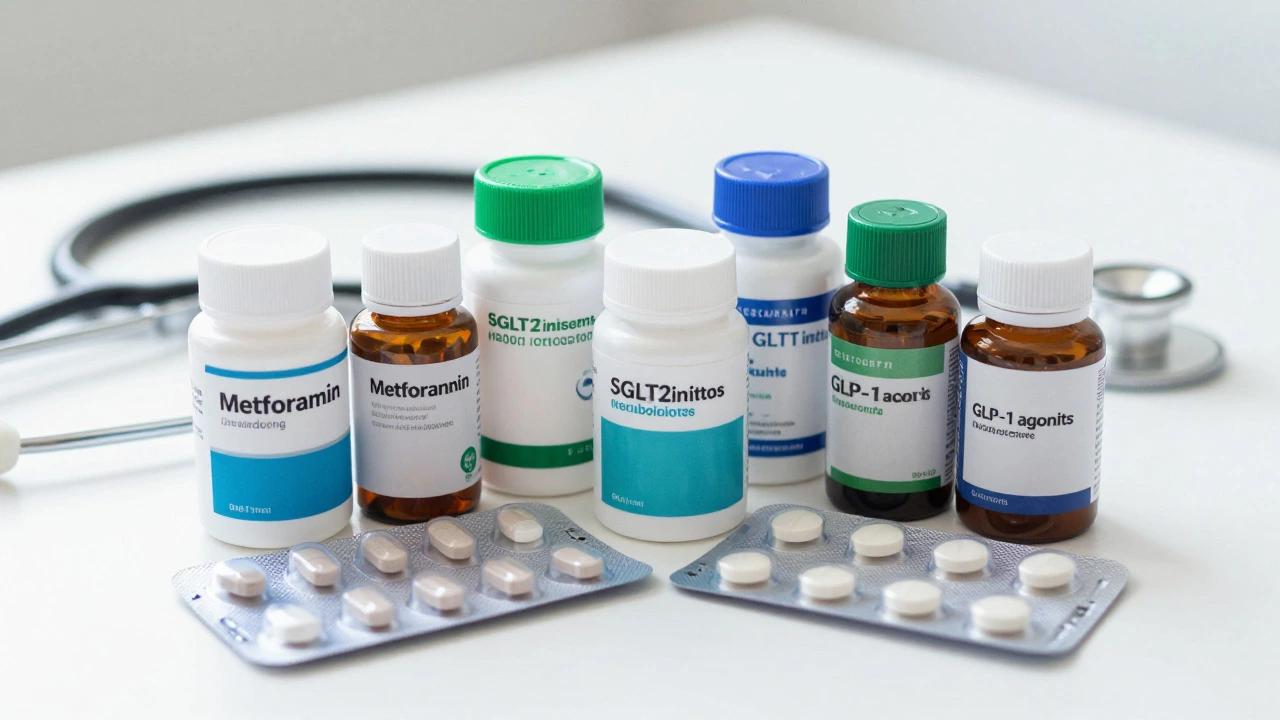
Compare safety profiles of Metformin, SGLT2 Inhibitors, GLP-1 Agonists, Sulfonylureas, and Insulin.
There is no single "safest" pill for everyone with type 2 diabetes. Safety depends on your heart health, kidney function, weight goals, and risk of low blood sugar. However, modern guidelines from major health organizations have shifted away from looking at blood sugar control in isolation. Today, doctors prioritize medications that protect your heart and kidneys while keeping glucose levels stable.
If you are worried about hypoglycemia (dangerously low blood sugar) or organ damage, newer classes of drugs like SGLT2 inhibitors and medications that mimic gut hormones to lower blood sugar and aid weight loss often rank higher in safety profiles than older options like sulfonylureas. But "safe" also means effective for *you*. Let’s break down which medications carry the lowest risks for specific health scenarios.
The Gold Standard: Why Metformin Remains a Top Choice
For decades, Metformin has been the first-line medication prescribed for most people newly diagnosed with type 2 diabetes due to its efficacy, low cost, and long track record of safety. It works by reducing the amount of glucose produced by your liver and improving how your body uses insulin.
Why do doctors still trust it? Unlike many other diabetes drugs, metformin rarely causes hypoglycemia when used alone. It doesn’t cause weight gain-in fact, some people lose a few pounds. It has been studied for over 50 years, meaning we know exactly what to expect regarding long-term side effects. The most common issue is digestive upset, such as diarrhea or nausea, but this usually fades after a few weeks or can be managed by taking the drug with food or switching to an extended-release version.
However, it isn’t perfect. If you have severe kidney disease, metformin might not be safe because it can lead to a rare condition called lactic acidosis. In these cases, doctors will look elsewhere. For the average patient with healthy kidneys and no contraindications, though, it remains one of the safest starting points.
Heart and Kidney Protection: The New Safety Frontier
The definition of "safe" has evolved. A drug that lowers blood sugar but damages your heart or kidneys is no longer considered safe. This shift has elevated two classes of medications to the forefront of treatment plans, especially for patients with existing cardiovascular issues or chronic kidney disease.
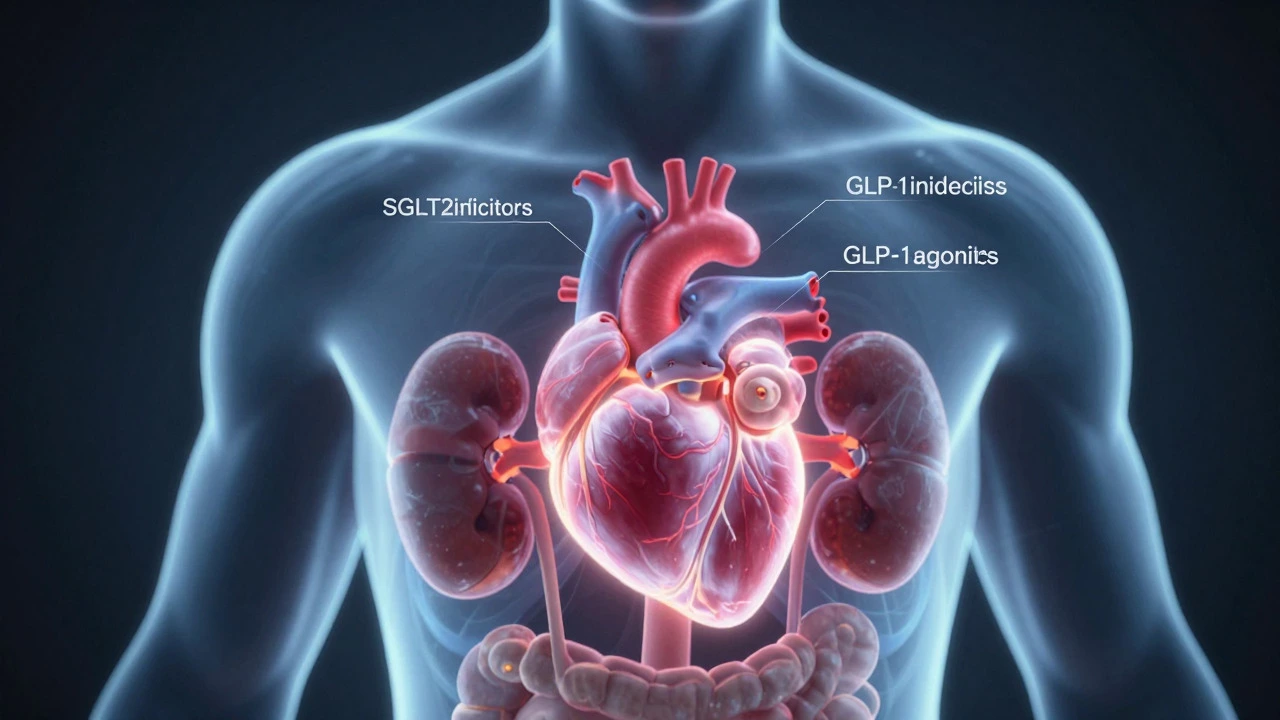
SGLT2 inhibitors, such as empagliflozin and dapagliflozin, work by causing your kidneys to remove sugar from your body through urine. They have shown remarkable benefits beyond glucose control. Clinical trials have proven they reduce the risk of hospitalization for heart failure and slow the progression of kidney disease. Because they do not typically cause low blood sugar and promote modest weight loss, they are often viewed as very safe for long-term use in patients with heart or kidney concerns.
Similarly, GLP-1 receptor agonists like semaglutide and liraglutide mimic a hormone that helps regulate blood sugar. These injectable medications are highly effective at lowering A1C levels and promoting significant weight loss. Importantly, large studies have demonstrated they reduce the risk of heart attack and stroke in people with type 2 diabetes and established heart disease. Their safety profile is strong, though gastrointestinal side effects like nausea are common initially.
Medications to Approach with Caution
Not all diabetes medications are created equal when it comes to risk. Some older classes of drugs are less favored today because they carry higher risks of adverse events.
- Sulfonylureas: Drugs like glipizide and glyburide stimulate the pancreas to release more insulin. While cheap and effective, they carry a high risk of hypoglycemia. For elderly patients or those with irregular eating habits, this can be dangerous, leading to falls or confusion. They may also cause weight gain.
- Thiazolidinediones (TZDs): Pioglitazone improves insulin sensitivity but can cause fluid retention, which worsens heart failure. It has also been linked to bone fractures in some studies. It is generally avoided in patients with active bladder cancer or severe heart issues.
- DPP-4 inhibitors: Sitagliptin and saxagliptin are neutral in terms of weight and hypoglycemia risk, making them relatively safe. However, they offer fewer cardiovascular benefits compared to SGLT2 inhibitors or GLP-1 agonists. Saxagliptin, specifically, has a warning regarding heart failure risk in certain populations.
Comparing Safety Profiles: A Quick Reference
| Medication Class | Hypoglycemia Risk | Weight Effect | Cardiovascular Benefit | Key Safety Concerns |
|---|---|---|---|---|
| Metformin | Low | Neutral/Slight Loss | Neutral | Kidney function required; GI upset |
| SGLT2 Inhibitors | Very Low | Loss | High (Heart/Kidney) | Genital yeast infections; UTIs |
| GLP-1 Agonists | Low | Significant Loss | High (Stroke/Heart Attack) | Nausea; Rare thyroid C-cell tumors (rodent data) |
| Sulfonylureas | High | Gain | Neutral/Negative | Hypoglycemia; Weight gain |
| Insulin | High | Gain | Neutral | Hypoglycemia; Injection burden |
Who Should Avoid Which Medications?
Safety is personal. What is safe for a young, active person might be risky for an elderly patient with multiple conditions. Here is how to match safety to your profile:
If you have Heart Failure: Avoid thiazolidinediones (like pioglitazone). Instead, ask about SGLT2 inhibitors, which are now standard care for protecting the heart and kidneys in diabetic patients.
If You Are Prone to Low Blood Sugar: Stay away from sulfonylureas and insulin if possible. Metformin, DPP-4 inhibitors, SGLT2 inhibitors, and GLP-1 agonists have minimal risk of dropping your blood sugar too low when used without insulin.
If You Have Chronic Kidney Disease: Metformin needs dose adjustments or discontinuation if kidney function drops significantly. SGLT2 inhibitors are actually protective for kidneys but must be started carefully. GLP-1 agonists are generally safe across various stages of kidney disease.
If You Are Pregnant: Most oral diabetes medications are not recommended. Insulin remains the gold standard for safety during pregnancy. Metformin is sometimes used off-label but requires strict doctor supervision.

The Role of Lifestyle in Medication Safety
No medication is truly safe if it allows you to neglect lifestyle factors that drive the disease. Diet and exercise amplify the safety of your meds. For example, if you take an SGLT2 inhibitor, staying hydrated reduces the risk of dehydration and urinary tract infections. If you take metformin, a balanced diet minimizes stomach upset.
Furthermore, losing even 5-10% of your body weight through diet and movement can improve insulin sensitivity so much that you might need lower doses of medication, thereby reducing exposure to potential side effects. Think of medication as a tool to support your lifestyle, not replace it.
Frequently Asked Questions
Is metformin safe for long-term use?
Yes, metformin is widely considered safe for long-term use. It has been used for over 60 years. The main long-term concern is vitamin B12 deficiency, which can occur in some users. Doctors typically recommend checking B12 levels periodically if you stay on metformin for many years. As long as your kidney function remains stable, it is a very reliable option.
Which diabetes medication has the least side effects?
DPP-4 inhibitors (like sitagliptin) and SGLT2 inhibitors are often cited as having mild side effect profiles. DPP-4 inhibitors are generally well-tolerated with few gastrointestinal issues. SGLT2 inhibitors can cause genital yeast infections or urinary tract infections, but these are usually easily treated. Metformin is also well-tolerated once the initial digestive adjustment period passes.
Can diabetes medications damage my kidneys?
Most modern diabetes medications do not damage kidneys; in fact, SGLT2 inhibitors and GLP-1 agonists protect them. Metformin does not harm kidneys but needs to be stopped if kidney function declines severely to prevent a rare complication called lactic acidosis. Always have your eGFR (estimated glomerular filtration rate) checked annually to ensure your current meds are appropriate for your kidney health.
Are natural supplements safer than prescription drugs?
Not necessarily. While supplements like berberine or cinnamon may have mild effects on blood sugar, they are not regulated as strictly as pharmaceuticals. "Natural" does not mean "risk-free." Supplements can interact with prescription drugs, affecting their safety. Always consult your doctor before adding supplements, as they may alter how your prescribed medication works.
What should I do if I experience side effects from my diabetes medication?
Do not stop taking your medication abruptly without talking to your doctor. Mild side effects like nausea with metformin or GLP-1s often subside within a few weeks. If side effects persist or are severe (such as signs of an allergic reaction, extreme fatigue, or persistent vomiting), contact your healthcare provider immediately. They may adjust the dose, switch the time of day you take it, or change the medication entirely.
Is insulin safe for type 2 diabetes?
Insulin is safe and life-saving when needed, but it carries a higher risk of hypoglycemia and weight gain compared to oral medications. It is typically introduced when other medications fail to control blood sugar or if beta-cell function declines significantly. With proper education on dosing and monitoring, insulin can be used safely and effectively.