What Are Some Examples of Herbal Supplements? Common Types and How They’re Used
Herbal Supplement Finder
Herbal supplements aren’t new. People have used plants for healing for thousands of years. Today, millions turn to them for everyday health support-not as replacements for medicine, but as daily tools to feel better. If you’ve ever wondered what herbal supplements actually look like in real life, here are some of the most common ones, how people use them, and what science says about them.
Echinacea
Echinacea comes from the purple coneflower plant, native to North America. It’s one of the most popular herbal supplements in the U.S. and Europe. People take it at the first sign of a cold, hoping to shorten its length or reduce symptoms like sore throat and runny nose. Studies show mixed results, but some trials found that taking echinacea within 24 hours of feeling sick might cut the duration by about a day. It’s usually sold as capsules, liquid extracts, or teas. Don’t take it daily for months-long-term use may reduce its effectiveness.
Ashwagandha
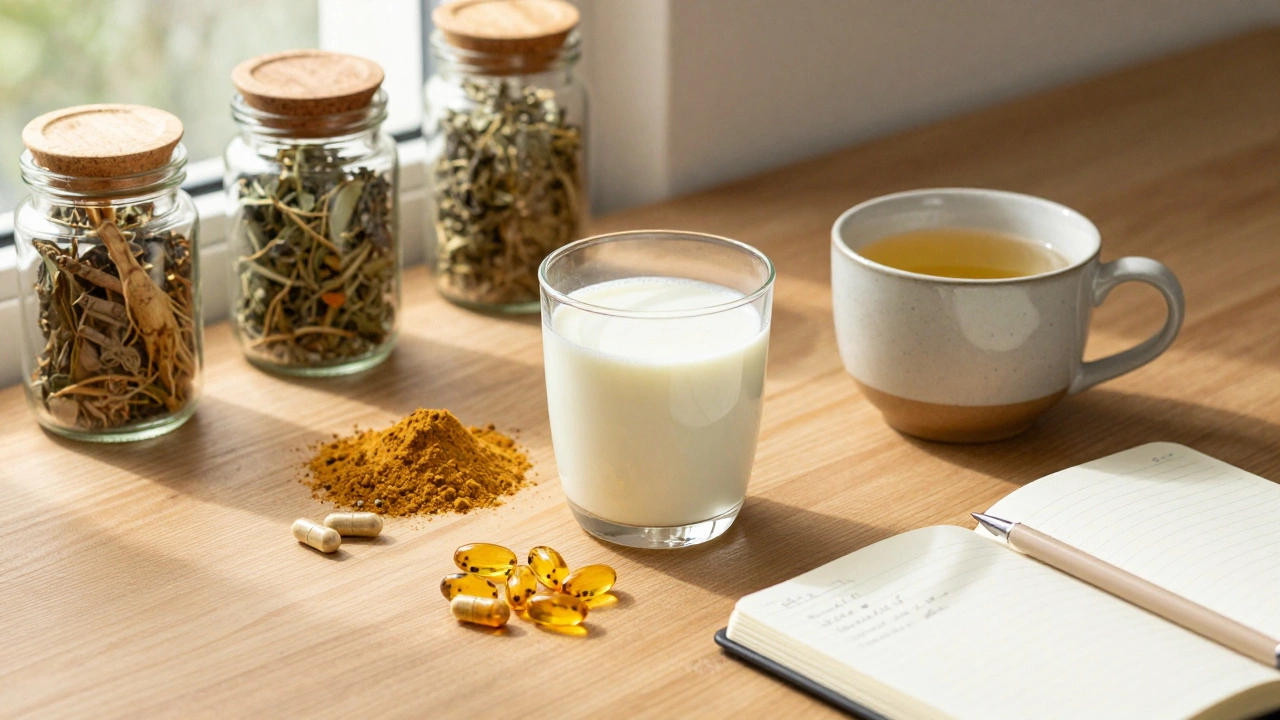
Ashwagandha, also called Indian ginseng, is a key herb in Ayurvedic medicine. It’s an adaptogen, meaning it helps your body handle stress. Many people take it to reduce anxiety, improve sleep, or lower cortisol levels. A 2019 study in the Journal of Alternative and Complementary Medicine found that adults taking 240 mg of ashwagandha daily for eight weeks reported 69% less stress and anxiety compared to those on a placebo. It’s typically taken as a capsule or powder mixed into smoothies or warm milk. Some users report feeling calmer within a week. It’s not a sedative, so don’t expect to fall asleep instantly-it works by balancing your body’s stress response over time.
Turmeric and Curcumin
Turmeric is the bright yellow spice in curry, but its active ingredient, curcumin, is what makes it a supplement. People use it for joint pain, especially from arthritis. One study published in Arthritis & Rheumatology showed that 500 mg of curcumin taken twice daily reduced knee pain in osteoarthritis patients as effectively as ibuprofen, but without the stomach irritation. Curcumin doesn’t absorb well on its own, so most supplements include piperine (from black pepper) to boost absorption. You’ll find it in capsules, softgels, or as a powder. Don’t expect instant relief-it often takes 4 to 8 weeks to notice changes.
Ginseng
There are two main types: Asian (Panax) and American. Both are used to boost energy and mental focus, but Asian ginseng is more stimulating. People take it to fight fatigue, especially after illness or during busy work periods. A 2021 review in Phytomedicine found that ginseng improved mental performance in healthy adults, especially in tasks requiring attention and memory. It’s available as dried root slices, capsules, or teas. Some users feel a noticeable energy lift within an hour. But if you’re sensitive to caffeine, avoid taking it late in the day-it can interfere with sleep.
Garlic
Garlic isn’t just for cooking. Garlic supplements are made from aged or dehydrated garlic bulbs. They’re used to support heart health, especially for lowering slightly elevated blood pressure and cholesterol. A 2020 meta-analysis in the Journal of Clinical Hypertension showed that garlic supplements reduced systolic blood pressure by an average of 7 mmHg in people with high blood pressure. That’s similar to what some mild blood pressure medications achieve. Most supplements contain allicin, the compound responsible for garlic’s smell and benefits. You can buy them as capsules, tablets, or aged garlic extract. The smell is gone in most modern formulas, so you won’t be giving off garlic breath.
St. John’s Wort
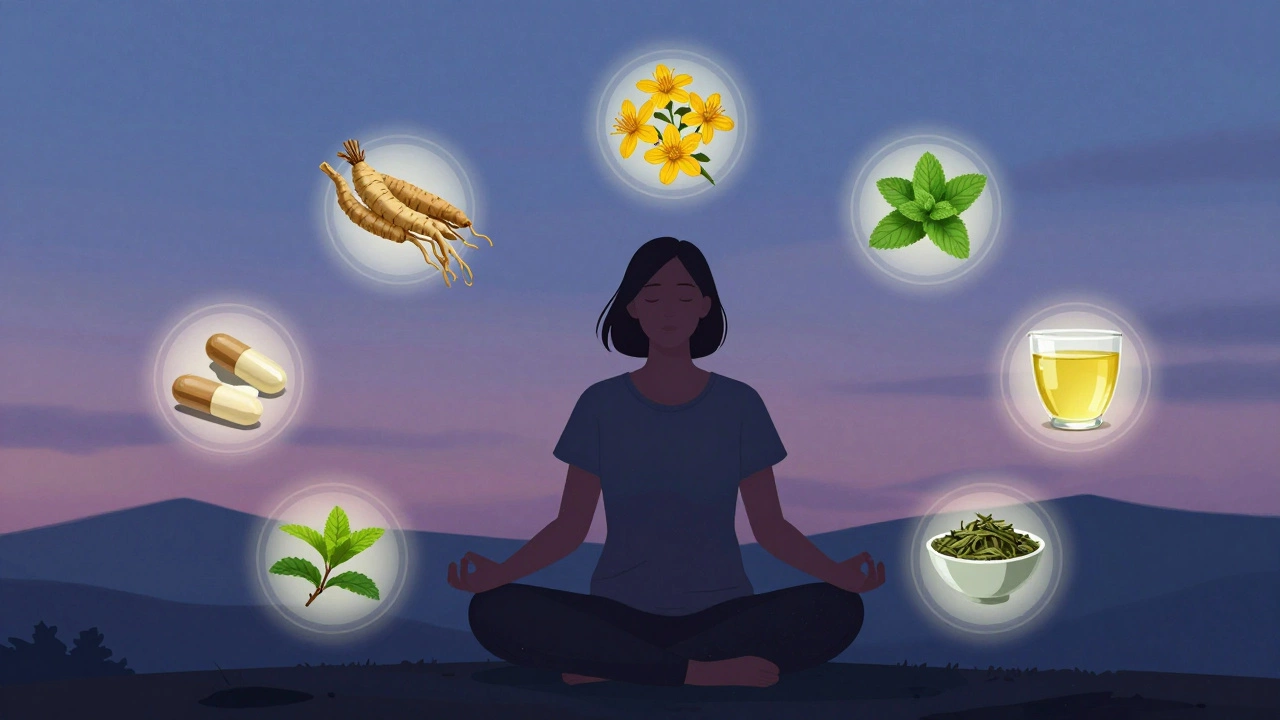
This bright yellow-flowered plant is used in Europe for mild to moderate depression. It’s not approved in the U.S. as a treatment, but many people use it as an alternative to antidepressants. Research shows it can be as effective as low-dose SSRIs for some people, with fewer side effects like sexual dysfunction. But it interacts with a lot of medications-birth control pills, antidepressants, blood thinners, and even some cancer drugs. Always talk to a doctor before using it. It’s sold as capsules or liquid drops. Effects can take 3 to 6 weeks to show up. If you’re on any prescription meds, skip this one unless your doctor says it’s safe.
Valerian Root
Valerian root is the go-to herb for sleep problems. It’s been used for centuries as a natural sedative. A 2020 review in Frontiers in Neurology found that valerian improved sleep quality without causing next-day grogginess, unlike some sleep medications. It’s usually taken 30 to 60 minutes before bed as a capsule, tea, or tincture. Some people notice better sleep after the first night. Others need a few weeks. It’s not addictive, but it can make you drowsy. Don’t drive or operate heavy machinery after taking it.
Peppermint Oil
Peppermint oil capsules are used for digestive issues, especially irritable bowel syndrome (IBS). A 2022 study in the Journal of Clinical Gastroenterology found that 75% of IBS patients who took enteric-coated peppermint oil capsules daily for four weeks saw significant improvement in bloating, cramping, and bowel urgency. The capsules are designed to release the oil in the intestines, not the stomach, to avoid heartburn. It’s one of the few herbal supplements with strong clinical backing for a specific condition. You’ll find it in capsule form only-never take pure oil orally.
Green Tea Extract
Green tea extract is concentrated in catechins, especially EGCG, which has antioxidant properties. People take it for metabolism support, liver health, and even skin protection. One study found that 400 mg of green tea extract daily helped reduce liver fat in people with non-alcoholic fatty liver disease. But high doses can cause liver damage in rare cases. Stick to doses under 800 mg per day unless under medical supervision. It’s sold as capsules, and some formulas include vitamin C to boost absorption. Avoid taking it on an empty stomach-it can upset your stomach.
Probiotics from Fermented Herbs
Not all probiotics are created equal. Some supplements combine probiotic strains with fermented herbs like ginger, turmeric, or holy basil. These are designed to support gut health while also delivering plant-based anti-inflammatory benefits. A 2023 trial showed that people taking a fermented herb-probiotic blend had better digestion and reduced bloating compared to those taking plain probiotics. It’s a newer category, but gaining traction. Look for products that list both the bacterial strains and the fermented herbs on the label.
Why Some Herbal Supplements Work-and Others Don’t
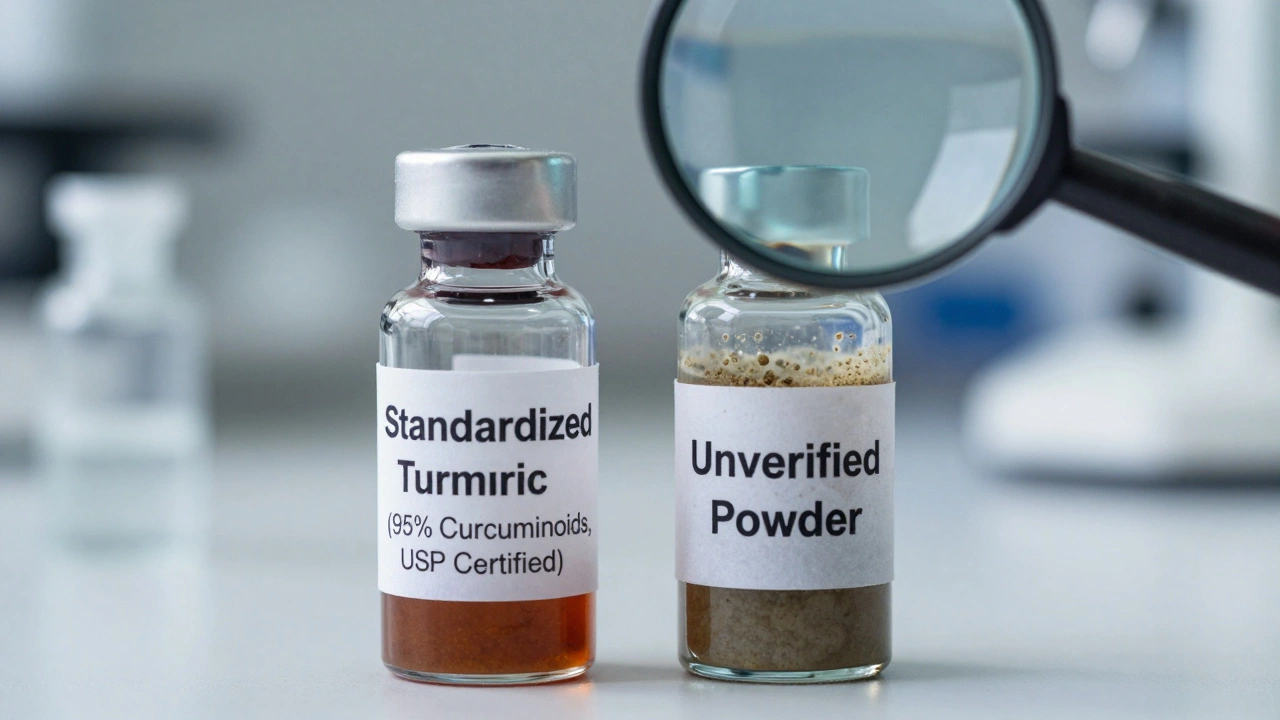
Not every herb on the shelf has solid science behind it. Some work because researchers have tested them in controlled trials. Others are popular because of anecdotes or marketing. The difference often comes down to standardization. For example, a high-quality turmeric supplement will list the percentage of curcuminoids (usually 95%). A low-quality one might just say “turmeric root powder” with no potency info. Look for third-party testing seals like USP, NSF, or ConsumerLab. These mean the product contains what it claims and is free of contaminants.
What to Watch Out For
Herbal supplements aren’t regulated like prescription drugs. That means quality varies wildly. Some products contain fillers, heavy metals, or even hidden pharmaceuticals. A 2021 U.S. Food and Drug Administration report found that 1 in 5 herbal supplements tested had undeclared ingredients, including steroids and blood pressure drugs. Always buy from trusted brands. Check the label: Does it list the exact plant part used? (e.g., “root” vs. “leaf”)? Is there a batch number? Can you find a certificate of analysis online?
When to Skip Herbal Supplements
Don’t use them if you’re pregnant, breastfeeding, or taking prescription medications. Some herbs can interfere with anesthesia, blood thinners, or immune drugs. If you have liver disease, kidney problems, or autoimmune conditions, talk to your doctor first. Even “natural” doesn’t mean safe for everyone.