Sperm Retrieval Pain: What to Expect During IVF Procedures
Sperm Retrieval Comfort & Recovery Planner
How discomfort typically changes over the first two weeks after your procedure.
Walking into a fertility clinic for sperm retrieval is a significant step in the IVF treatment process where sperm is extracted directly from the testes or epididymis when standard collection fails. The most common question men ask before the procedure isn't about success rates, but about how it will feel. Will it hurt? How long does the soreness last? Is it worse than getting a flu shot? The short answer is that the procedure itself is often less painful than expected due to effective local anesthesia, but the recovery phase involves manageable discomfort that varies significantly depending on the specific technique used.
Understanding the Different Types of Sperm Retrieval
Not all sperm retrieval methods are created equal, and the level of pain is directly tied to the invasiveness of the technique. Your doctor will choose the method based on your specific diagnosis, such as obstructive azoospermia or non-obstructive azoospermia. Knowing which one you're undergoing helps set realistic expectations for comfort.
- Percutaneous Epididymal Sperm Aspiration (PESA): This is a minimally invasive outpatient procedure. A needle is inserted through the skin into the epididymis to aspirate fluid containing sperm. It is generally considered the least painful option.
- Microscopic Testicular Sperm Extraction (micro-TESE): This is a surgical procedure performed under general or regional anesthesia. A surgeon uses an operating microscope to find tiny tubules containing sperm within the testicle. Because it involves incisions, it has a longer recovery time and more post-operative soreness.
- Testicular Sperm Aspiration (TESA): Similar to PESA but targets the testicle rather than the epididymis. It can be done under local anesthesia with sedation or general anesthesia.
The Procedure Experience: Anesthesia and Sensations
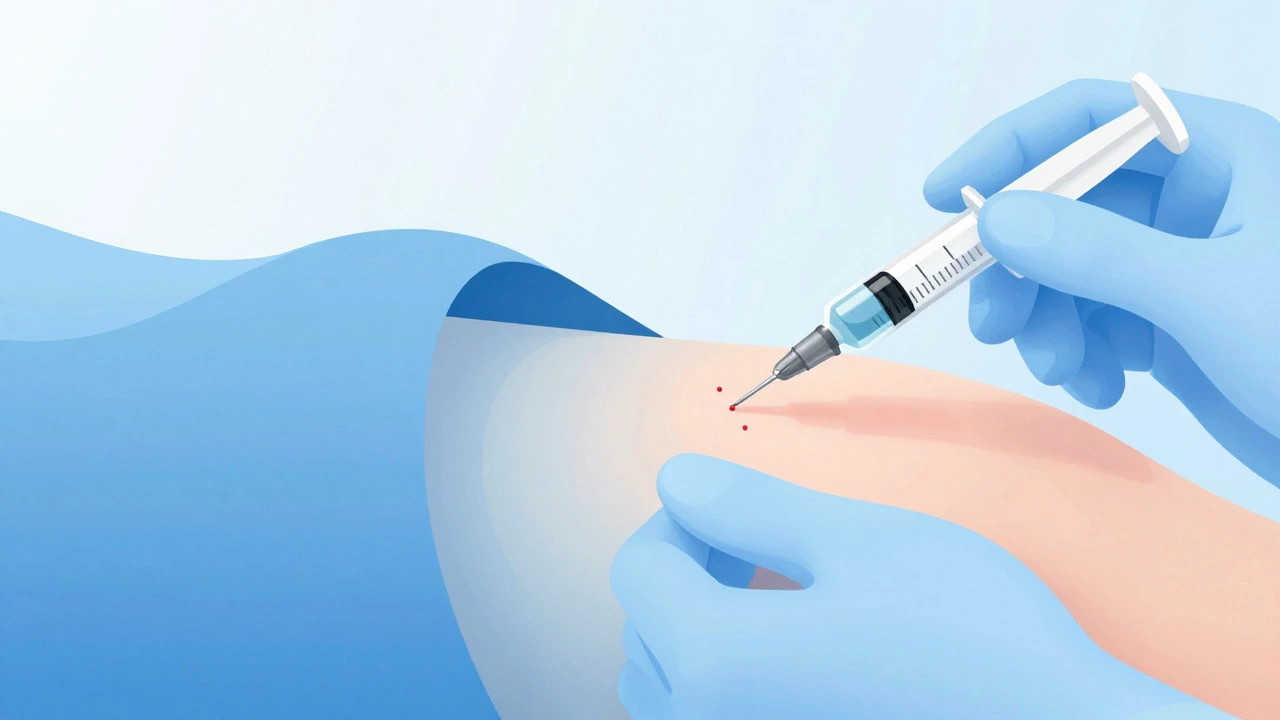
During the actual extraction, most patients report feeling pressure rather than sharp pain. For PESA and TESA procedures done under local anesthesia, the initial injection of the anesthetic is usually the most uncomfortable part. It feels like a stinging pinch, similar to a blood draw or a vaccination. Once the area is numbed, you might feel a slight tug or vibration as the needle moves, but intense pain is rare if the anesthesia works correctly.
If you are undergoing micro-TESE, you will likely be under general anesthesia or a spinal block. In this case, you won't feel anything during the surgery. You might hear some movement or feel light pressure, but the brain is effectively disconnected from pain signals. The main concern here shifts from intra-operative pain to post-operative swelling and bruising.
Recovery and Post-Operative Discomfort
This is where the real "pain" assessment happens. After local anesthesia wears off (usually within 2-4 hours), you may experience a dull ache in the scrotum. For PESA, this soreness is typically mild and lasts for 1-2 days. Many men describe it as feeling like they have a heavy stone in their pocket or a mild bruise. Over-the-counter pain relievers like ibuprofen or acetaminophen are usually sufficient to manage this discomfort.
For micro-TESE, the recovery is more substantial. Since there are small incisions in the scrotal skin, you might experience throbbing pain, swelling, and bruising for up to 5-7 days. Some men report feeling tender to the touch for a week or two. Wearing supportive underwear (like briefs or a jockstrap) is crucial during this period to reduce movement and alleviate strain on the healing tissues. Most men return to light desk work within 3-5 days, but strenuous activity should be avoided for at least two weeks.
| Procedure Type | Anesthesia Used | Intra-operative Pain Level | Post-op Discomfort Duration | Typical Recovery Time |
|---|---|---|---|---|
| PESA | Local | Low (stinging only) | 1-2 days | Same day / Next day |
| TESA | Local/Sedation | Low-Moderate | 2-3 days | 2-3 days |
| micro-TESE | General/Spinal | None (asleep) | 5-7 days | 1-2 weeks |
Factors That Influence Pain Perception
Pain is subjective, and several factors can influence how much discomfort you feel. Anxiety is a major amplifier; if you are nervous, your muscles may tense up, making the procedure slightly more difficult and potentially increasing sensitivity. Talking to your doctor beforehand about anxiety management techniques can help. Additionally, individual pain thresholds vary widely. Some men report almost no pain, while others find even minor procedures uncomfortable. It’s also worth noting that inflammation levels in the body can affect healing speed and soreness duration.
Managing Discomfort: Practical Tips
You can take active steps to minimize pain and speed up recovery. Here are some proven strategies:
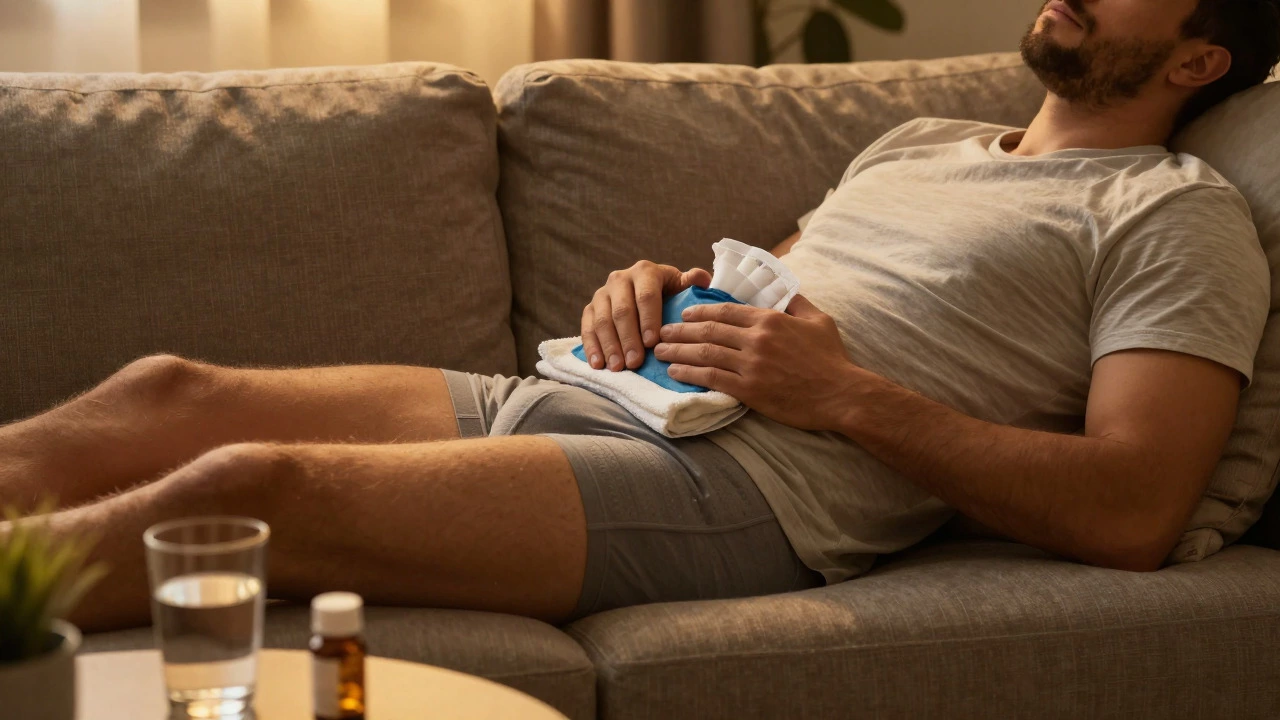
- Cold Compresses: Apply ice packs (wrapped in a towel) to the scrotum for 15-20 minutes every few hours in the first 48 hours to reduce swelling.
- Supportive Underwear: Avoid boxers. Tight, supportive briefs keep the testes elevated and reduce swinging, which decreases pain.
- Rest: Take it easy. Avoid lifting heavy objects, running, or cycling for at least a week after micro-TESE.
- Pain Medication: Don't wait until the pain becomes severe. Start taking over-the-counter anti-inflammatories as soon as the anesthesia wears off, following your doctor's dosage instructions.
When to Contact Your Doctor
While some discomfort is normal, certain signs indicate complications. Contact your fertility specialist if you experience:
- Severe pain that isn't relieved by medication.
- Fever above 38°C (100.4°F), which could signal infection.
- Excessive bleeding or expanding hematoma (a large, hard lump).
- Numbness that persists beyond a few days.
Is sperm retrieval surgery painful?
The procedure itself is rarely painful due to anesthesia. PESA and TESA involve a stinging sensation during the local anesthetic injection, followed by mild pressure. Micro-TESE is performed under general anesthesia, so you feel nothing during the operation. Post-operative soreness is the primary source of discomfort, lasting from a few days to a week depending on the method.
How long does it take to recover from sperm retrieval?
Recovery times vary. For PESA, most men feel back to normal within 24-48 hours. For TESA, expect 2-3 days of mild soreness. For micro-TESE, plan for 1-2 weeks of limited activity, with significant soreness subsiding after about 5-7 days. Full healing of internal tissues may take longer, but daily activities can usually resume within a week.
Can I drive home after sperm retrieval?
If you undergo PESA or TESA with local anesthesia, you can usually drive yourself home unless you are given strong sedatives. However, if you have micro-TESE under general or spinal anesthesia, you must have someone else drive you because your reflexes and coordination will be impaired for several hours.
Does sperm retrieval affect future fertility?
Generally, sperm retrieval does not negatively impact future natural fertility potential, especially with microscopic techniques like micro-TESE which preserve healthy tissue. However, since these procedures are often used for men who already have low or absent sperm counts, the baseline fertility status remains the determining factor for natural conception possibilities.
What is the success rate of sperm retrieval?
Success rates depend on the cause of azoospermia. For obstructive azoospermia, sperm is found in over 90% of cases using PESA or TESA. For non-obstructive azoospermia, micro-TESE has a sperm detection rate of approximately 50-60%, meaning sperm is found in half of the attempts, though the quality and quantity can vary.