What Do Cancer Patients Need Most? A Guide to Support and Care
Cancer Care Support Planner
Use this tool to assess your current support network and identify gaps in care. Select the areas where you currently feel supported or need assistance, then generate a personalized action plan.
Your Personalized Support Strategy
Based on your selections, here are targeted recommendations to optimize your care journey:
✅ What You Have Covered
Select items above to see coverage status.
🚀 Recommended Next Steps
💡 Key Insight for Your Situation
Imagine sitting in a sterile hospital room, the hum of machines filling the silence. You’ve just heard the word that changes everything: cancer. It’s not just a medical diagnosis; it’s an earthquake that shakes every pillar of your life. But what actually helps when the dust settles? Is it the latest drug, the kindest nurse, or something else entirely?
We often assume that treating cancer is purely about killing cells. And yes, medical intervention is critical. But ask any survivor or caregiver, and they’ll tell you the story is far more complex. The journey involves navigating a maze of emotions, financial fears, physical exhaustion, and logistical nightmares. So, what do patients truly need? It’s rarely just one thing. It’s a blend of precise medical care, unwavering emotional backing, practical help, and clear communication.
The Foundation: Clear Communication and Trust
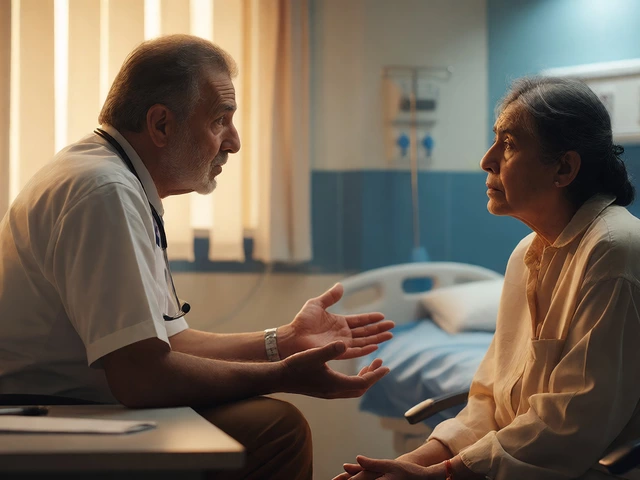
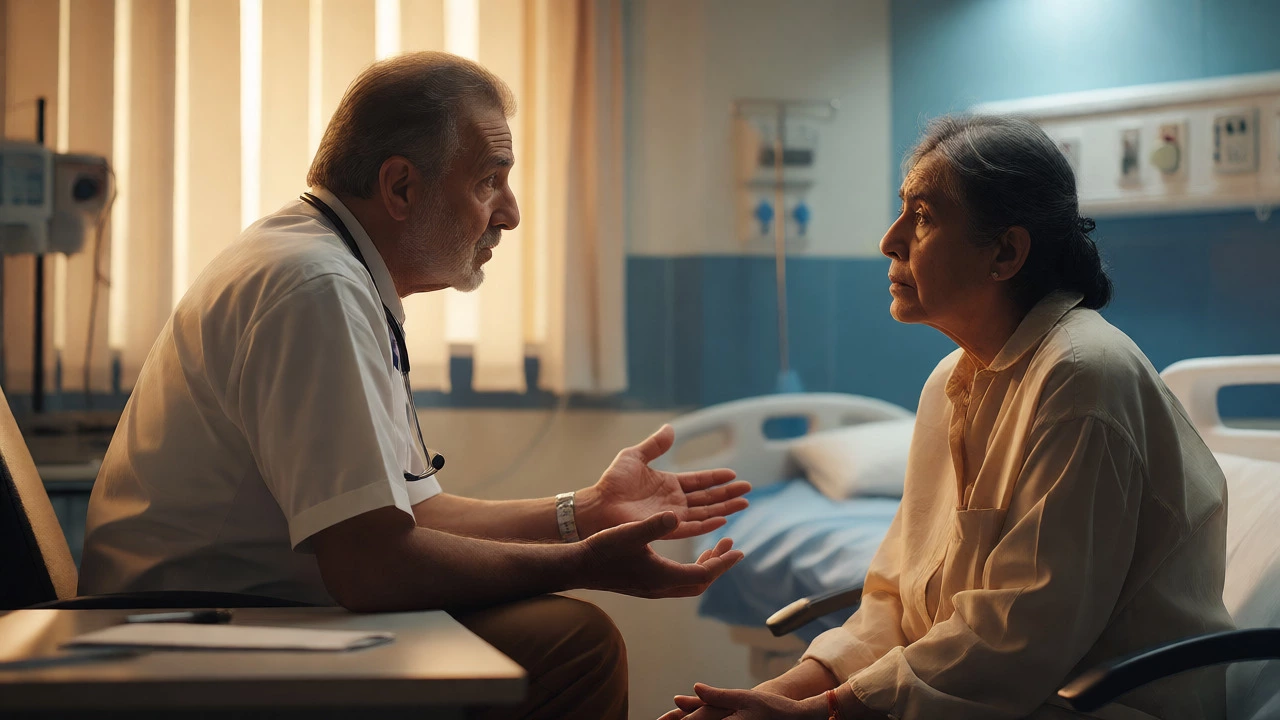
Before anything else, patients need to understand what’s happening to them. Medical jargon can feel like a foreign language designed to confuse. Terms like "metastasis," "remission," or "adjuvant therapy" carry heavy weight but little clarity if not explained well. What patients crave most from their healthcare team is honesty delivered with empathy.
This isn’t just about soft skills. Studies show that when patients understand their treatment plan, they adhere to it better and report higher satisfaction. They need doctors who listen more than they talk. They need time to process information without feeling rushed. This creates trust, which is the bedrock of effective treatment. If a patient doesn’t trust their oncologist, they might skip doses, miss appointments, or seek unproven alternatives out of desperation.
Practical tip: Bring a notebook to appointments. Write down questions beforehand. Ask for written summaries of discussions. If the explanation feels vague, ask again. It’s okay to say, "I didn’t understand that part. Can you explain it differently?"
Managing Physical Symptoms Effectively
Cancer itself causes pain, fatigue, and nausea. But so does the treatment. Chemotherapy, radiation, and surgery each bring their own side effects. Patients don’t just need these symptoms managed; they need proactive management. Waiting until pain becomes unbearable before taking medication is a common mistake that leads to unnecessary suffering.
Fatigue is arguably the most underestimated symptom. It’s not just being tired; it’s a bone-deep exhaustion that sleep doesn’t fix. Patients need energy conservation strategies. This means learning to prioritize tasks, delegate chores, and accept rest as a productive activity, not laziness.
| Symptom | Patient Need | Practical Solution |
|---|---|---|
| Nausea | Prevention, not just cure | Take anti-emetics before chemo, not after vomiting starts |
| Fatigue | Energy management | Prioritize high-value activities; rest between tasks |
| Pain | Consistent control | Use scheduled dosing rather than "as needed" only |
| Nutrition | Palatable, easy options | Small, frequent meals; bland foods during flare-ups |
Patients also need access to supportive therapies. Acupuncture has shown promise in reducing chemotherapy-induced nausea. Massage therapy can help with anxiety and pain. These aren’t luxuries; they’re tools that improve quality of life, making the grueling treatment schedule more bearable.

The Emotional Anchor: Psychological Support
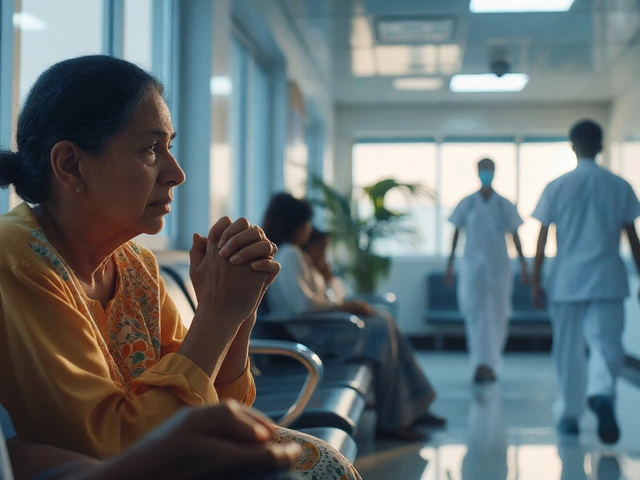
A cancer diagnosis triggers a storm of emotions: fear, anger, sadness, and sometimes numbness. Patients need permission to feel all of these. Too often, society expects survivors to be "warriors" who stay positive at all costs. Toxic positivity-telling someone to "just stay positive"-can make patients feel guilty for having bad days.
Professional psychological support is vital. Oncology social workers and therapists specialize in helping patients cope with the existential dread that comes with serious illness. They provide coping mechanisms for anxiety and depression, which are prevalent among cancer patients. Group therapy offers another layer of support: connecting with others who truly get it. There’s a unique comfort in talking to someone who understands the specific taste of metal in your mouth after chemo or the fear of recurrence scans.
For families, education is key. Loved ones need guidance on how to support without smothering. They need to know that listening is often more powerful than fixing. Simple acts, like sitting in silence together or watching a favorite movie, can provide profound emotional relief.
Financial Stability and Navigation
Let’s address the elephant in the room: money. In many countries, including parts of the UK where NHS coverage exists, hidden costs still abound. Travel to hospitals, parking fees, over-the-counter medications, and lost income due to inability to work create significant stress. Financial toxicity is a real medical term describing the economic burden of cancer care.
Patients need clear information about what their insurance covers. They need help applying for grants, disability benefits, or charity funds. Navigating this bureaucratic maze while sick is exhausting. Having a dedicated financial counselor or a savvy family member handle these logistics allows the patient to focus on healing rather than bills.
Practical steps include setting up automatic bill payments to avoid late fees during treatment peaks and exploring employer leave policies early. Knowing your rights regarding workplace accommodations reduces anxiety about job security.

Practical Daily Living Assistance
When you’re undergoing intense treatment, basic daily tasks become mountains. Driving to appointments, cooking nutritious meals, cleaning the house, or caring for children/pets consumes energy needed for recovery. Patients need tangible help, not just well-wishes.
Instead of asking, "Let me know if you need anything," which puts the burden on the patient to assign tasks, offer specific help. Say, "I’m bringing dinner on Tuesday," or "I’ll drive you to your appointment next week." This removes the decision fatigue for the patient.
- Transportation: Reliable rides to and from treatment centers.
- Meal Prep: Freezing healthy, easy-to-reheat meals.
- Household Chores: Laundry, vacuuming, or grocery runs.
- Child/Pet Care: Ensuring dependents are cared for during long hospital stays.
This practical support preserves the patient’s limited energy for what matters most: resting and engaging in meaningful interactions.
Hope Without False Promises
Finally, patients need hope. But not blind optimism. They need realistic hope based on data and personal stories. They want to know that people survive this, live full lives afterward, and find new meaning. They need to see the path forward, even if it’s winding.
Connecting with survivorship programs provides this perspective. Hearing from someone five years post-diagnosis who is hiking mountains or starting a business offers tangible proof that life continues. This kind of hope fuels resilience, helping patients endure the tough weeks of treatment.
Is emotional support really as important as medical treatment?
Yes. While medical treatment targets the disease, emotional support impacts adherence to treatment, immune function, and overall quality of life. Stress hormones can negatively affect health outcomes, so managing mental well-being is a clinical priority, not just a nice-to-have.
How can friends and family best help a cancer patient?
Offer specific, actionable help instead of general offers. Drive them to appointments, cook meals, or handle administrative tasks. Listen actively without trying to "fix" their feelings immediately. Respect their space when they need quiet, but stay present when they want company.
What are the most common physical symptoms patients struggle with?
Fatigue, pain, nausea, and neuropathy (nerve damage) are very common. Fatigue is often the most debilitating, affecting up to 90% of patients during active treatment. Proactive management through medication and lifestyle adjustments is essential.
Do cancer patients need special diets?
There is no single "cancer diet." However, maintaining nutrition is crucial. Patients often need high-calorie, high-protein foods if losing weight. During treatment, small, frequent, bland meals may be easier to tolerate. Consulting a registered dietitian specializing in oncology is highly recommended.
How does financial stress affect cancer outcomes?
Financial stress, known as financial toxicity, can lead to skipped treatments, poor nutrition, and increased anxiety/depression. These factors can indirectly worsen health outcomes. Access to financial counseling and social work services is a critical component of comprehensive cancer care.