What Is the Strongest Medicine for Diabetes? Top Treatments Explained
Diabetes Treatment Selection Calculator
Personalized Treatment Recommendations
This tool helps you understand which diabetes treatments might be most suitable for your situation based on key factors. Remember: Always consult your doctor for personalized medical advice.
Recommended Treatment Options
There’s no single "strongest" medicine for diabetes that works for everyone. What works best depends on your body, your health goals, and how your diabetes has progressed. Many people assume the strongest drug is the best, but that’s not how diabetes treatment works. It’s not a race to the most powerful chemical-it’s about finding the right tool for your situation.
Diabetes isn’t one disease
Type 1 and Type 2 diabetes are completely different. Type 1 means your body doesn’t make insulin at all. Type 2 means your body doesn’t use insulin well, and over time, it may stop making enough. The treatments for each are not interchangeable.
If you have Type 1 diabetes, insulin is not just a treatment-it’s life. You need it every day, multiple times a day. There’s no alternative. Without insulin, your blood sugar rises to dangerous levels, and you can go into diabetic ketoacidosis, which can be fatal. Insulin is the only medicine that can replace what your body no longer produces.
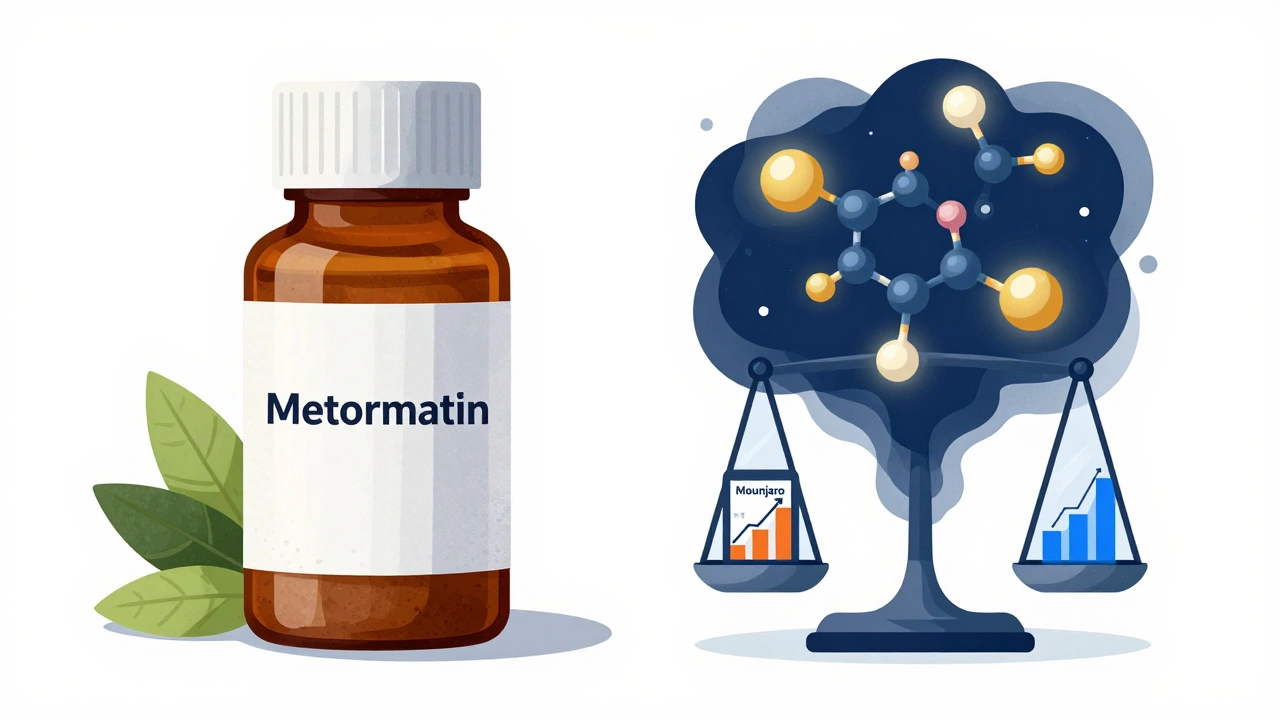
For Type 2 diabetes, things get more complex. Doctors start with lifestyle changes and metformin. Metformin isn’t flashy, but it’s been used for over 60 years and is still the first-line treatment because it’s safe, cheap, and helps lower blood sugar without causing weight gain or low blood sugar. But if metformin isn’t enough, your doctor will consider other options.
What makes a diabetes medicine "strong"?
"Strong" can mean different things:
- How much it lowers A1C (average blood sugar over 3 months)
- How fast it works
- Whether it helps you lose weight
- If it protects your heart or kidneys
Some drugs lower A1C by 1.5% to 2%. Others only drop it by 0.5%. But a drug that lowers A1C by 2% might also cause nausea, vomiting, or a high risk of low blood sugar. That’s not strength-it’s side effects.
Today, the most powerful glucose-lowering drugs in terms of A1C reduction are:
- Insulin - Can lower A1C by 1.5% to 3%, depending on dose and type
- GLP-1 receptor agonists like semaglutide (Wegovy, Ozempic) and tirzepatide (Mounjaro, Zepbound) - Lower A1C by 1.8% to 2.4%
- SGLT2 inhibitors like empagliflozin (Jardiance) and dapagliflozin (Farxiga) - Lower A1C by 0.5% to 1.2%, but also reduce heart failure and kidney disease risk
So yes, tirzepatide and semaglutide are among the most effective at lowering blood sugar. But calling them the "strongest" misses the point. They’re not just sugar-lowering pills. They’re weight-loss drugs with heart-protective benefits.
The real game-changer: GLP-1 agonists and Mounjaro
Since 2022, tirzepatide (Mounjaro) has changed the game. It’s a dual agonist-it works on both GLP-1 and GIP receptors. In clinical trials, people with Type 2 diabetes lost up to 20% of their body weight and lowered their A1C by an average of 2.3%. That’s more than most insulin regimens achieve.
But here’s what no one tells you: Mounjaro doesn’t work for everyone. It’s expensive. It requires weekly injections. And it can cause severe nausea, especially when starting. Many people can’t tolerate it. Others can’t get it because of insurance restrictions or supply shortages.
Semaglutide (Ozempic) is similar but slightly less potent. It lowers A1C by about 1.8% and helps with weight loss, but not as dramatically as Mounjaro. Both are now used not just for diabetes, but for obesity-making them harder to get for people who need them for blood sugar control.
Insulin: Still the most powerful tool
Even with all the new drugs, insulin remains the most potent blood sugar-lowering medicine available. Long-acting insulin like degludec (Tresiba) or glargine (Lantus) keeps blood sugar steady all day. Rapid-acting insulin like lispro (Humalog) or aspart (NovoLog) handles meals.
When someone’s A1C is over 10%, and they’ve tried everything else, insulin is the only option that reliably brings it down fast. It’s not a failure-it’s a necessary step. Many people fear insulin because they think it means they’ve "lost" the battle. But that’s not true. It just means their body needs extra help.
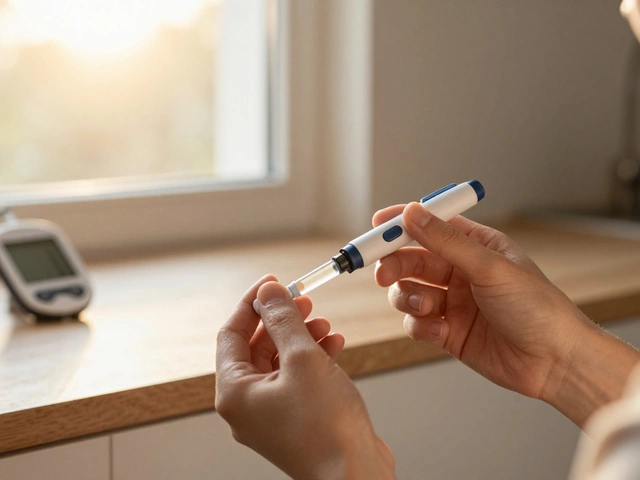
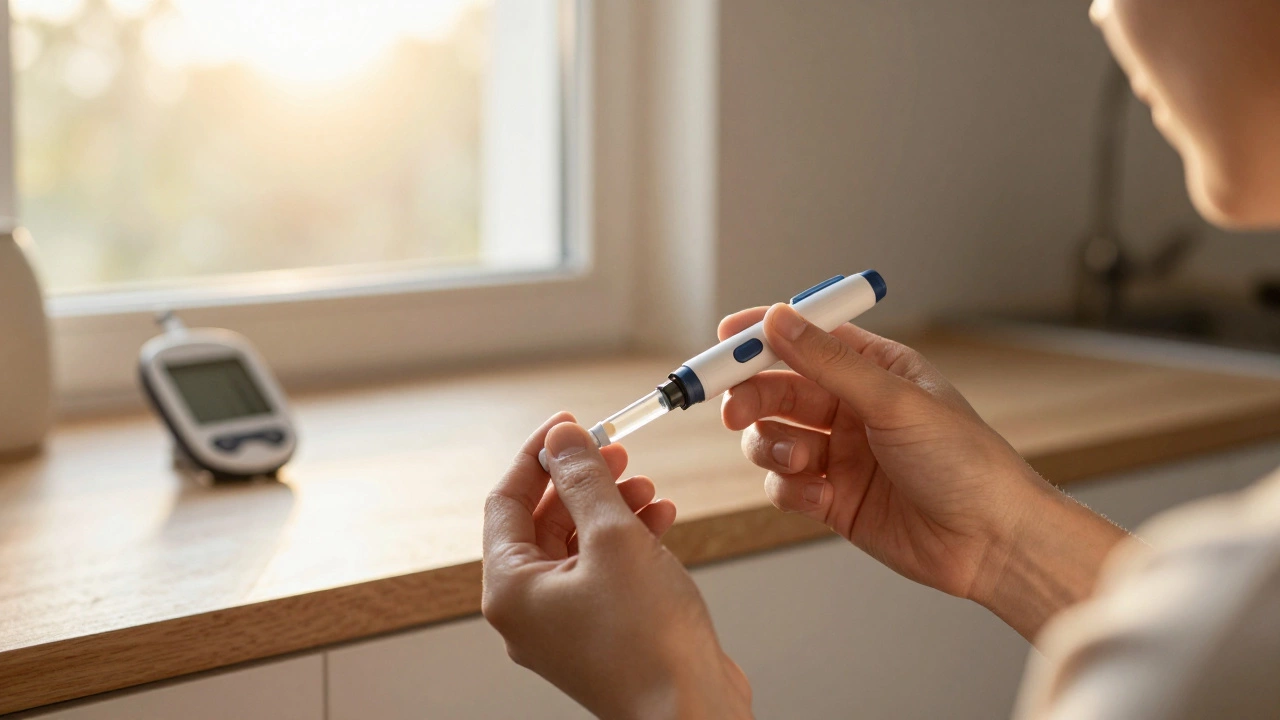
Modern insulin pens are tiny, nearly painless, and come with smart features. Some even connect to apps that track doses and blood sugar trends. Insulin isn’t outdated-it’s evolved.
Why the "strongest" label is misleading
Doctors don’t choose medicine based on strength alone. They look at:
- Cost - Mounjaro costs over £800 a month in the UK without insurance
- Side effects - GLP-1 drugs cause nausea in 40% of users
- Access - Many NHS patients wait months for these newer drugs
- Other health problems - If you have heart disease, SGLT2 inhibitors might be better than GLP-1 drugs
- Weight goals - If you need to lose weight, GLP-1 drugs are ideal
One patient I spoke with in London had an A1C of 11%. He tried metformin, then sitagliptin, then empagliflozin. Nothing worked. His doctor finally prescribed insulin. Within six weeks, his A1C dropped to 6.8%. He didn’t lose weight. He didn’t feel "cured." But his energy came back. He stopped feeling dizzy after meals. That’s what matters.
Another patient took semaglutide and lost 28kg. But she had constant nausea. She couldn’t eat dinner without vomiting. Her A1C dropped to 6.1%, but her quality of life suffered. She switched back to insulin with fewer side effects.
What to do if your current medicine isn’t working
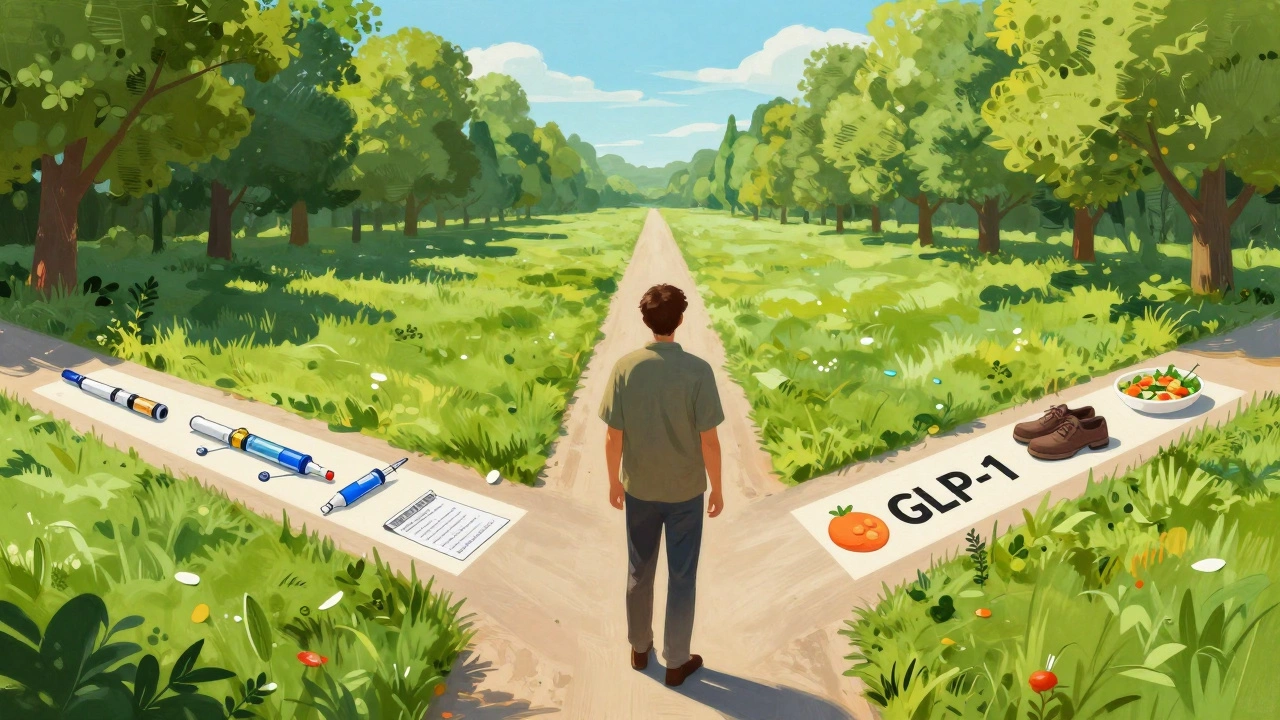
If your blood sugar is still high despite taking your medicine:
- Check your doses - Are you taking the right amount? Many people underdose because they’re scared of side effects
- Review your diet - Even the best drug won’t fix a diet full of sugary drinks and refined carbs
- Track your activity - Walking 30 minutes a day can lower A1C by 0.5%
- Ask about combination therapy - Sometimes two drugs work better than one
- Request a referral to a diabetes educator - They help you understand how to use your medicine properly
Don’t assume you need the "strongest" drug. You need the right one.
The bottom line
There is no single strongest medicine for diabetes. Insulin is the most powerful at lowering blood sugar. GLP-1 agonists like Mounjaro and Ozempic are the most effective at lowering A1C and helping with weight loss. But they’re not better for everyone.
What works best is the medicine you can take safely, affordably, and consistently. A simple, cheap drug you take every day is better than a powerful one you skip because it makes you sick or costs too much.
Diabetes management isn’t about winning a contest. It’s about staying healthy, avoiding complications, and living well. The best medicine is the one you’ll stick with.
Is insulin the strongest diabetes medicine?
Yes, insulin is the most powerful drug for lowering blood sugar. It can reduce A1C by up to 3% and works for everyone with Type 1 diabetes. But it’s not always the best first choice for Type 2 diabetes because of the risk of low blood sugar and weight gain.
What is the newest strongest diabetes drug?
Tirzepatide (Mounjaro) is currently the most effective glucose-lowering drug available. In clinical trials, it lowered A1C by up to 2.4% and helped patients lose over 20% of their body weight. It’s a dual GLP-1 and GIP receptor agonist, making it more potent than older drugs like semaglutide.
Can you reverse diabetes with strong medicine?
Type 2 diabetes can go into remission in some people through major weight loss, not just medicine. Bariatric surgery and very low-calorie diets have proven this. GLP-1 drugs like Mounjaro help by promoting weight loss, which can lead to remission-but only if the weight stays off. Medicine alone doesn’t reverse diabetes.
Why do some people say Ozempic is better than insulin?
Ozempic (semaglutide) is often seen as better because it helps with weight loss and doesn’t cause low blood sugar like insulin can. It’s also easier to use-once a week vs. multiple daily injections. But it doesn’t work for everyone. If your pancreas has stopped making insulin, Ozempic won’t help. Insulin is still the only option for Type 1 diabetes and advanced Type 2.
Are there natural alternatives to strong diabetes medicines?
No. There are no natural supplements or herbs proven to replace prescription diabetes medicine. Some, like cinnamon or berberine, may slightly lower blood sugar, but not enough to control diabetes on their own. Relying on them instead of medicine can lead to dangerous complications like nerve damage, kidney failure, or blindness.
What to do next
If you’re struggling with your diabetes treatment:
- Ask your doctor to check your A1C and kidney function
- Get a referral to a diabetes specialist if you’ve tried three or more medicines without results
- Ask about cost assistance programs-many drug makers offer discounts for UK residents
- Consider joining a local diabetes support group-sharing experiences helps you make better choices
Diabetes is a long-term condition. There’s no magic bullet. But with the right mix of medicine, diet, and movement, you can live well for decades-even without the "strongest" drug on the market.