What Is the Most Popular Diabetic Pill? Metformin, GLP-1s, and SGLT2 Inhibitors Explained
Diabetes Medication Matcher
Select Your Health Priorities
Recommended Classes Based on Your Profile
Walk into any pharmacy in London today, and you’ll notice a shift. The shelves are stocked, but the conversations have changed. It used to be that Metformin is the undisputed first-line treatment for type 2 diabetes, known for its safety, efficacy, and low cost. That is still true. But if you ask what the *most talked-about* or *most prescribed new* pill is, the answer gets complicated. You have the OG champion, Metformin, holding the fort. Then you have the celebrity drugs like Ozempic is a GLP-1 receptor agonist originally approved for type 2 diabetes, now famous for weight loss benefits. And don’t forget the oral contenders like Januvia is a DPP-4 inhibitor commonly prescribed for blood sugar control with a neutral effect on weight. So, which one is actually the "most popular"? If we count total prescriptions globally over the last two decades, Metformin wins by a landslide. If we count current cultural relevance and rapid adoption rates in 2026, the GLP-1 class (often injections, but with oral versions emerging) and SGLT2 inhibitors are stealing the show. This article breaks down exactly which pills dominate the market, why doctors prescribe them, and how they compare so you can understand your own options better.
The Undisputed King: Why Metformin Remains #1
Let’s get the obvious out of the way. If you look at prescription volume data from the NHS in the UK or the CDC in the US, Metformin is a biguanide medication that reduces glucose production in the liver and improves insulin sensitivity. is still the most widely prescribed diabetic pill in history. It has been around since the 1950s, derived from French lilac plants, and it just works. For millions of people, it is the first thing their doctor prescribes after diagnosing type 2 diabetes. Why does it hold this crown? First, it is cheap. Generic metformin costs pennies compared to newer agents. Second, it is safe. Decades of research show it doesn’t cause hypoglycemia (dangerously low blood sugar) on its own and may even have cardiovascular benefits. Third, it helps with modest weight loss or prevents weight gain, which is crucial since excess weight worsens insulin resistance. However, "popular" doesn't always mean "perfect." Many patients struggle with gastrointestinal side effects like nausea, diarrhea, or stomach cramps when they start. Doctors often start with a low dose and gradually increase it to mitigate this. Despite these hurdles, its effectiveness in lowering HbA1c levels by 1% to 2% keeps it at the top of the list. If you are newly diagnosed, there is a very high chance Metformin will be part of your regimen.
The Rising Stars: SGLT2 Inhibitors and Heart Health
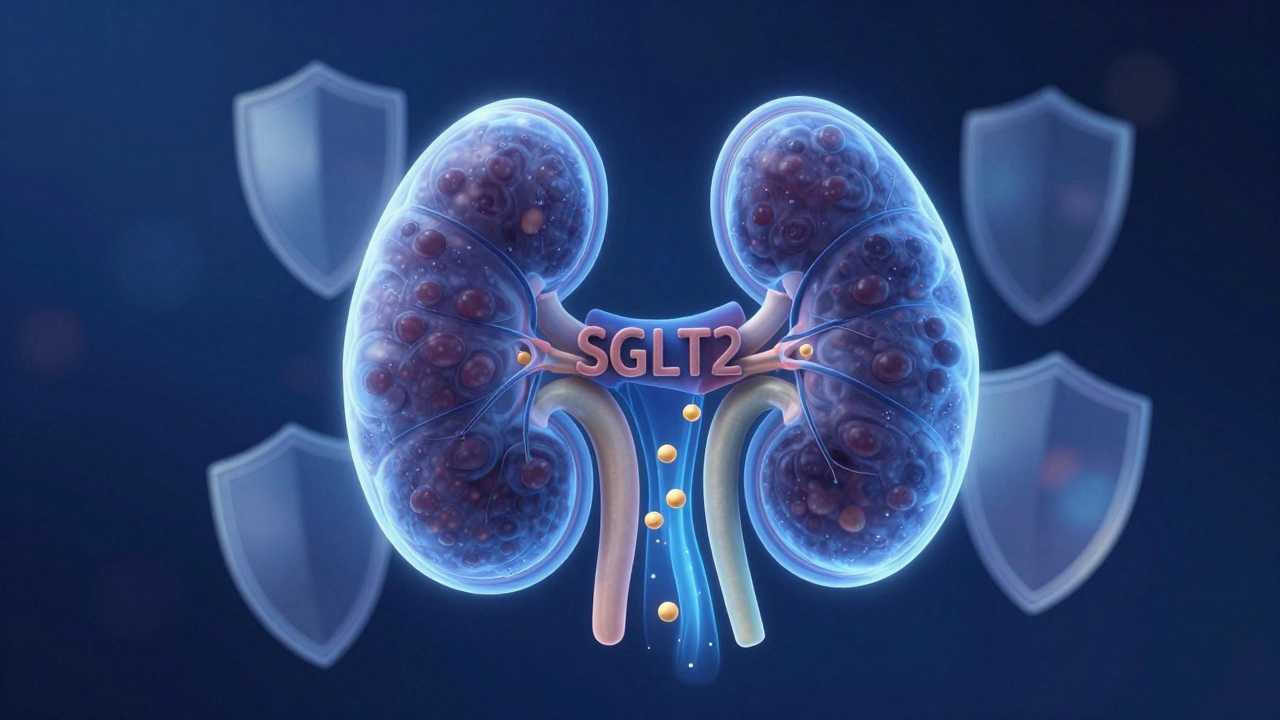
In recent years, a class of drugs called SGLT2 inhibitors are medications that block glucose reabsorption in the kidneys, causing excess sugar to be excreted in urine. has surged in popularity. Drugs like Jardiance (empagliflozin) and Farxiga (dapagliflozin) are no longer just about blood sugar; they are heart and kidney protectors. Here is how they work: Your kidneys filter your blood. Normally, they reabsorb glucose back into your bloodstream. SGLT2 inhibitors tell your kidneys to stop doing that. Instead, the excess glucose leaves your body through urine. This process burns calories, leading to weight loss, and lowers blood pressure slightly. More importantly, large clinical trials have shown these drugs significantly reduce the risk of heart failure and slow the progression of chronic kidney disease. For many patients in 2026, especially those with existing heart conditions or early signs of kidney stress, SGLT2 inhibitors are becoming the preferred second-line therapy, sometimes even added alongside Metformin early in the treatment plan. They are popular because they offer benefits beyond just glucose control-they protect vital organs.
| Medication Class | Mechanism of Action | Weight Effect | Key Benefit | Common Side Effects |
|---|---|---|---|---|
| Biguanides (Metformin) | Reduces liver glucose output | Neutral to slight loss | Low cost, long-term safety data | Gastrointestinal distress |
| SGLT2 Inhibitors | Excretes glucose via urine | Moderate loss | Heart and kidney protection | Genital yeast infections, UTIs |
| DPP-4 Inhibitors | Prolongs incretin hormone action | Weight neutral | Well-tolerated, low hypoglycemia risk | Joint pain, rare pancreatitis |
| GLP-1 Agonists | Stimulates insulin, slows digestion | Significant loss | Blood sugar and weight control | Nausea, vomiting, constipation |
The Weight Loss Connection: GLP-1s and Oral Semaglutide
You cannot talk about popular diabetic pills in 2026 without addressing the elephant in the room: weight loss. While Ozempic is a brand name for semaglutide, primarily administered as an injection for type 2 diabetes. is an injection, the class of drugs it belongs to-GLP-1 receptor agonists are medications that mimic the gut hormone GLP-1 to stimulate insulin release and suppress appetite.-has revolutionized diabetes care. Recently, an oral version of semaglutide (Rybelsus is an oral tablet form of semaglutide taken daily on an empty stomach.) became widely available. This makes it the most "pill-like" option in this powerful class. These medications are incredibly effective at lowering blood sugar and promoting significant weight loss. They work by mimicking a hormone that targets areas of the brain that regulate appetite and food intake. Patients often report feeling full sooner and staying full longer. Because obesity is a major driver of type 2 diabetes, losing weight can put the disease into remission for some people. The popularity here is driven by dual benefits: glycemic control and substantial weight reduction. However, they come with higher costs and more pronounced gastrointestinal side effects like nausea and vomiting, especially when starting. Access can also be an issue due to supply chain constraints that have plagued these drugs since their surge in demand.
The Quiet Contender: DPP-4 Inhibitors
If Metformin is too hard on your stomach and you don’t need the aggressive weight loss or heart protection of other classes, DPP-4 inhibitors are oral medications that prevent the breakdown of incretin hormones, helping maintain higher levels of insulin after meals. like Januvia (sitagliptin) or Tradjenta (linagliptin) are often the go-to choice. These are truly "set it and forget it" pills. They are weight-neutral, meaning they won’t help you lose weight, but they won’t make you gain it either. They rarely cause low blood sugar unless combined with other meds like sulfonylureas. Their popularity stems from tolerability. Patients generally feel fine taking them. There are no dietary restrictions, no injections, and minimal side effects. For older adults or those who prioritize simplicity and comfort over dramatic weight loss, DPP-4 inhibitors remain a cornerstone of diabetes management. They are often prescribed in combination with Metformin to boost efficacy without adding complexity.
How Do Doctors Choose the Right Pill for You?
There is no single "best" pill for everyone. The "most popular" drug might not be the right one for your specific health profile. Doctors use a decision tree based on several factors:
- Cardiovascular Risk: If you have heart disease or are at high risk, SGLT2 inhibitors or GLP-1s are preferred because they protect the heart.
- Kidney Function: If you have chronic kidney disease, SGLT2 inhibitors are often the first choice after Metformin.
- Weight Goals: If weight loss is a priority, GLP-1s (like Rybelsus) or SGLT2 inhibitors are superior. If weight neutrality is preferred, DPP-4 inhibitors work well.
- Cost and Insurance: Metformin is almost always covered and cheap. Newer agents can be expensive, though insurance coverage has improved in many regions for those with comorbidities.
- Tolerance: If you cannot tolerate Metformin’s GI side effects, doctors may switch to a DPP-4 inhibitor or start with a low-dose SGLT2 inhibitor.
Safety and Side Effects: What to Watch For
No medication is without risks. Understanding potential side effects helps you manage expectations and stay safe. Metformin: Long-term use can lower Vitamin B12 levels. Regular blood tests can monitor this. Rarely, it can cause lactic acidosis, a serious condition, but this is mostly a risk for people with severe kidney impairment. SGLT2 Inhibitors: Because they flush sugar through urine, they can increase the risk of genital yeast infections and urinary tract infections. Staying hydrated and practicing good hygiene helps. There is also a rare but serious risk of euglycemic diabetic ketoacidosis (DKA), where ketones build up even if blood sugar isn’t extremely high. Symptoms include nausea, vomiting, and fatigue. GLP-1s: Gastrointestinal issues are the main hurdle. Nausea, vomiting, and diarrhea are common initially but usually subside. There have been concerns about thyroid C-cell tumors in rodents, so these drugs carry a warning for people with a personal or family history of medullary thyroid carcinoma. Pancreatitis is another rare risk. DPP-4 Inhibitors: Generally well-tolerated, but some reports link them to joint pain. Rare cases of pancreatitis have been observed.
The Future of Diabetic Pills
The landscape of diabetes medication is evolving rapidly. We are seeing the rise of combination pills that pack multiple mechanisms into one tablet, improving adherence. Research is also focusing on once-weekly oral formulations, which would eliminate the daily burden of medication. Additionally, personalized medicine approaches using genetic testing may soon help predict which drug will work best for an individual before they even try it. While Metformin remains the statistical leader, the definition of "popular" is shifting toward drugs that offer holistic health benefits-protecting the heart, kidneys, and aiding weight loss. The best pill is the one that fits your medical needs, lifestyle, and financial situation. Always discuss these options with your healthcare provider to create a tailored plan.
Is Metformin still the first choice for type 2 diabetes?
Yes, Metformin remains the first-line treatment for most people with type 2 diabetes due to its proven efficacy, safety profile, low cost, and long track record. Guidelines from organizations like the ADA and EASD continue to recommend it as the initial therapy unless contraindicated.
Which diabetic pill is best for weight loss?
GLP-1 receptor agonists, particularly semaglutide (available orally as Rybelsus), are currently the most effective for weight loss among diabetes medications. SGLT2 inhibitors also promote moderate weight loss. Metformin may lead to slight weight loss or neutrality, while DPP-4 inhibitors are weight-neutral.
Can I take multiple diabetic pills at once?
Yes, combination therapy is very common. Doctors often prescribe Metformin alongside an SGLT2 inhibitor, DPP-4 inhibitor, or GLP-1 agonist to achieve better blood sugar control through different mechanisms. Fixed-dose combination tablets are also available to simplify regimens.
Are SGLT2 inhibitors safe for my kidneys?
Yes, SGLT2 inhibitors are actually protective for the kidneys. Clinical trials have shown they slow the progression of chronic kidney disease and reduce the risk of kidney failure in people with type 2 diabetes. However, they should be used with caution in those with severely reduced kidney function.
Why is Ozempic so popular if it's an injection?
Ozempic (semaglutide) gained massive popularity due to its dual benefits of excellent blood sugar control and significant weight loss. Although it is an injection, its effectiveness led to high demand, driving interest in the entire GLP-1 class, including oral alternatives like Rybelsus.