What Is the Most Overlooked Mental Illness? Understanding PANS and PANDAS
PANS vs. Typical OCD Symptom Checker
Select Observed Symptoms
Check all that apply to the situation.
Analysis Result
Select symptoms to see analysis
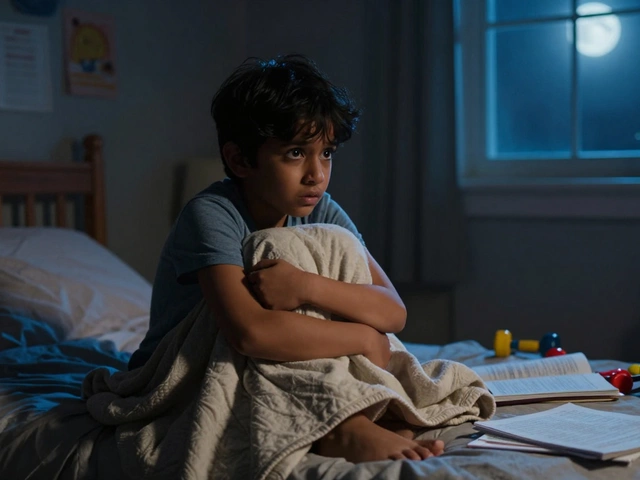
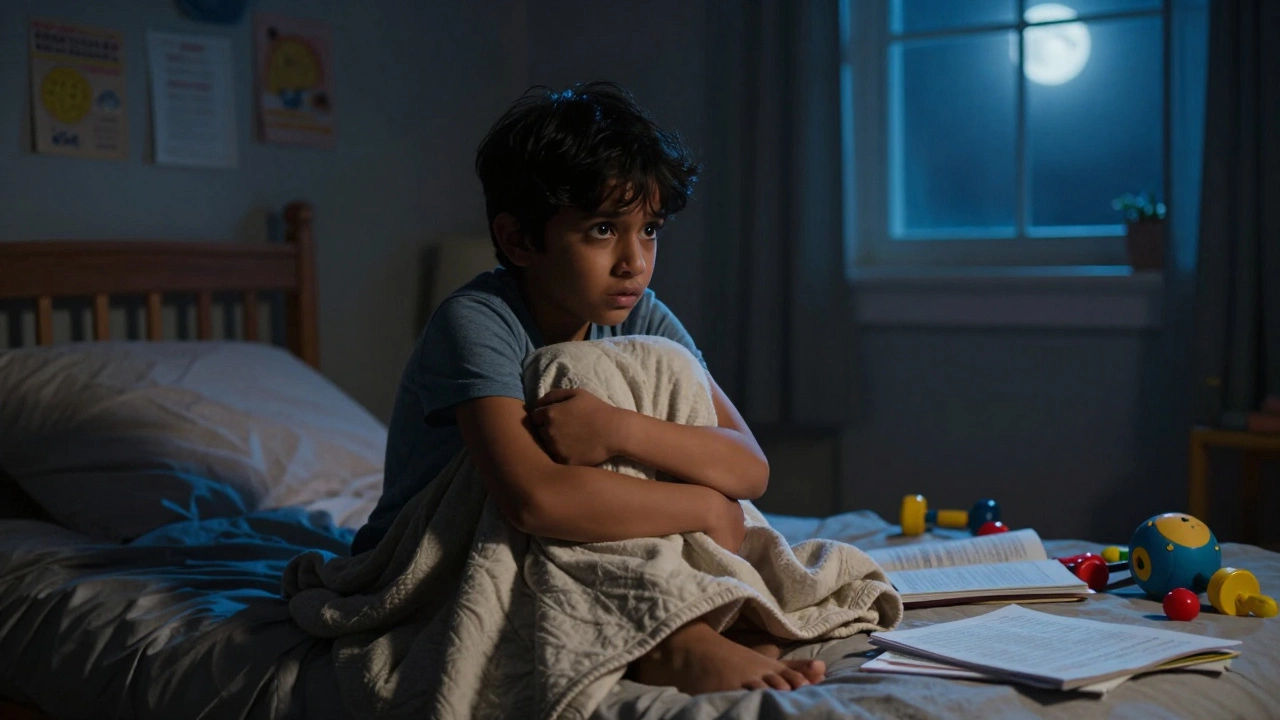
Imagine your child is fine one day-playing, laughing, doing homework-and then, overnight, they are screaming, terrified of everything, and unable to sleep. It feels like a nightmare. For parents, this sudden shift is terrifying. But here is the hard truth: this isn't just a "phase" or bad behavior. It might be a medical condition that most doctors miss because it looks exactly like a severe mental breakdown.
We often think of mental illnesses as things that develop slowly over years. Depression creeps in. Anxiety builds up. But there is a group of conditions where psychiatric symptoms appear suddenly, almost like a switch was flipped. These are some of the most overlooked mental illnesses in modern medicine. They are real, they are biological, and they are frequently misdiagnosed as primary psychiatric disorders like OCD, ADHD, or even schizophrenia.
Quick Summary: The Hidden Crisis
- PANS and PANDAS are among the most overlooked mental illnesses, characterized by sudden onset of psychiatric symptoms in children.
- Symptoms include severe OCD, tics, anxiety, and regression in school skills, often triggered by infections like Strep.
- Misdiagnosis is common; these conditions are often treated with therapy alone, missing the underlying immune response.
- Early detection requires looking for "stepwise" deterioration rather than gradual changes.
- Treatment involves addressing the immune system, not just the brain chemistry.
The Sudden Onset: When Behavior Changes Overnight
To understand why certain mental illnesses are overlooked, we have to look at how they start. Most people expect mental health issues to evolve. You feel stressed, then anxious, then depressed. It’s a slope. But with PANS (Pediatric Acute-onset Neuropsychiatric Syndrome) and its subset PANDAS (Pediatric Autoimmune Neuropsychiatric Disorders Associated with Streptococcal Infections), the timeline is different. It is vertical.
A parent might describe it as their child being "replaced." One minute, the child is functioning normally. The next, they are experiencing intense obsessions, compulsions, or rage. This abruptness is the key clue that gets missed. Because the symptoms are psychiatric, psychiatrists see them. But psychiatrists are trained to treat chemical imbalances or trauma responses, not immune system attacks on the brain.
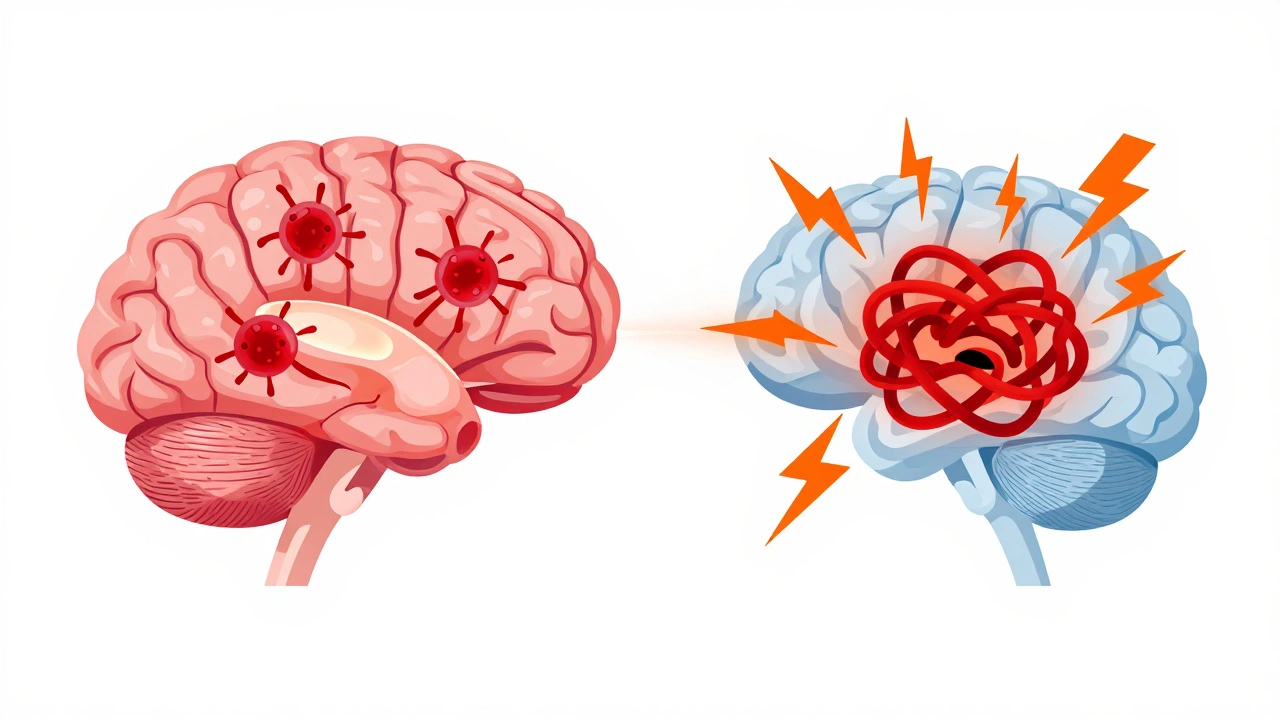
This gap in understanding leads to a dangerous cycle. The child is prescribed medication for OCD or anxiety. The medication doesn’t work because the root cause isn’t a lack of serotonin-it’s inflammation in the basal ganglia, a part of the brain that controls movement and behavior. Meanwhile, the infection or immune trigger continues to simmer, worsening the condition.
Understanding PANS and PANDAS
Let’s break down what these acronyms mean, because knowing the difference helps in seeking the right help.
PANDAS is a specific type of PANS where the sudden behavioral changes are linked directly to a Group A Beta-Hemolytic Streptococcus (GABHS) infection, commonly known as Strep throat. The theory is that the body creates antibodies to fight the Strep bacteria. However, due to a phenomenon called molecular mimicry, these antibodies mistakenly attack the brain tissue, specifically the basal ganglia. This causes the psychiatric symptoms.
PANS is the broader category. It includes all cases of sudden-onset neuropsychiatric symptoms in children, regardless of whether Strep is the trigger. Triggers for PANS can include other infections like Mycoplasma pneumoniae, Lyme disease, Epstein-Barr virus, or even non-infectious triggers like severe stress or environmental toxins. If it’s Strep-related, it’s PANDAS. If it’s something else, it’s still PANS.
Why is this overlooked? Because the diagnostic criteria are strict and not universally accepted by all medical boards. Many general practitioners and even some child psychiatrists have never heard of PANS. They see a kid with tics and OCD and assume it’s typical developmental OCD. They don’t check for recent infections. They don’t look for the "acute" nature of the onset.
The Symptoms That Don't Fit the Mold
If you are wondering if this could be happening to someone you know, look for these specific signs. Standard mental illness rarely presents with this combination of physical and psychological collapse simultaneously.
- Sudden Obsessive-Compulsive Disorder (OCD): Not just hand-washing, but severe rituals that prevent the child from leaving the house or eating.
- Emotional Lability: Extreme mood swings, rage episodes, or terror that seem disproportionate to any event.
- Tics: New onset of motor tics (eye blinking, head jerking) or vocal tics (throat clearing, barking).
- Regression: A child who could write neatly suddenly cannot hold a pencil. A child who used the toilet independently starts wetting the bed.
- Eating Disturbances: Sudden food restrictions, not based on body image, but based on sensory overload or fear.
- Physical Complaints: Urinary frequency, night sweats, or unexplained stomach pain often accompany the psychiatric symptoms.
The critical factor here is the timing. Did these symptoms appear within days or weeks of an illness? If yes, that is a red flag for PANS/PANDAS. If the symptoms developed over two years, it is likely standard OCD or anxiety.
Why Misdiagnosis Happens
The medical system is siloed. This is the biggest reason PANS remains overlooked. A pediatrician treats the Strep throat with antibiotics and sends the family home. Two weeks later, the child is having panic attacks. The parents take the child to a psychiatrist. The psychiatrist sees anxiety and prescribes an SSRI. No one connects the dots between the throat infection and the brain inflammation.
Furthermore, there is no single blood test for PANS. Doctors rely on clinical judgment. Without awareness, clinical judgment defaults to the most common diagnosis: primary psychiatric disorder. This delay in correct diagnosis can last months or even years. During this time, the child suffers, schools struggle to accommodate them, and families fall apart under the stress.
Another hurdle is stigma. Even when parents mention "autoimmune," some doctors dismiss it as alternative medicine. While PANS is controversial in some academic circles, major institutions like the National Institute of Mental Health (NIMH) have funded research into it, validating its existence as a distinct clinical entity.
How to Advocate for Correct Diagnosis
If you suspect PANS or PANDAS, you have to become an active participant in the medical process. Here is a practical checklist to navigate the system:
- Document the Timeline: Write down exactly when symptoms started. Note any illnesses, fevers, or infections in the 1-4 weeks prior. Visual timelines are powerful tools for doctors.
- Request Specific Tests: Ask for an ASO titer and Anti-DNase B test. These measure antibodies against Strep. High levels suggest a recent infection. Also ask for a CRP (C-Reactive Protein) test to check for general inflammation.
- Find a Specialist: Look for a pediatric rheumatologist or a neurologist familiar with PANS. General practitioners may not have the depth of knowledge required. Organizations like the PANDAS/PANS Association maintain directories of knowledgeable providers.
- Rule Out Other Causes: Ensure thyroid issues, lead poisoning, or structural brain abnormalities are ruled out. PANS is a diagnosis of exclusion combined with positive clinical indicators.
- Push for Immune Treatment: If diagnosed, treatment may involve IVIG (intravenous immunoglobulin), plasmapheresis, or steroids, alongside standard psychiatric care. This is a medical intervention, not just talk therapy.

Comparison: PANS vs. Typical OCD
Understanding the differences helps in communicating with healthcare providers. Use this table to clarify the distinction.
| Feature | Typical Pediatric OCD | PANS / PANDAS |
|---|---|---|
| Onset | Gradual, insidious development over months/years | Sudden, acute onset (overnight or days) |
| Trigger | Stress, genetics, environmental factors | Infection (Strep, viral, bacterial) or immune event |
| Course | Chronic, waxing and waning | Stepwise deterioration with relapses after new infections |
| Associated Symptoms | Anxiety, depression | Tics, urinary frequency, night sweats, handwriting regression |
| Response to Meds | Often responds to SSRIs and CBT | Poor response to SSRIs alone; requires immune modulation |
Other Overlooked Conditions
While PANS is a prime example, it is not alone. There are other conditions that fly under the radar because they mimic more common disorders.
Bipolar Disorder in Children: Often misdiagnosed as ADHD. Kids with bipolar don’t just have attention problems; they have cycles of extreme energy and irritability followed by deep crashes. If a child is labeled ADHD but stimulants make them worse or cause mania, bipolar should be considered.
Complex PTSD (C-PTSD): Unlike standard PTSD which follows a single traumatic event, C-PTSD comes from prolonged trauma, such as childhood neglect or abuse. It is often misdiagnosed as Borderline Personality Disorder or simple depression. The key difference is the emotional dysregulation and difficulty in relationships that stems from chronic safety threats, not just fear.
Autism Spectrum Disorder (ASD) in Girls: Boys are diagnosed with autism far more often. Girls often "mask" their symptoms, mimicking social behaviors to fit in. By the time they reach adolescence, the effort to mask leads to burnout, anxiety, and depression. They are overlooked because they don’t fit the stereotypical male presentation of autism.
The Path Forward: Integration and Awareness
The solution to overlooked mental illnesses is integration. We need a medical model that sees the body and mind as connected. A psychiatrist should ask about recent infections. A pediatrician should ask about behavioral changes. Parents need to trust their instincts when something feels "off" beyond normal developmental quirks.
For those suffering, validation is the first step toward healing. Knowing that your brain isn’t "broken" but perhaps fighting an immune battle changes everything. It shifts the narrative from blame to biology. It opens doors to treatments that actually work.
If you recognize these signs in yourself or a loved one, do not accept a quick label. Dig deeper. Ask questions. Demand a comprehensive evaluation. Your mental health is worth the investigation.
Can adults get PANS or PANDAS?
While PANS and PANDAS are defined as pediatric conditions (occurring before puberty), similar autoimmune-mediated psychiatric symptoms can occur in adults. However, the diagnosis is less clear-cut. Adults with sudden-onset OCD or psychosis after an infection may have a related condition, but it is often categorized under autoimmune encephalitis or secondary psychiatric disorders. Research is ongoing to define adult equivalents.
How long does it take to recover from PANS?
Recovery varies widely. Some children see improvement within weeks of starting immune treatments like IVIG or steroids. Others experience a chronic course with flares triggered by new infections. Early intervention generally leads to better outcomes. Long-term management often includes preventive antibiotics during flu season or stress-reduction techniques to keep the immune system calm.
Is PANDAS caused by vaccines?
No. There is no scientific evidence linking vaccines to PANDAS or PANS. The established triggers are infections, particularly Group A Strep, Mycoplasma, and certain viruses. Confusing vaccines with infectious diseases is a common misconception that hinders proper research and treatment focus.
What should I do if my doctor doesn't believe me?
Seek a second opinion from a specialist, preferably a pediatric rheumatologist or a neurologist experienced in autoimmune conditions. Bring your documented timeline and symptom list. You can also consult organizations like the PANDAS/PANS Association for provider referrals. Persistence is key, as many generalists are unfamiliar with the condition.
Are there dietary changes that help PANS?
Some families report benefits from anti-inflammatory diets, such as reducing gluten and dairy, though evidence is anecdotal. The primary treatment is medical (immune modulation). Diet can support overall health and reduce gut inflammation, which may indirectly help the immune system, but it is not a cure. Always consult a dietitian before making major changes.