What Is a Vata Person Like? Understanding Ayurveda's Vata Dosha Type
Vata Dosha Self-Assessment Quiz
How Vata Dominates Your Life
Answer 10 questions to determine your Vata dosha balance. Each question has 3 options (A, B, C) with points assigned. Your final score will show your Vata dominance level.
Your Vata Dosha Assessment
Personalized Recommendations
Have you ever met someone who’s always on the move-talking fast, jumping from one idea to the next, getting excited about new projects but struggling to finish them? Or maybe you’re that person. If so, you might be a vata person. In Ayurveda, vata is one of the three primary mind-body types, or doshas, that shape how you think, feel, and behave. Unlike modern medicine that treats symptoms, Ayurveda looks at your whole pattern-your energy, digestion, sleep, mood, and even how you move through the world. And vata is the most delicate and dynamic of the three.
What Exactly Is Vata?
Vata comes from the Sanskrit word for "wind" or "air." It’s made up of the elements air and space. Think of it as the energy of movement: breath, nerve impulses, circulation, blinking, heartbeat, even the flow of thoughts. When vata is balanced, it brings creativity, flexibility, and quick thinking. When it’s out of balance, it shows up as anxiety, insomnia, dry skin, or digestive trouble. A vata person isn’t just someone who’s "a little nervous"-they’re wired differently. Their body and mind respond to stress, cold, and routine in ways that set them apart.
Physical Traits of a Vata Person
If you’re a vata type, your body probably has some clear signs. Most vata people are naturally thin, with fine bones and little body fat. You might have dry skin that cracks in winter, cold hands and feet even in mild weather, and veins that show clearly under your skin. Your appetite can be irregular-you might skip meals without noticing, then suddenly feel ravenous. Digestion is often light and sensitive. One spicy meal, cold drink, or rushed meal can send your gut into chaos.
Your energy levels aren’t steady. You might have bursts of intense activity followed by sudden crashes. Sleep is often light and interrupted. You fall asleep easily but wake up at the slightest noise. Your eyes might be small, darting, and active. Your speech is fast, and your gestures are expressive. You’re the one who talks with their hands.
Mental and Emotional Patterns
Vata minds are brilliant, imaginative, and quick to learn. You pick up new skills fast, love learning new things, and get bored easily. But you also forget things-names, appointments, where you put your keys. Your thoughts race. You might start ten projects at once and finish none. That’s not laziness-it’s vata energy scattering.
Emotionally, vata types are sensitive and empathetic. You feel deeply, which makes you a great listener and a caring friend. But you’re also prone to anxiety, worry, and fear. A small setback can spiral into a full-blown mental loop. You overthink conversations, replay them in your head, and imagine worst-case scenarios. Change-whether it’s a new job, a move, or even a change in routine-can feel overwhelming. Stability is your greatest ally.
What Makes a Vata Person Happy?
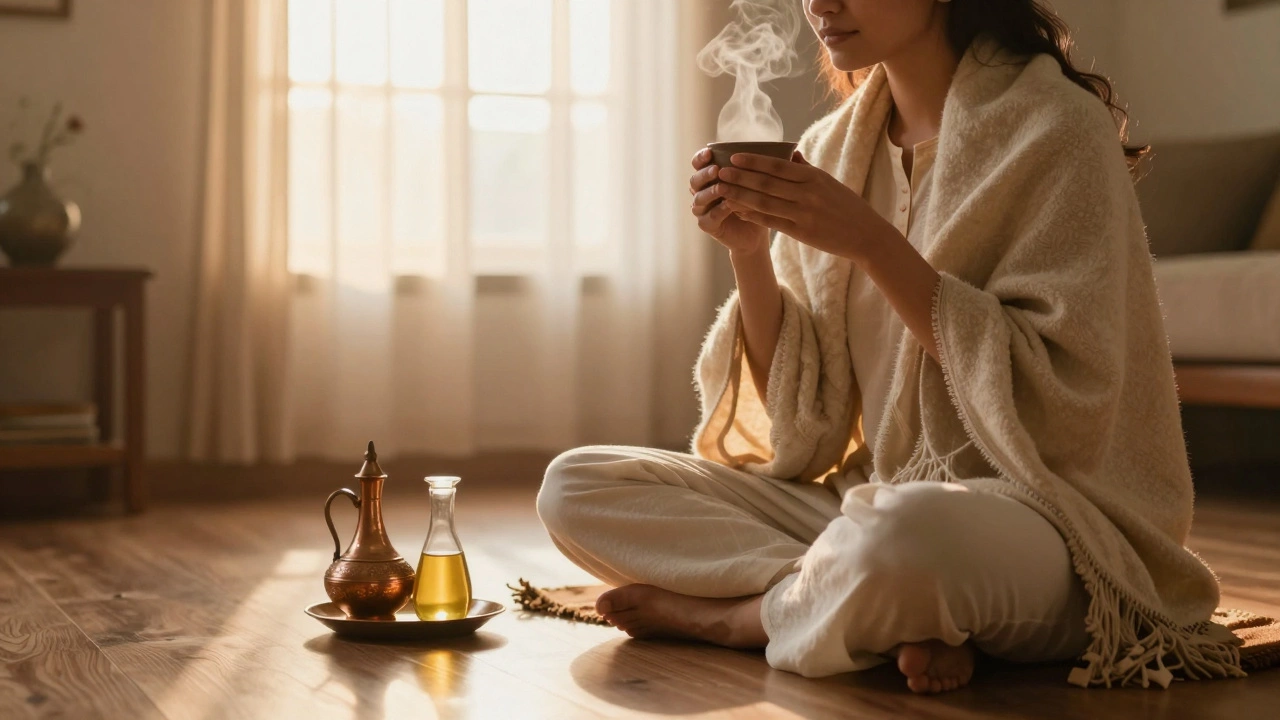
Vata thrives on routine, warmth, and grounding. You feel best when your days have rhythm: waking up at the same time, eating meals at regular hours, going to bed before 10 p.m. Warm, cooked food helps more than salads or raw veggies. Soups, stews, and meals with ghee or olive oil soothe your nervous system. Spices like ginger, cumin, and cinnamon calm vata’s chill and stimulate digestion.
Quiet time matters. You need moments of stillness-meditation, deep breathing, walking barefoot on grass. Music, especially slow, rhythmic sounds, helps center you. Warm oil massages (abhyanga) are a game-changer. Even 10 minutes a day with warm sesame oil can reduce anxiety and improve sleep.
Environment matters too. Cold, dry, windy places make vata worse. You need warmth, humidity, and soft lighting. A cozy blanket, a heated blanket at night, and warm drinks throughout the day make a big difference. Avoid caffeine and excessive screen time-both overstimulate your nervous system.
What Happens When Vata Goes Out of Balance?
When vata is too high, your body and mind start to unravel. You might experience:
- Chronic insomnia or restless sleep
- Constipation or gas
- Dry, cracked skin or brittle nails
- Heart palpitations or dizziness
- Excessive worry, fear, or panic attacks
- Difficulty focusing or memory lapses
- Feeling scattered, overwhelmed, or disconnected
These aren’t just "bad days." They’re signs your system is running on empty. Vata doesn’t store energy well. When you push too hard, skip meals, or stay up late, you’re tapping into a reserve that doesn’t exist. The result? Burnout. And recovery takes longer than you think.
How Vata Compares to Other Doshas
To understand vata better, it helps to see how it’s different from the other two doshas: pitta and kapha.
| Characteristic | Vata | Pitta | Kapha |
|---|---|---|---|
| Element | Air + Space | Fire + Water | Earth + Water |
| Body Type | Thin, light, dry | Moderate, muscular | Heavy, sturdy |
| Energy Level | Erratic, bursts | Strong, focused | Slow, steady |
| Mind Style | Quick, creative, scattered | Sharp, analytical, competitive | Calming, loyal, patient |
| Stress Response | Anxiety, fear | Irritability, anger | Withdrawal, lethargy |
| Best For | Warmth, routine, grounding | Cooling, calm, structure | Stimulation, activity, lightness |
Most people have a mix of doshas, but one usually dominates. If you’re mostly vata, you’ll feel most at home with the rhythms and remedies that calm wind and space-not fire or earth.
Real-Life Examples of Vata in Action
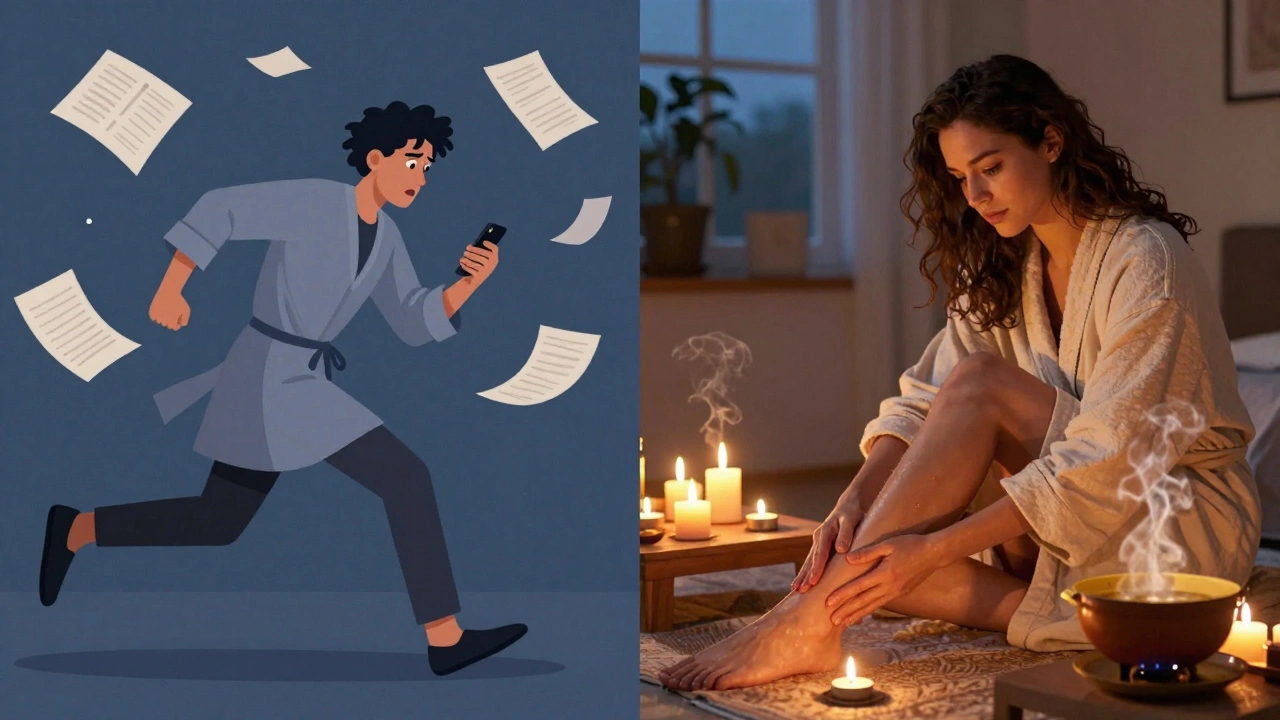
Imagine a freelance graphic designer who works late into the night, survives on coffee and snacks, and changes plans every day. They’re brilliant, full of ideas, and always starting new projects. But they’re exhausted, can’t sleep, and feel like they’re running on fumes. That’s vata imbalance.
Or think of a college student who’s always texting, scrolling, jumping between apps, and forgetting to eat. They’re energetic in class but crash by 4 p.m. They’re sensitive to criticism and overanalyze every comment. That’s vata in overdrive.
Now picture someone who wakes up at 6 a.m., drinks warm water with lemon, eats a cooked breakfast at 7:30, takes a walk after lunch, and is in bed by 9:30. They meditate for 10 minutes daily. They feel calm, clear-headed, and steady-even during busy weeks. That’s a balanced vata person.

How to Balance Vata Daily
Balance isn’t about fixing something broken. It’s about creating the right conditions for your natural energy to flow. Here’s what works:
- Wake up early-before 7 a.m. This aligns with the natural calm of morning.
- Eat warm, moist, cooked meals-avoid raw salads, cold drinks, and popcorn.
- Drink warm water throughout the day, especially with ginger or fennel.
- Use oil-massage your body with warm sesame or almond oil 2-3 times a week.
- Stick to a schedule-even on weekends. Same wake-up, meal, and bedtime.
- Limit screens after 7 p.m.-blue light spikes vata and ruins sleep.
- Practice slow breathing-try 4-7-8 breathing: inhale for 4, hold for 7, exhale for 8.
- Choose calming activities-yoga, tai chi, journaling, listening to music.
Small habits, repeated daily, create lasting change. You don’t need to overhaul your life. Just add one thing: a warm drink before bed. Or five minutes of stillness in the morning. That’s enough to start tipping the scales back toward balance.
What Vata People Should Avoid
Some things make vata worse-and you might not even realize it:
- Skipping meals or eating on the go
- Drinking iced tea, soda, or cold water
- Excessive travel or constant change
- Listening to fast-paced music or loud environments
- Working late into the night
- Using stimulants like caffeine or energy drinks
- Living in cold, dry climates without support
If you’re a vata person and you do any of these regularly, you’re not "just being lazy" or "unorganized." You’re fighting your own biology. The solution isn’t willpower-it’s alignment.
Final Thought: Vata Is Not a Flaw
Being a vata person isn’t a problem to fix. It’s a unique way of being. You’re the dreamer, the innovator, the one who sees possibilities others miss. But without structure, your brilliance burns out. Balance isn’t about becoming someone else. It’s about giving your natural gifts the space to thrive.
When vata is in harmony, you’re not just calm-you’re inspired. Not just rested-you’re clear. Not just steady-you’re creative in a way that moves people. That’s the real power of vata. It’s not about being perfect. It’s about being in rhythm with yourself.
Can a person have more than one dosha?
Yes. Most people are a combination of two doshas, with one being dominant. For example, vata-pitta or vata-kapha types are common. A vata-pitta person might be creative and quick-thinking (vata) but also intense and driven (pitta). Understanding your mix helps you tailor your lifestyle better than focusing on just one dosha.
Is vata always associated with anxiety?
No. Anxiety is a sign of vata imbalance, not vata itself. A balanced vata person is imaginative, adaptable, and joyful. They may be energetic and spontaneous, but they’re not anxious. Anxiety shows up when routines break down, when you’re cold, or when you’re overstimulated. Restoring rhythm calms the mind.
Can vata people gain weight?
Yes, but it’s less common. Vata types usually stay lean because their metabolism is fast and irregular. However, if vata becomes severely imbalanced and the body goes into survival mode, it can start storing fat as a protective response. This often happens with chronic stress, poor sleep, or emotional eating. The key is restoring digestion and reducing stress-not just eating less.
What foods are best for a vata person?
Warm, moist, and well-cooked foods work best. Think soups, stews, oatmeal, rice, cooked vegetables, ghee, nuts, and sweet fruits like bananas and mangoes. Spices like cumin, ginger, cinnamon, and cardamom help digestion. Avoid raw salads, cold drinks, carbonated beverages, and dried fruit in excess.
Does vata change with seasons?
Yes. Vata increases in fall and early winter-when it’s cold, dry, and windy. That’s why many vata people feel more anxious, dry, or restless during these months. Spring and summer are more calming. Adjusting your routine seasonally-eating warmer foods in fall, using more oil, going to bed earlier-is key to staying balanced year-round.
If you’re a vata person, the best thing you can do is stop fighting your nature and start supporting it. Your mind is fast, your spirit is free, and your creativity is real. You don’t need to slow down to be successful-you need to ground yourself so your energy can last.