What Actually Destroys Your Liver? Common Culprits and Risks
Liver Risk Factor Explorer
Select a common liver stressor to learn about its mechanism, onset speed, and potential for recovery.
Click on a stressor on the left to see detailed information.
Liver damage isn't always a slow burn. While some things take decades to cause harm, others can trigger acute liver failure in a matter of days. If you are taking a cocktail of supplements or mixing medications, you might be putting your liver under more stress than you realize.
Главные выводы / Key Takeaways
- Excessive alcohol and high-fructose diets are the most common long-term drivers of liver disease.
- Certain herbal supplements, especially those marketed for weight loss or muscle growth, can be toxic.
- Overusing over-the-counter painkillers like acetaminophen is a leading cause of acute liver failure.
- Fatty liver disease (NAFLD) is now more common in some regions than alcohol-related damage.
The Hidden Danger in Your Supplement Cabinet
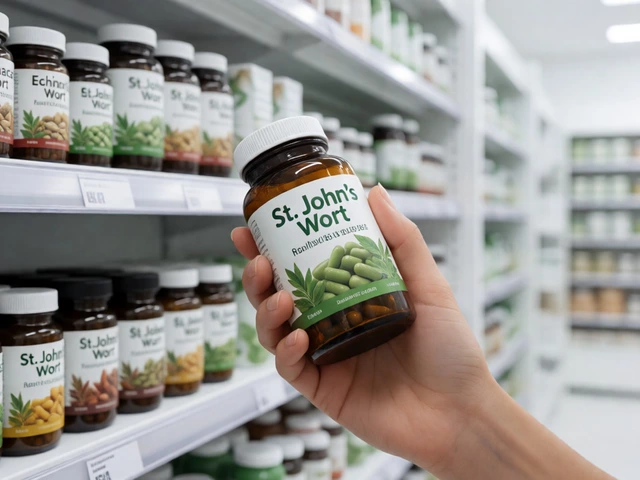
There is a common misconception that "natural" means "safe." This is a dangerous line of thinking. In reality, the liver is the primary organ responsible for breaking down the compounds found in plants. When you take a concentrated extract, you are flooding your liver with substances it wasn't designed to handle in such high doses.
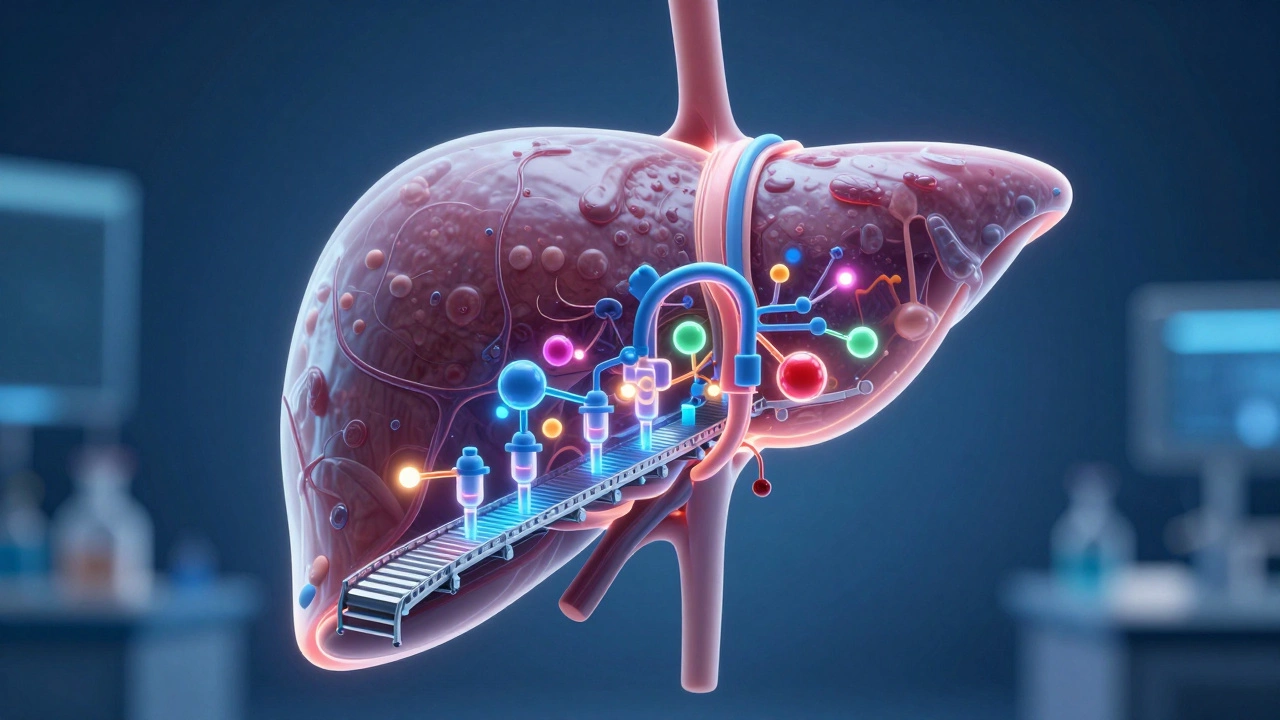
Hepatotoxicity is the chemical-driven toxicity of the liver. It happens when a substance-whether a drug or a plant extract-creates toxic metabolites that kill liver cells (hepatocytes). For example, some people turn to Kava Kava for anxiety, but it has been linked to severe liver failure in several countries, leading to bans in parts of Europe.
Another culprit is the "weight loss" world. Many unregulated supplements contain ingredients like Green Tea Extract (GTE) in high concentrations. While drinking a cup of green tea is healthy, taking a high-dose EGCG supplement can, in rare cases, cause acute liver injury. The problem is often not the plant itself, but the concentration and the lack of oversight in how these products are manufactured.
The Acetaminophen Trap
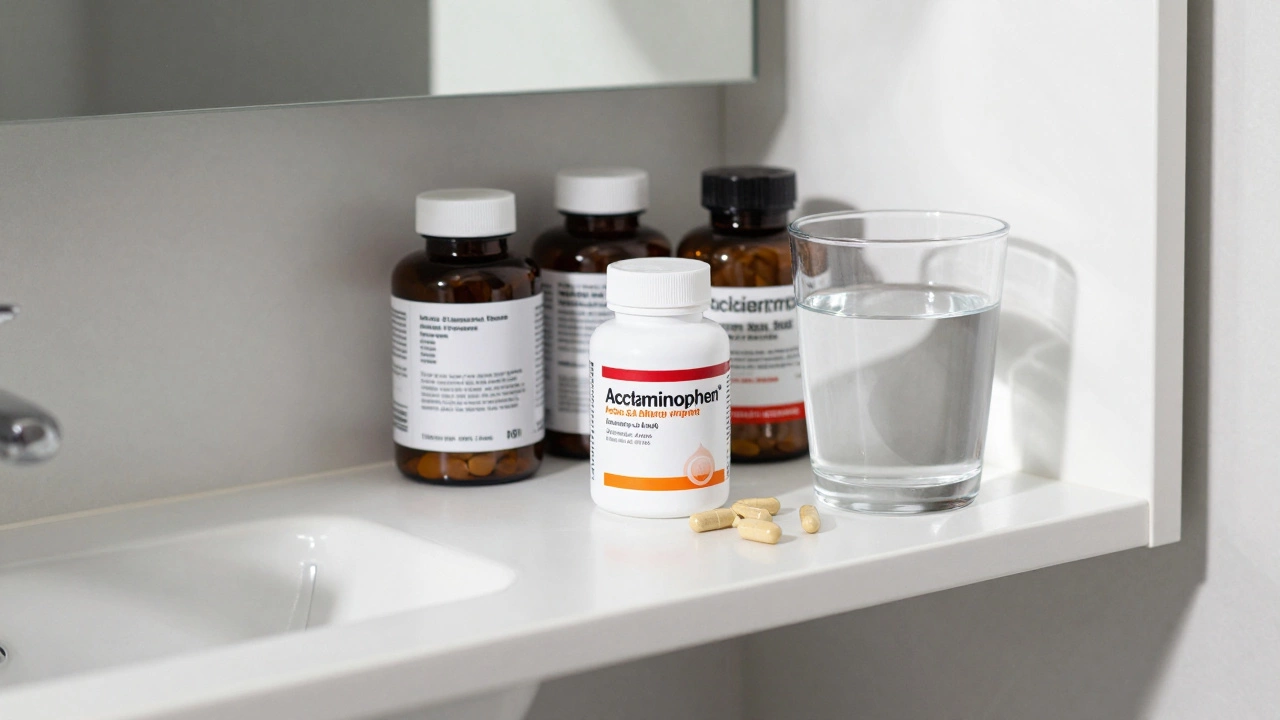
You probably have a bottle of Tylenol or Panadol in your house. These contain Acetaminophen, which is a common analgesic and antipyretic medication used to treat pain and fever. Under normal doses, it is perfectly safe. However, it is one of the most common causes of acute liver failure in the Western world.
The danger arises when people "double up" without realizing it. You might take a painkiller for a headache and then take a "multi-symptom" cold medicine that also contains acetaminophen. Once you cross a certain threshold-usually around 4 grams in 24 hours for a healthy adult-the liver can't process the drug fast enough. This leads to the buildup of a toxic byproduct called NAPQI, which destroys liver cells rapidly. This risk skyrockets if you've had a few drinks, as alcohol depletes the glutathione your liver needs to neutralize that toxin.
Sugar, Fat, and the Modern Liver
Alcohol gets all the bad press, but sugar is often just as destructive. We are seeing a massive spike in Non-Alcoholic Fatty Liver Disease (NAFLD), which is a condition where excess fat builds up in the liver of people who drink little to no alcohol. This is largely driven by high-fructose corn syrup.
Unlike glucose, which every cell in your body can use for energy, fructose is processed almost exclusively by the liver. When you flood your system with soda or processed sweets, the liver converts that excess fructose into fat. Over time, this fat triggers inflammation, leading to a more severe condition called NASH (Non-Alcoholic Steatohepatitis). This can eventually cause scarring, known as cirrhosis, where the liver becomes so stiff it can no longer function.
| Stressor | Mechanism of Damage | Onset Speed | Reversibility |
|---|---|---|---|
| Acetaminophen Overdose | Toxic metabolite (NAPQI) buildup | Hours to Days | Possible if treated early |
| Chronic Alcohol Use | Oxidative stress and inflammation | Years | Partial to None (depending on stage) |
| High Fructose Diet | Lipogenesis (fat accumulation) | Years | High (via weight loss) |
| Toxic Herbal Extracts | Direct hepatocyte poisoning | Days to Weeks | Variable |
Alcohol: The Classic Destroyer
We can't talk about liver destruction without mentioning Ethanol, the active ingredient in alcohol. The liver treats alcohol as a toxin and prioritizes its breakdown over everything else. This process creates acetaldehyde, a highly reactive chemical that damages DNA and prevents the liver from performing its other 500+ functions.
The real danger is the "stealth" damage. You don't feel your liver failing until it is almost too late because the organ doesn't have many pain receptors. By the time you see jaundice (yellowing of the eyes and skin) or feel severe abdominal swelling (ascites), the liver has likely reached a state of advanced cirrhosis. This is where healthy tissue is replaced by permanent scar tissue.
How to Spot the Warning Signs
Since the liver is so stoic, you have to look for subtle clues that something is wrong. One of the first signs of liver stress is often profound fatigue. Not just "I need a nap" tired, but a deep, systemic exhaustion that doesn't go away with sleep.
Other red flags include:
- Dark-colored urine (resembling tea or cola).
- Pale or clay-colored stools.
- Itchy skin (pruritus) caused by the buildup of bile salts in the blood.
- Swelling in the ankles, legs, or abdomen.
- A yellowish tint to the whites of the eyes.
If you are taking a new herbal supplement and notice any of these, stop immediately. Some people experience an "idiosyncratic reaction," meaning their specific genetics make them hypersensitive to a particular plant extract that others can tolerate.
Protecting Your Liver in a Chemical World
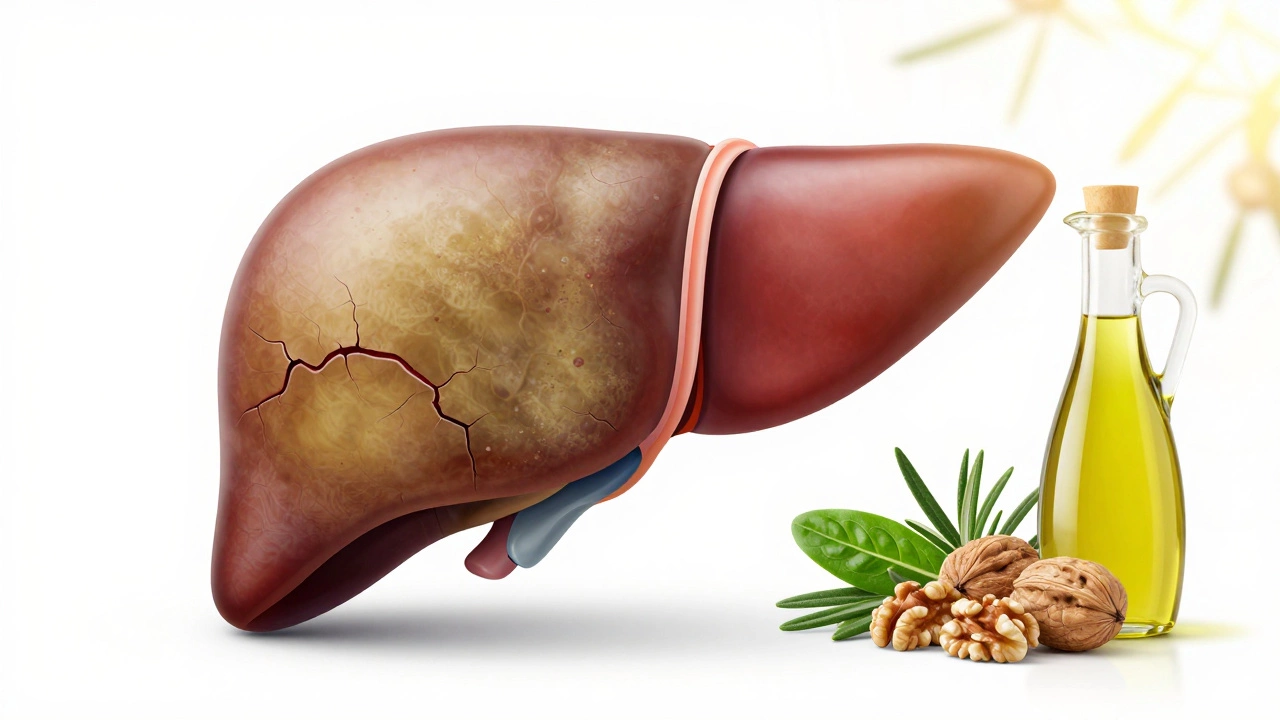
The good news is that the liver is the only organ that can truly grow back. If you catch the damage early, you can often reverse the inflammation and fat buildup. The best way to protect it isn't by buying a "liver cleanse"-which are often just expensive diuretics-but by reducing the load you put on it.
Start by auditing your supplements. Do you actually need that "fat burner" or that mystery herbal blend? Check if they are certified by a third party to ensure they aren't contaminated with heavy metals or undisclosed pharmaceuticals. Be mindful of your sugar intake, especially liquid sugars like sodas and sweetened coffees. Finally, if you use painkillers, stick to the lowest effective dose and never mix them with alcohol.
Are liver detox kits actually helpful?
Generally, no. Your liver is the detox kit. It filters toxins 24/7. Most commercial detox products are either harmless fillers or, in some cases, contain laxatives and diuretics that can actually dehydrate you and put more stress on your kidneys and liver. The best "detox" is drinking plenty of water and eating a balanced diet to let the liver do its job naturally.
Can a liver completely heal after cirrhosis?
Once the liver has progressed to full cirrhosis (extensive scarring), the damage is generally permanent. However, the liver can still function and stop the progression if the cause-such as alcohol or a specific virus-is removed. In extreme cases, the only cure for end-stage liver failure is a liver transplant.
Which herbal supplements are most dangerous for the liver?
While it varies by person, substances like Kava Kava and high-dose concentrated Green Tea Extracts have been linked to liver injury. Some traditional herbs used for weight loss or bodybuilding (like certain anabolic herbal blends) can also be hepatotoxic. Always consult a doctor before starting high-dose extracts.
How does fructose damage the liver differently than glucose?
Glucose can be used by almost any cell in the body for energy. Fructose, however, must be processed by the liver. When there is too much fructose, the liver converts it into triglycerides (fat) through a process called de novo lipogenesis. This fat stays in the liver cells, causing inflammation and potentially leading to Non-Alcoholic Fatty Liver Disease.
Is it possible to damage your liver with just vitamins?
Yes, though it's rare. Extremely high doses of certain fat-soluble vitamins, like Vitamin A, can be toxic to the liver if taken over a long period. This is why it's important to follow the Recommended Dietary Allowance (RDA) rather than taking "mega-doses" without medical supervision.
What to do next
If you're worried about your liver health, the first step is a simple blood test called a Liver Function Test (LFT). This checks for enzymes like ALT and AST, which leak into your blood when liver cells are damaged. If you've been taking a variety of supplements and feel sluggish or notice skin changes, talk to a healthcare provider about these specific products.
For those looking to recover, focus on a Mediterranean-style diet rich in leafy greens and healthy fats. Avoid the temptation to replace one supplement with another "liver support" pill; instead, give your organ the space it needs to heal by removing the stressors first.