Is It Safe to Get Surgery in Costa Rica? Real Risks and Reliable Facts
Costa Rica Surgery Cost Calculator
Procedure Selection
Cost Comparison
Costs shown are estimates. Actual prices vary by clinic quality and location. Top accredited hospitals (JCI) charge closer to the upper range shown below.
Cost Range: $0 to $0
Safety Verification
Is This Clinic Safe?
Top clinics like Hospital CIMA, Clinica Biblica, and Hospital La Catolica have JCI accreditation.
More than 100,000 people from the U.S. and Canada travel to Costa Rica each year for surgery. Why? Prices for a knee replacement can be 70% lower than in the U.S. A tummy tuck costs around $4,500 instead of $12,000. Dental implants? Half the price. But before you book your flight, you need to know: is it safe to get surgery in Costa Rica?
Costa Rica’s hospitals meet U.S. standards
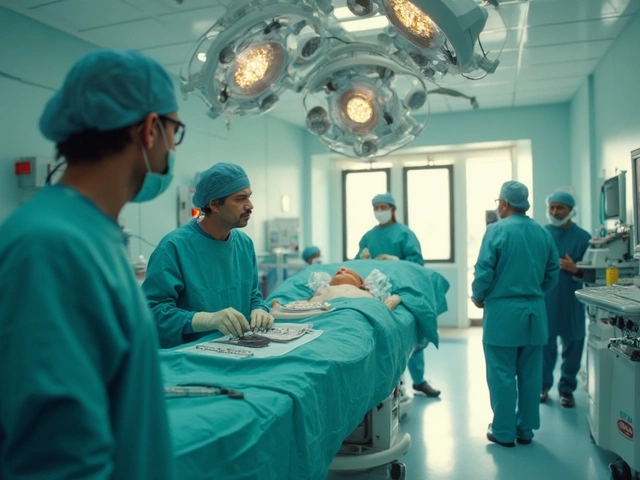
Not all clinics are the same, but the top hospitals in Costa Rica are accredited by the Joint Commission International (JCI)-the same group that certifies hospitals in the U.S. and Europe. Hospitals like Hospital CIMA in San José, Clinica Biblica, and Hospital La Catolica have JCI accreditation. That means they follow the same infection control protocols, staff training standards, and patient safety rules as Johns Hopkins or Mayo Clinic. They use the same surgical equipment, same sterile techniques, and same electronic medical records. You won’t find outdated tools or unlicensed staff in these places.
Doctors in these hospitals are often trained in the U.S. or Europe. Many completed residencies in states like California, Texas, or New York. Some even hold dual licenses. Surgeons who specialize in orthopedics, cosmetic procedures, or cardiac care regularly attend international conferences and publish in global journals. If you’re getting a hip replacement or breast augmentation, you’re likely being operated on by someone who’s done hundreds of these exact procedures.
The cost savings are real-but not all cheap options are safe
Costa Rica’s lower costs come from lower overhead, not lower quality. Salaries for doctors and nurses are lower than in the U.S., but not so low that corners are cut on safety. Medications are sourced from FDA-approved suppliers. Anesthesia machines are modern. Operating rooms are cleaned and inspected daily. The savings come from fewer administrative layers, no malpractice insurance premiums as high as in the U.S., and a lower cost of living.
But here’s the catch: not every clinic offering $1,500 liposuction is trustworthy. Avoid places that don’t list their JCI accreditation on their website. Don’t go to a clinic that doesn’t show you the surgeon’s credentials. If the price seems too good to be true-like a full spinal fusion for $3,000-it probably is. The average cost for that procedure in Costa Rica is $12,000-$15,000. Anything under $8,000 should raise red flags.
What surgeries are commonly done in Costa Rica?
Costa Rica is known for a few high-volume procedures with excellent outcomes:
- Orthopedic surgery: Knee and hip replacements are the most common. Success rates match U.S. averages-over 95% patient satisfaction.
- Plastic and cosmetic surgery: Breast augmentations, tummy tucks, and rhinoplasty are popular. Many patients choose Costa Rica because they can recover in a quiet beach town while saving thousands.
- Dental work: Full mouth reconstructions, implants, and veneers are done with the same materials used in the U.S. Labs in San José produce crowns that meet ISO standards.
- Cardiac procedures: Angioplasty and bypass surgery are available at top-tier hospitals with success rates above 97%.
These aren’t experimental procedures. These are routine surgeries performed daily in hospitals that treat both locals and international patients. In fact, Costa Rica’s healthcare system is ranked higher than the U.S. in patient satisfaction by the World Health Organization.

What are the real risks?
Yes, there are risks-but they’re not unique to Costa Rica. Any surgery carries infection risk, blood clots, or anesthesia complications. The difference? In Costa Rica, you’re less likely to face language barriers. Most medical staff speak fluent English. Nurses often have experience working with U.S. patients. Hospitals provide translators if needed.
Post-op complications can happen anywhere. But in Costa Rica, follow-up care is often included in your package. Many clinics offer 7-14 days of recovery lodging, nursing visits, and physical therapy. If you have a problem after returning home, most hospitals have international patient coordinators who can communicate with your local doctor via email or video call.
The biggest risk isn’t the surgery-it’s choosing the wrong provider. Don’t book through a third-party broker who doesn’t visit the clinic. Don’t pick a surgeon based on Instagram ads. Always ask for before-and-after photos of real patients. Request to speak with someone who had the same surgery last month.
How to pick a safe hospital and surgeon
Here’s what actually works:
- Check JCI accreditation on the hospital’s official website. Look for the official JCI logo and verification number.
- Search the surgeon’s name on LinkedIn or their hospital profile. Look for their medical school, residency, and board certifications.
- Ask for patient testimonials with names and dates-not just generic reviews on TripAdvisor.
- Confirm the hospital has an ICU and emergency response team on-site 24/7.
- Get a written quote that includes pre-op tests, surgery, anesthesia, hospital stay, and post-op care. No hidden fees.
Don’t be afraid to call the hospital directly. Ask: "Can I speak to the surgeon who will perform my procedure?" If they say no, walk away.
What happens if something goes wrong?
Most reputable clinics offer a warranty. For joint replacements, many guarantee the implant for life. If an infection occurs within 30 days, they’ll cover the cost of correction surgery-even if you’re back home. Some even cover your return flight.
Medical malpractice laws in Costa Rica are different. You can’t sue for punitive damages like in the U.S. But hospitals are required to carry liability insurance. If something serious happens, they’ll settle quickly to protect their reputation. Most international patients report that clinics handle complications with professionalism and urgency.
Still, it’s smart to buy travel medical insurance that covers complications from elective surgery abroad. Companies like Allianz Travel and GeoBlue offer plans specifically for medical tourists.
Recovery: Better than you think
Recovering in Costa Rica isn’t just cheaper-it’s often more relaxing. Many patients choose to stay in nearby towns like Tamarindo, Jaco, or San José’s quieter neighborhoods. You’ll get fresh food, gentle physical therapy, and a calm environment. No hospital noise. No rushed discharge. Many clinics partner with recovery villas that offer daily check-ins, meals, and transportation.
One patient from Chicago had a knee replacement in San José. She stayed in a recovery villa for 10 days, walked on her new knee by day three, and flew home feeling stronger than she had in years. "I didn’t feel like a patient," she said. "I felt like I was on a healing vacation."
Final answer: Is it safe?
Yes-if you do your homework. Surgery in Costa Rica is safe when you choose accredited hospitals, licensed surgeons, and transparent pricing. It’s not a gamble. It’s a well-established option for people who want quality care without U.S. prices.
The risks are manageable. The savings are real. The outcomes are comparable. Thousands of people go every year and come back with better health and more money in their pocket. The difference between success and failure isn’t the country-it’s the choice you make before you book your flight.
Is surgery in Costa Rica cheaper than in the U.S.?
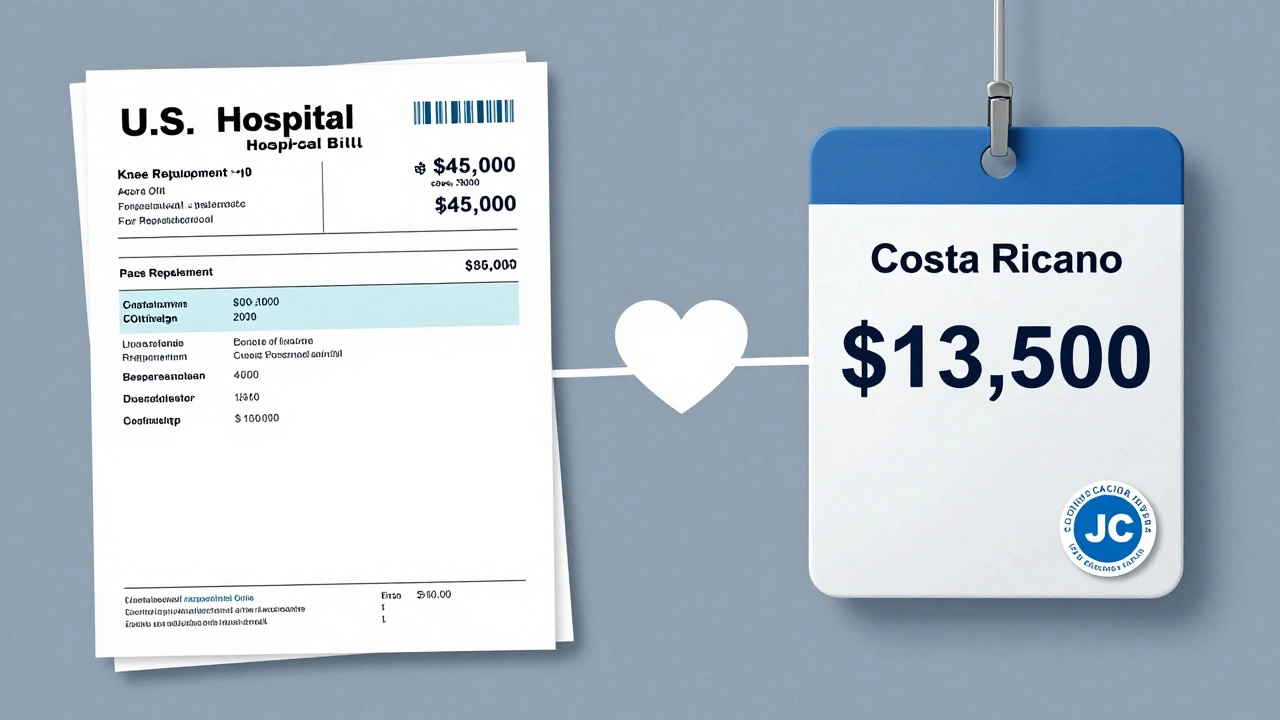
Yes, significantly. A hip replacement that costs $45,000 in the U.S. typically costs $12,000-$15,000 in Costa Rica. Dental implants are 60-70% cheaper. Cosmetic procedures like breast lifts or tummy tucks can be 70% less. These savings come from lower operating costs, not lower standards.
Are Costa Rican doctors qualified?
Many are. Top surgeons have trained in the U.S., Canada, or Europe. They hold board certifications from recognized medical boards. Some have dual licenses. Always check their credentials on the hospital’s website or LinkedIn. Avoid surgeons who won’t show you their education history or who only use stock photos.
Do Costa Rican hospitals follow U.S. safety standards?
The best ones do. Hospitals with JCI accreditation follow the same infection control, equipment, staffing, and patient safety rules as top U.S. hospitals. Look for the JCI logo and verify it on the Joint Commission’s official site. Not every clinic has it-so don’t assume.
What if I have a complication after returning home?
Reputable clinics offer post-op support even after you leave. They’ll communicate with your local doctor, send medical records, and often cover the cost of revision surgery if it’s due to their care. Always ask about their complication policy before booking. Some include return flights or recovery stays.
Is medical tourism to Costa Rica legal?
Yes, completely. Costa Rica welcomes medical tourists and has no restrictions on foreign patients. U.S. and Canadian citizens don’t need a special visa for medical stays under 90 days. Your insurance may not cover it, but the procedure itself is legal and regulated by Costa Rica’s Ministry of Health.
How do I avoid scams?
Never book through a broker who doesn’t visit the clinic. Avoid clinics that don’t list surgeon names or credentials. Don’t pay full upfront-use escrow services or pay in stages. Check reviews on independent sites like RealSelf or PatientReview. If the price seems too low, it’s a red flag.
If you’re considering surgery abroad, Costa Rica is one of the most reliable options. The key isn’t avoiding risk-it’s managing it with smart choices. Do the research. Ask the hard questions. And you’ll walk out of the hospital not just healed, but smarter.