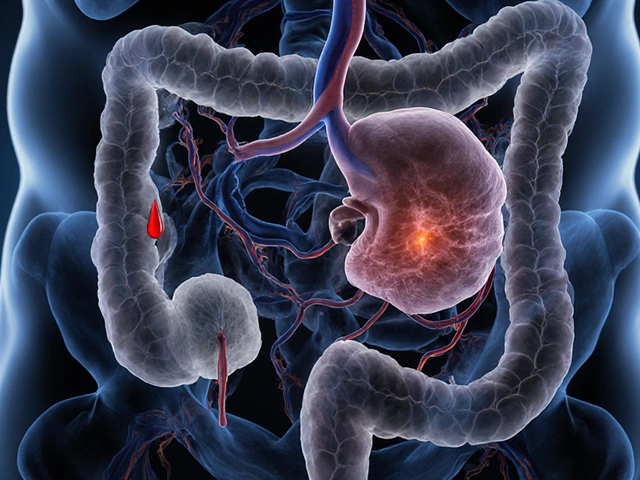
How to Lose 20 Pounds After 50: Safe Strategies and Clinic Options
Post-50 Weight Loss & Protein Calculator
Enter your details to see how long it will take to reach your goal safely and what your nutritional needs are.
Turning 50 feels like a biological plot twist. The diets that worked in your thirties suddenly stop working, or worse, they make you gain weight. You might be asking yourself how to lose 20 pounds fast without wrecking your health or losing the muscle you’ve spent decades building. It is a frustrating reality for many people over 50, but it is not a dead end. Your body has changed, so your strategy must change too.
The goal here isn't just about hitting a number on the scale. It is about doing it in a way that protects your joints, keeps your heart healthy, and actually sustains the weight loss. Losing weight quickly after 50 requires a different approach than rapid crash diets. We need to focus on metabolic health, protein intake, and sometimes, professional support from specialized facilities.
Why Weight Loss Changes After 50
To understand how to fix the problem, we first have to look at what broke. Around age 50, two major physiological shifts occur: sarcopenia and hormonal changes. Sarcopenia is the natural loss of skeletal muscle mass. Muscle tissue burns more calories at rest than fat tissue does. As you lose muscle, your basal metabolic rate (BMR) drops. This means you burn fewer calories just existing.
For women, menopause brings a significant drop in estrogen. Estrogen helps regulate insulin sensitivity and where your body stores fat. When levels drop, fat tends to move from hips and thighs to the abdomen. Visceral fat-the kind around your organs-is metabolically active and linked to higher risks of type 2 diabetes and heart disease. For men, testosterone levels gradually decline, leading to similar effects: less muscle, more belly fat, and lower energy levels.
This doesn’t mean weight loss is impossible. It means that cutting calories alone often backfires. If you simply eat less without addressing muscle preservation, your body goes into survival mode, slowing your metabolism further. You feel hungry, tired, and frustrated. The solution lies in feeding the muscle while starving the fat.
The Role of Protein and Strength Training
If there is one non-negotiable rule for losing weight after 50, it is this: prioritize protein. Most adults are told to aim for 0.8 grams of protein per kilogram of body weight. That recommendation is outdated for anyone trying to lose weight or maintain muscle mass. Recent research suggests aiming for 1.2 to 1.6 grams per kilogram of lean body mass.
Protein serves two critical functions here. First, it has a high thermic effect. Your body uses more energy to digest protein than it does for carbs or fats. Second, it provides the amino acids necessary to repair and build muscle. Without adequate protein, strength training becomes counterproductive because your body lacks the raw materials to recover.
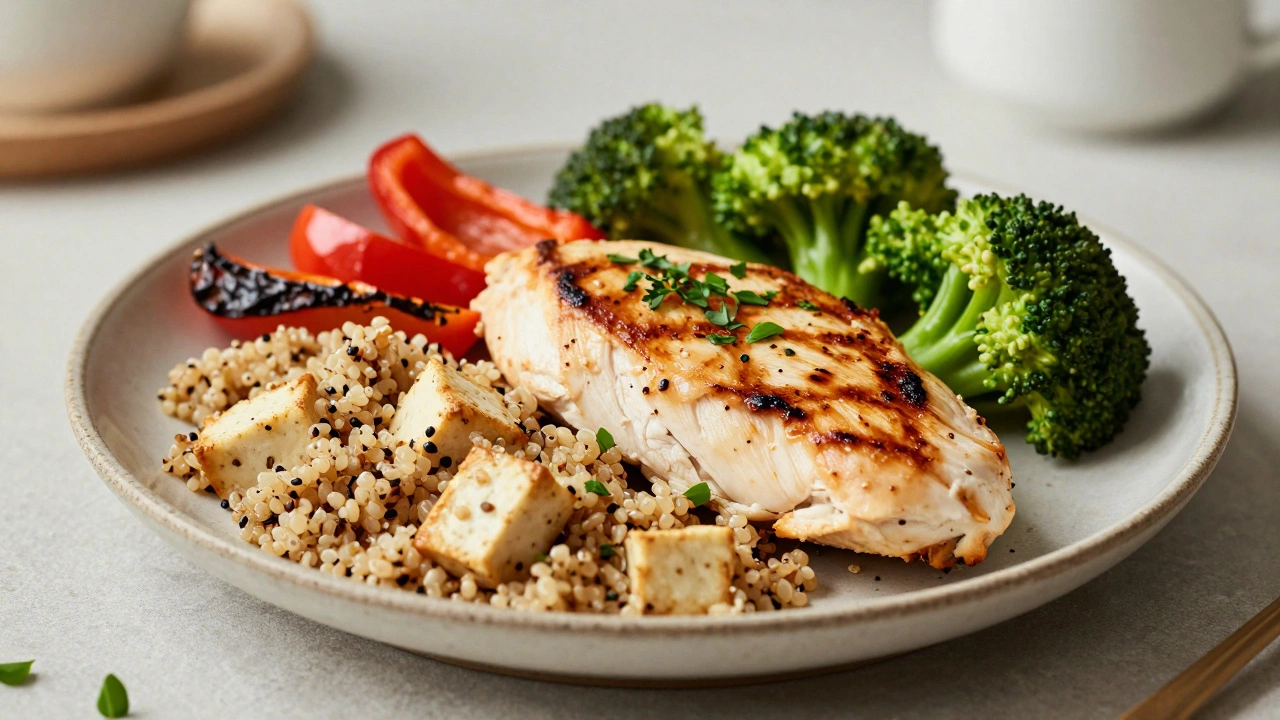
Consider a day of eating. Instead of a bagel for breakfast, try eggs with spinach. Swap the afternoon cookie for Greek yogurt with berries. Have grilled chicken or tofu with quinoa for dinner. These small swaps increase your protein intake without drastically changing your routine. Pair this with resistance training-lifting weights, using resistance bands, or doing bodyweight exercises-at least two to three times a week. Cardio is great for heart health, but strength training is what reshapes your body composition.
When Diet and Exercise Aren't Enough
Sometimes, despite doing everything right, the scale refuses to budge. This is where genetics, chronic stress, or underlying medical conditions like hypothyroidism or PCOS can interfere. This is also when considering professional help becomes a smart move rather than a last resort. Many people turn to weight loss clinics when self-directed efforts stall.
A weight loss clinic is a specialized medical facility that provides comprehensive, supervised programs for individuals struggling with obesity or difficult-to-lose weight, combining medical oversight, nutritional counseling, and behavioral therapy. Unlike generic diet plans, these clinics offer personalized protocols based on blood work, metabolic testing, and individual health history.
In places like London, you will find a mix of private clinics and NHS-supported services. Private clinics often provide faster access and more intensive monitoring. They may offer medically supervised very-low-calorie diets (VLCDs), which can lead to rapid initial weight loss under strict supervision. However, the key difference between a safe clinic program and a dangerous crash diet is the presence of healthcare professionals monitoring your electrolytes, liver function, and overall well-being.
Evaluating Weight Loss Clinics
Not all clinics are created equal. Some are legitimate medical centers; others are marketing-driven businesses selling expensive supplements with little scientific backing. How do you tell the difference? Look for credentials. A reputable clinic should be led by registered medical doctors (MDs) or certified nutritionists who are licensed to practice medicine.
Ask about their approach. Do they rely solely on prescription medications like semaglutide (Wegovy/Ozempic)? While these drugs are effective, they work best when combined with lifestyle changes. A good clinic will integrate medication with dietary education and exercise planning. They should also discuss long-term maintenance, not just the initial drop in pounds.
Consider the cost. In the UK, private weight loss programs can range from £500 to several thousand pounds depending on the intensity and duration. Check if your insurance covers any part of it, though coverage for cosmetic weight loss is rare. Compare this against the potential costs of untreated obesity-related conditions, such as joint replacements or cardiac care. Sometimes, the investment in a structured program pays off in prevented future medical bills.
| Approach | Speed of Results | Muscle Preservation | Sustainability | Cost |
|---|---|---|---|---|
| Crash Diets | Very Fast | Poor | Low | Low |
| Lifestyle Change Only | Moderate | Good | High | Low |
| Weight Loss Clinics | Fast to Moderate | Excellent | Medium to High | High |
| GLP-1 Medications | Fast | Moderate | Medium | High |
Sleep, Stress, and the Hidden Saboteurs
You can eat perfectly and train hard, but if you sleep five hours a night and live in a state of chronic stress, weight loss will be incredibly difficult. Cortisol, the stress hormone, promotes fat storage, particularly in the abdominal area. Poor sleep disrupts ghrelin and leptin, the hormones that control hunger and fullness. When you are sleep-deprived, you crave sugar and carbs, and your body holds onto fat more tightly.
Prioritize seven to nine hours of quality sleep. Create a bedtime routine that screens out blue light from phones and tablets. Manage stress through mindfulness, walking in nature, or hobbies that bring joy. These aren't just "wellness" buzzwords; they are physiological necessities for regulating the hormones that dictate weight management.

Setting Realistic Expectations
Losing 20 pounds "fast" is a common desire, but "fast" needs definition. A safe rate of weight loss is generally considered 1 to 2 pounds per week. At that pace, losing 20 pounds would take 10 to 20 weeks. Attempting to lose it faster often leads to muscle loss, gallstones, and nutrient deficiencies. If a clinic promises 10 pounds in a week, ask them how much of that is water weight versus actual fat loss.
Focus on non-scale victories. Are your clothes fitting better? Is your blood pressure improving? Do you have more energy to play with your grandchildren or hike local trails? These are often more meaningful indicators of success than the number on the bathroom scale.
Next Steps for Your Journey
Start by assessing your current habits. Track your food intake for a week-not to judge yourself, but to see where the gaps are. Are you getting enough protein? Are you drinking enough water? Schedule a check-up with your GP to rule out thyroid issues or other medical barriers. If you feel stuck, research local weight loss clinics, read reviews, and schedule consultations. Ask questions. Demand transparency. Your health is worth the effort to find the right partner in your journey.
Is it safe to lose 20 pounds in 3 months after 50?
Losing 20 pounds in 3 months averages to about 1.6 pounds per week, which is within the safe range of 1-2 pounds per week. However, this requires strict adherence to diet and exercise. It is crucial to ensure you are consuming enough protein to preserve muscle mass and to monitor your health with a doctor, especially if you have pre-existing conditions.
Do weight loss clinics use surgery?
Some weight loss clinics offer bariatric surgery options like gastric bypass or sleeve gastrectomy for patients with severe obesity (BMI over 40, or over 35 with comorbidities). However, many clinics focus on non-surgical approaches including medication, dietary supervision, and behavioral therapy. Always clarify what services a specific clinic offers before committing.
What is the best time of day to exercise for weight loss after 50?
The best time to exercise is whenever you can consistently do it. However, some studies suggest that morning exercise may help regulate circadian rhythms and improve insulin sensitivity later in the day. For joint health, warming up thoroughly is essential regardless of the time. Consistency matters more than timing.
Can I lose weight without giving up carbohydrates?
Yes. Carbohydrates are not the enemy. The key is choosing complex carbohydrates like whole grains, vegetables, and legumes over refined sugars and white flour. These foods provide fiber, which aids digestion and keeps you full longer. Balancing carbs with protein and healthy fats ensures stable blood sugar levels.
Are GLP-1 medications like Ozempic covered by insurance in the UK?
In the UK, NHS coverage for GLP-1 agonists like semaglutide is currently limited to patients with type 2 diabetes. For weight loss alone, these medications are typically prescribed privately, meaning you pay out-of-pocket. Prices vary significantly between pharmacies and clinics. Always consult a healthcare provider to determine if these medications are appropriate for your health profile.