Can You Reverse Knee Stiffness? Exercises, Treatments & When to Consider Surgery
Knee Stiffness Recovery & Treatment Planner
Complete the assessment and click "Analyze My Situation" to see your personalized recovery plan, timeline, and recommended treatments.
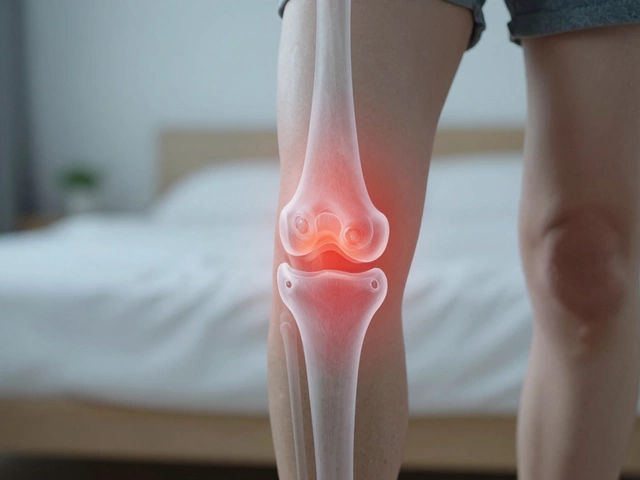
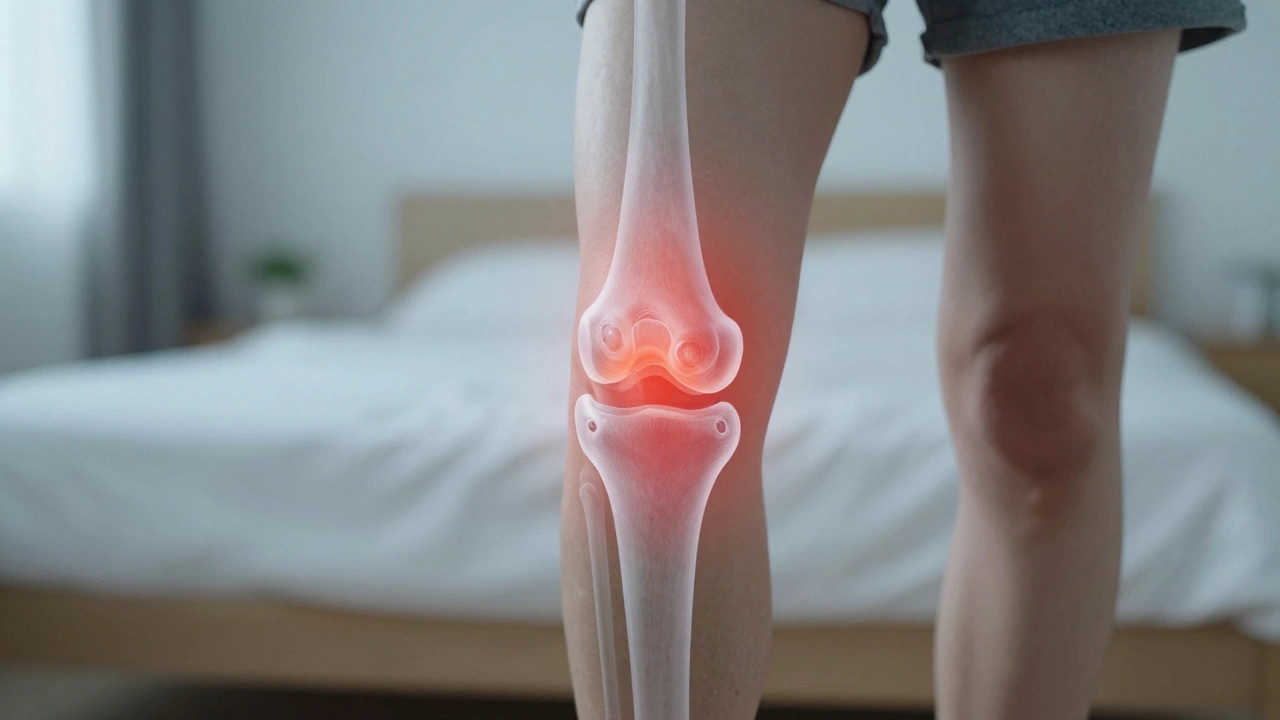
Waking up with a knee that feels like it’s filled with concrete is more than just annoying-it can stop you from walking, playing sports, or even getting out of bed. If you’ve been wondering whether knee stiffness is permanent or if there’s a way to get your flexibility back, the short answer is yes, in most cases, you can improve it. But the path depends entirely on why your knee is stiff in the first place.
Stiffness isn’t a disease; it’s a symptom. It could be early-stage arthritis, scar tissue after an injury, or the natural aftermath of a knee replacement surgery. Understanding the root cause is the only way to pick the right treatment. Let’s break down what actually works for each scenario and when you might need professional help.
Why Does Your Knee Feel Stiff?
Before you start stretching, you need to know what’s causing the resistance. The knee joint is a hinge, and anything that disrupts its smooth movement leads to stiffness. Here are the three most common culprits:
- Osteoarthritis: This is the wear-and-tear type of arthritis where cartilage breaks down. As the cushioning disappears, bones rub together, causing inflammation and swelling. That swelling physically blocks the joint from moving fully.
- Post-Surgical Adhesions: If you’ve had a total knee arthroplasty (commonly known as knee replacement), stiffness is a major concern during recovery. Scar tissue forms naturally as part of healing, but if it forms inside the joint capsule, it acts like glue, preventing bending.
- Synovial Fluid Reduction: Think of synovial fluid as the oil in a car engine. With age or lack of use, this lubricant thins out. Without enough lubrication, the joint moves sluggishly, especially in the morning or after sitting for a long time.
Identifying which one affects you changes everything. Arthritis needs anti-inflammatory strategies. Post-surgical stiffness needs aggressive physical therapy. Lubrication issues need movement and hydration.
The Power of Movement: Reversing Stiffness Naturally
If your stiffness is mild to moderate and not caused by severe bone-on-bone damage, movement is your best medicine. Many people make the mistake of resting a stiff knee completely, thinking it will heal. In reality, rest makes stiffness worse. The joint needs motion to pump out inflammatory fluid and bring in fresh nutrients.
Low-Impact Aerobics
You don’t need to run marathons to help your knees. Activities that keep the joint moving without pounding it are ideal. Swimming and water aerobics are top-tier choices because the buoyancy supports your weight while the water provides resistance. Cycling is another excellent option. The circular motion of pedaling helps maintain range of motion without the impact forces of running or jumping.
Targeted Stretching Routines
Static stretching before bed and dynamic stretching in the morning can significantly reduce that "morning gel phenomenon"-the feeling of being stuck right after waking up. Focus on these three areas:
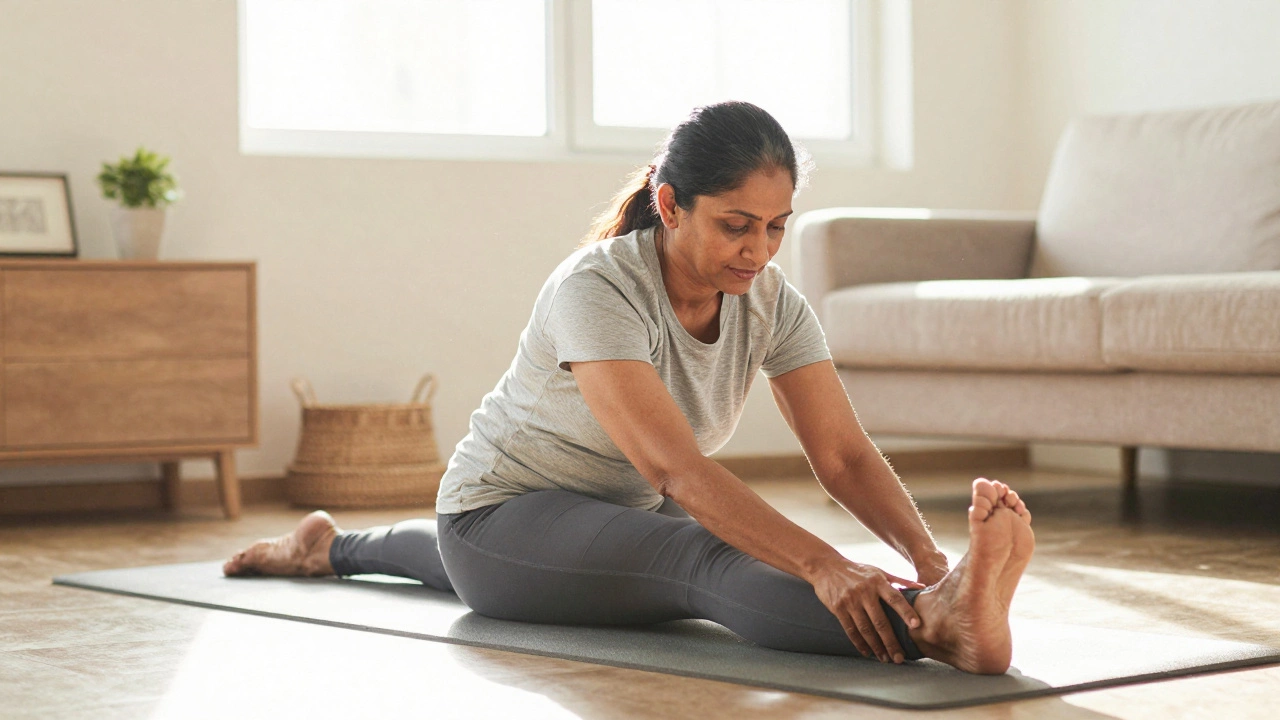
- Hamstring Stretches: Tight hamstrings pull on the back of the knee, limiting extension. Sit on the floor with one leg extended and reach toward your toes. Hold for 30 seconds.
- Quadriceps Stretches: Tight quads limit flexion (bending). Stand on one leg, grab your other ankle, and gently pull your heel toward your buttock. Keep your knees together.
- Calf Raises: These improve circulation and strengthen the muscles that support the knee joint. Rise up on your toes, hold for two seconds, and lower slowly.
Consistency beats intensity here. Doing these stretches for five minutes every day is far more effective than an hour-long session once a week.
When Physical Therapy Is Non-Negotiable
If home exercises aren’t cutting it, or if you’re recovering from surgery, you likely need a structured physical therapy program. A licensed physical therapist doesn’t just tell you to "move more." They use specific techniques to break up scar tissue and restore proper biomechanics.
For post-knee replacement patients, the goal is usually achieving 90 degrees of flexion within the first few weeks and 120+ degrees by month three. Therapists use manual mobilization, where they physically move your joint through its range, combined with continuous passive motion (CPM) machines that bend and straighten the knee automatically. This combination prevents adhesions from hardening into permanent restrictions.
Even for non-surgical cases, a therapist can identify muscle imbalances. For example, if your hip abductors are weak, your knee may cave inward during movement, causing uneven stress and subsequent stiffness. Strengthening the hips often relieves pressure on the knee, indirectly improving mobility.
Medical Interventions: Injections and Procedures
Sometimes, exercise alone isn’t enough to calm the inflammation causing the stiffness. In these cases, medical interventions can provide the relief needed to start moving again.
| Treatment | Best For | Duration of Relief | Invasiveness |
|---|---|---|---|
| Corticosteroid Injection | Acute flare-ups of osteoarthritis | 4-12 weeks | Minimal (needle injection) |
| Hyaluronic Acid Injection | Moderate osteoarthritis, lubrication | 6 months-1 year | Minimal (needle injection) |
| Manipulation Under Anesthesia (MUA) | Severe post-surgical stiffness | Immediate improvement | Moderate (requires anesthesia) |
| Arthroscopic Debridement | Loose cartilage fragments | Variable | Moderate (minimally invasive surgery) |
Corticosteroids are powerful anti-inflammatories. They reduce swelling quickly, allowing you to participate in physical therapy with less pain. However, they don’t fix the underlying structural issue and should be used sparingly (usually no more than 3-4 times a year) to avoid weakening the tendons.
Hyaluronic acid injections, often called "viscosupplementation," aim to restore the lubricating properties of the synovial fluid. While results vary, many patients report smoother movement for several months. This is particularly useful for those who haven’t yet reached the threshold for surgery.
Understanding Manipulation Under Anesthesia (MUA)
If you’ve had a knee replacement and your knee is stuck at, say, 70 degrees of bend, and physical therapy hasn’t moved the needle, your surgeon might recommend MUA. This procedure involves putting you under general anesthesia and then manually forcing the knee to bend and straighten. It sounds intense, but it’s designed to break up the scar tissue adhesions that are locking the joint.
MUA is most effective when done within the first three to six months after surgery. After that, the scar tissue matures and becomes much harder to break. Success rates are high, with most patients gaining an additional 15-30 degrees of motion immediately after the procedure. Of course, you’ll need to continue physical therapy afterward to maintain those gains.
When Is Knee Replacement the Answer?
Let’s address the elephant in the room. If your stiffness is due to end-stage osteoarthritis, where the cartilage is completely gone and bones are grinding against each other, no amount of stretching or injections will reverse the damage. In this case, total knee replacement is the definitive solution.
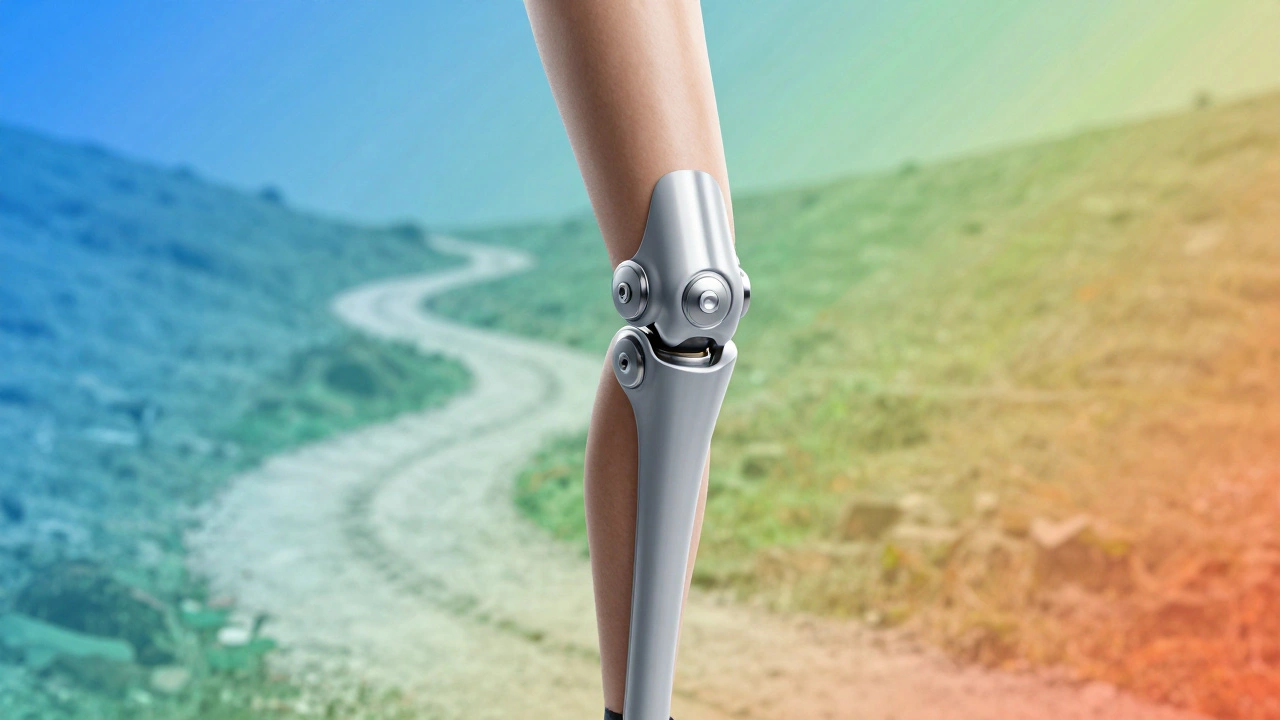
A knee replacement removes the damaged surfaces of the femur and tibia and replaces them with metal and plastic components. This eliminates the pain and restores mechanical function. However, it’s crucial to understand that a new knee isn’t always perfectly flexible. Some degree of stiffness is normal after surgery, but it should gradually improve over 6-12 months.
If you’re considering surgery, ask your surgeon about their revision rates and average range-of-motion outcomes for their patients. Modern implants and surgical techniques have improved significantly, with many patients returning to low-impact activities like hiking and dancing.
Lifestyle Factors That Impact Knee Mobility
Your daily habits play a bigger role in knee health than you might think. Weight management is the single most impactful lifestyle change you can make. Every pound of body weight puts four pounds of pressure on your knees when walking. Losing 10 pounds reduces 40 pounds of stress on the joint. This reduction in load decreases inflammation and allows for easier movement.
Diet also matters. Chronic inflammation drives stiffness. An anti-inflammatory diet rich in omega-3 fatty acids (found in fish, flaxseeds, and walnuts), antioxidants (berries, leafy greens), and turmeric can help manage systemic inflammation. Conversely, processed sugars and refined carbs can spike inflammatory markers, making stiffness feel worse.
Finally, footwear plays a subtle but important role. Worn-out shoes or those with poor arch support can alter your gait, placing uneven stress on the knees. Investing in supportive footwear with good cushioning can reduce the micro-trauma that contributes to chronic stiffness.
Red Flags: When to See a Doctor Immediately
Not all stiffness is benign. You should seek immediate medical attention if your knee stiffness is accompanied by:
- Severe pain that doesn’t improve with rest
- Visible deformity or misalignment of the knee
- Inability to bear any weight on the leg
- Signs of infection: redness, warmth, fever, or chills (especially important after surgery)
- Sudden onset of swelling after a specific injury
These symptoms could indicate a fracture, ligament tear, meniscus rupture, or septic arthritis (an infected joint), all of which require urgent intervention to prevent permanent damage.
Building a Long-Term Maintenance Plan
Reversing knee stiffness isn’t a one-time fix; it’s an ongoing process. Once you’ve regained mobility, maintaining it requires consistency. Incorporate strength training twice a week to keep the muscles around the knee robust. Strong quadriceps and hamstrings act as shock absorbers, protecting the joint from future stiffness.
Listen to your body. If you feel increased stiffness after a particular activity, modify it rather than pushing through. Pain is a signal, not a challenge. By staying active, managing your weight, and seeking timely care for injuries, you can keep your knees flexible and functional for years to come.
How long does it take to reverse knee stiffness?
The timeline varies greatly depending on the cause. For mild stiffness due to inactivity, you may see improvements in 2-4 weeks with consistent stretching and low-impact exercise. Post-surgical stiffness can take 3-6 months to fully resolve with dedicated physical therapy. Severe arthritis-related stiffness may not fully reverse without medical intervention or surgery.
Is knee stiffness after replacement permanent?
No, it is usually not permanent. Most patients experience significant improvement in range of motion within the first 3-6 months after surgery. Persistent stiffness beyond 6 months may require manipulation under anesthesia (MUA) or further physical therapy to break up scar tissue.
What is the best exercise for stiff knees?
Heel slides are often considered the best initial exercise for stiff knees, especially after surgery. Lying on your back, slowly slide your heel toward your buttocks, bending the knee, then slide it back out. This motion is gentle, controlled, and effectively targets flexion and extension without putting weight on the joint.
Can heat and cold therapy help with knee stiffness?
Yes. Heat therapy helps relax tight muscles and increase blood flow, making it ideal for morning stiffness or before exercise. Cold therapy reduces inflammation and swelling, which is helpful after activity or if the knee feels hot and swollen. Using ice for 15-20 minutes can numb pain and reduce acute inflammation.
When should I consider knee replacement surgery?
Consider knee replacement when conservative treatments (exercise, medication, injections) no longer relieve pain, and stiffness severely limits your daily activities like walking, sleeping, or climbing stairs. It is typically recommended for end-stage osteoarthritis where cartilage loss is extensive and X-rays show bone-on-bone contact.