Can Cancer Be Cured Completely? Understanding Remission vs Cure
Cancer Remission & Cure Estimator
Select a cancer type to view estimated 5-year survival data and understand what "remission" really means for that specific diagnosis.
You get the call. The scans are clear. The doctor says, "We've got it all." Then comes the question that keeps you up at night: Is it actually gone forever, or is it just hiding?
This is the million-dollar question in oncology. Unlike a broken bone that heals and stays healed, cancer is tricky. It doesn't always leave a clean scar. So, can cancer be cured completely? The short answer is yes, but with a massive asterisk. The long answer involves understanding the difference between being "alive" and being "cured," and why doctors prefer the word "remission" over "cure" for most solid tumors.
The Difference Between Remission and Cure
Here’s where language gets confusing. In everyday talk, if your cold goes away, you’re cured. You don’t worry about the cold virus lurking in your cells. But cancer isn’t a transient infection; it’s often a fundamental change in how your cells behave.
Remission means there are no detectable signs of cancer in your body. This could be partial (some tumors shrank) or complete (no evidence left). A cure, however, implies that the cancer will never come back. Because we can’t predict the future with 100% certainty, doctors rarely use the word "cure" immediately after treatment ends. Instead, they track you through survival milestones.
- No Evidence of Disease (NED): Your tests show nothing. You feel fine. But microscopic cells might still be floating around.
- Partial Remission: The tumor shrank by at least 30%, but it’s still visible on a scan.
- Complete Remission: Scans and blood tests look normal. This is the closest thing to a cure we have during active monitoring.
Think of it like cleaning a messy room. Complete remission is when you can’t see any mess. A cure is when you know, for a fact, no new messes will ever appear. For many cancers, especially those caught early, the gap between these two concepts narrows significantly.
Which Cancers Are Most Likely to Be Cured?
Not all cancers play by the same rules. Some are aggressive sprinters; others are slow marathons. The likelihood of a complete cure depends heavily on the type of cancer and, crucially, the stage at which it was found.
| Cancer Type | Typical Stage at Diagnosis | 5-Year Survival Rate (UK Data) | Cure Likelihood |
|---|---|---|---|
| Thyroid Cancer | Early | >95% | Very High |
| Hodgkin Lymphoma | Any | ~85-90% | High |
| Breast Cancer (Stage I) | Localized | ~99% | Very High |
| Lung Cancer (NSCLC) | Varies | ~60-70% (Early) | Moderate-High |
| Pancreatic Cancer | Late | ~10% | Low |
Data from organizations like Cancer Research UK shows that some cancers, such as testicular cancer and certain childhood leukemias, are now considered curable in the vast majority of cases. If you survive five years without recurrence, the risk of the original cancer coming back drops dramatically. This is why the "five-year rule" exists-it’s a statistical benchmark, not a magic switch.
Why Doctors Avoid the Word "Cure"
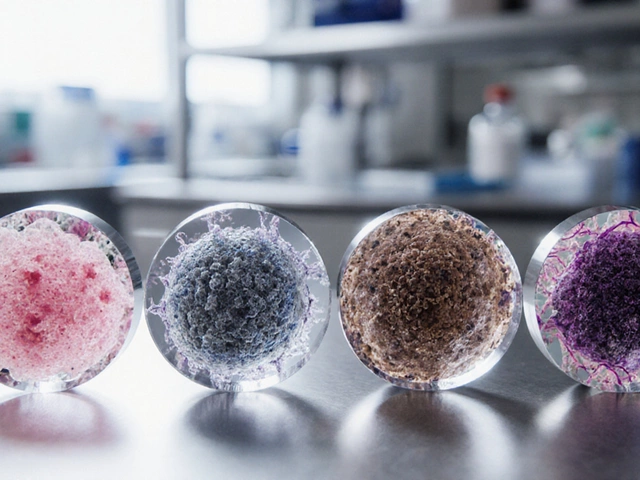
If your stats are great, why won’t your oncologist say "You’re cured"? It’s not pessimism; it’s precision medicine. Microscopic residual disease (MRD) is the enemy here. Even after surgery removes a visible tumor and chemotherapy kills off circulating cells, tiny clusters of cancer cells can remain dormant for years. They don’t show up on CT scans because they’re too small. They don’t trigger symptoms. They’re just waiting.
Consider breast cancer. Estrogen receptor-positive breast cancers can recur ten, fifteen, or even twenty years after diagnosis. If a doctor declared a patient "cured" at year five, and the cancer returned at year twelve, it would cause unnecessary panic and confusion. By sticking to "in remission," they acknowledge the biological reality that vigilance is still required.
Treatment Advances Changing the Game
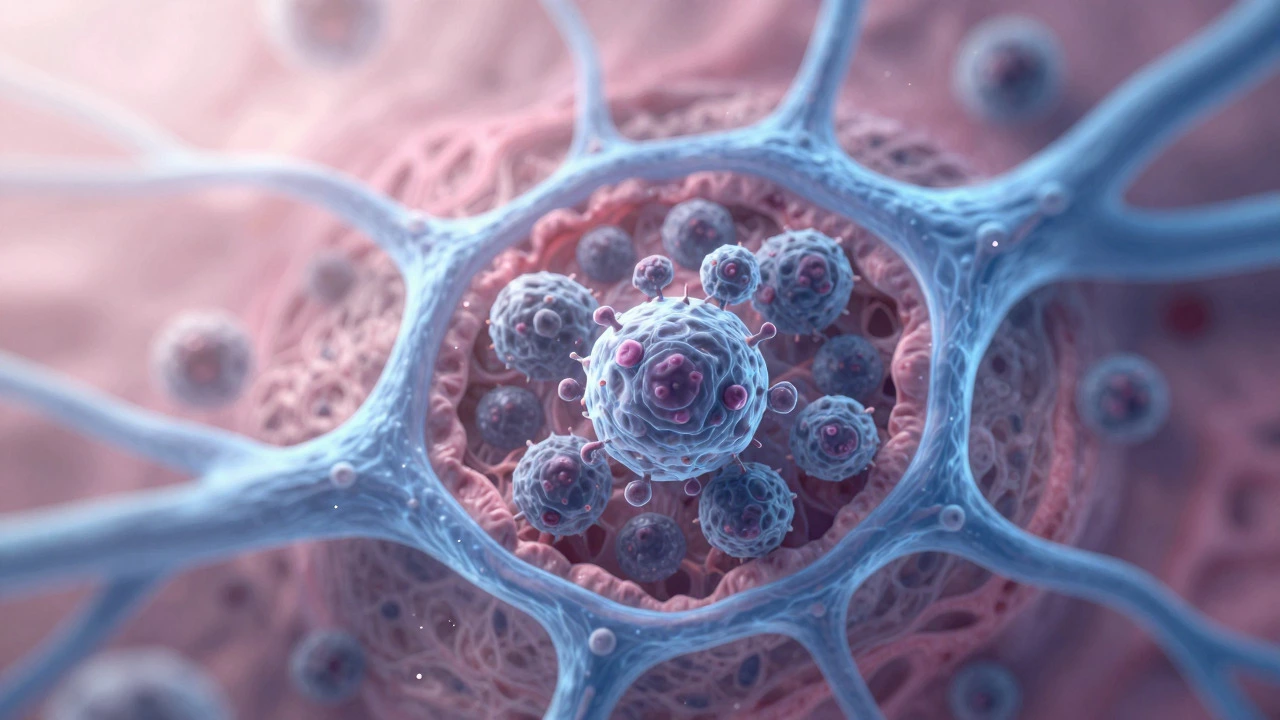
A decade ago, a stage IV diagnosis was often a death sentence. Today, it’s frequently a chronic condition. Newer treatments have shifted the goalpost from "total eradication" to "long-term control," which often feels just as good.
Immunotherapy has revolutionized this landscape. Drugs like pembrolizumab (Keytruda) train your immune system to recognize and attack cancer cells. For some patients with melanoma or lung cancer, this leads to deep, durable responses that last for years-effectively functioning as a functional cure. Similarly, targeted therapies block specific genetic mutations driving the cancer. If you have a mutation like EGFR in lung cancer, a pill can keep the disease in check indefinitely.
Surgery remains the gold standard for solid tumors. If a surgeon can remove the entire tumor with clear margins (no cancer cells at the edge), the chance of a permanent cure skyrockets. Radiation therapy complements this by zapping remaining cells in the local area. Combining these modalities creates a multi-pronged attack that leaves little room for error.
Factors That Influence Your Odds
Your biology matters, but so does your behavior. While you can’t change your genetics, you can influence the environment your cells live in.
- Smoking Status: Continuing to smoke after a lung cancer diagnosis increases recurrence risk significantly. Quitting improves treatment efficacy.
- Body Weight: Obesity is linked to higher inflammation and insulin levels, which can fuel cancer growth. Maintaining a healthy weight post-treatment lowers recurrence risks in breast and colon cancers.
- Adherence to Therapy: Completing the full course of adjuvant chemotherapy or hormone therapy is critical. Skipping doses because you feel fine can allow resistant cells to thrive.
Also, consider the role of genetic testing. Knowing if you carry BRCA1 or BRCA2 mutations changes the surgical approach (e.g., bilateral mastectomy vs. lumpectomy) and opens doors to PARP inhibitors, drugs that specifically target DNA repair defects in cancer cells.

Living After Treatment: The Psychological Aspect
Getting the medical green light is only half the battle. Many survivors experience "scanxiety"-the fear that spikes before every follow-up appointment. This is normal. The uncertainty of whether the cancer is truly gone can be more stressful than the treatment itself.
Support groups and cognitive behavioral therapy help reframe this anxiety. Remember, living in remission is a success story. It means you have time. Time to travel, to work, to watch your kids grow up. Focus on quality of life while maintaining the surveillance schedule your doctor recommends. Missing an appointment is riskier than worrying about one.
Frequently Asked Questions
Does surviving 5 years mean I am cured?
For many cancers, yes. Surviving five years without recurrence suggests the risk of return drops to very low levels, similar to the general population's risk. However, for slow-growing cancers like breast or prostate, late recurrences can happen, so lifelong monitoring is often advised.
Can cancer come back after being cured?
If it comes back, it was technically in remission, not cured. Recurrence can happen months or years later. It might appear in the same spot (local recurrence) or spread elsewhere (metastasis). Regular check-ups help catch this early when it’s most treatable.
Is leukemia curable?
Many types of leukemia are curable, especially acute lymphoblastic leukemia (ALL) in children, with cure rates exceeding 90%. Adult leukemias vary; chronic myeloid leukemia (CML) is often managed as a chronic condition with pills rather than cured via transplant, though transplants can offer cures for others.
What is the difference between palliative care and hospice?
Palliative care focuses on symptom relief and quality of life alongside curative treatment. Hospice is for end-of-life care when curative options are exhausted. You can receive palliative care while trying to cure the cancer.
Do alternative medicines cure cancer?
No scientific evidence supports alternative medicines as standalone cures for cancer. They may help with side effects or well-being, but relying on them instead of proven treatments like surgery or chemo can reduce survival chances. Always discuss supplements with your oncologist.