What Is the Hardest State to Live in Financially? A Guide for Medical Tourists
Medical Tourism vs. Domestic Care Cost Estimator
Estimate Your Costs
Select your details and click calculate to see how much you could save by considering medical tourism options compared to domestic care in high-cost states.
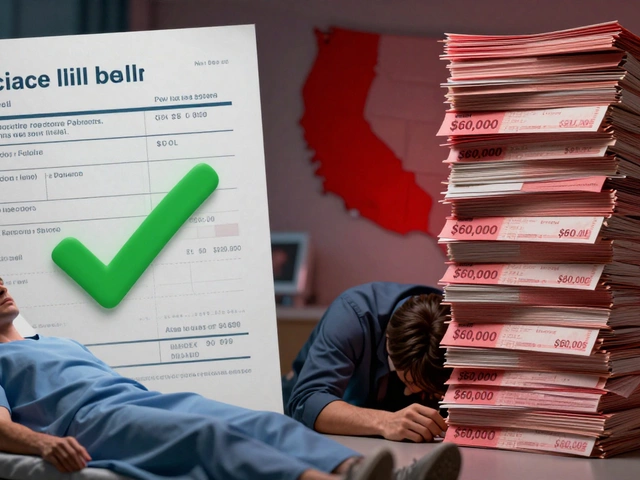
Imagine getting a quote for a knee replacement. In one part of the country, it’s $25,000. In another, it’s $60,000. The surgery is the same. The doctor might be equally skilled. But your wallet feels the difference immediately. This isn’t just about medical bills. It’s about rent, groceries, taxes, and insurance premiums that pile up while you recover. For many people considering medical tourism is the practice of traveling to another location to receive medical treatment, often to save money or access specialized care not available locally, the question isn't just "where is the best hospital?" It's "which place drains my bank account the fastest?"
If you are looking at the United States map through the lens of financial survival, especially when balancing health needs with daily costs, some states stand out as particularly tough. We aren't talking about luxury living. We are talking about the grind. The math gets ugly fast in places where high housing costs meet high healthcare prices.
The Top Contenders for Most Expensive Living
When economists crunch the numbers on cost of living, a few names always pop up. California is a U.S. state known for its high cost of living, diverse economy, and advanced healthcare infrastructure usually takes the crown. But it’s not alone. Hawaii is a U.S. state consisting of islands in the Pacific Ocean, characterized by extremely high import costs for goods and services and New York is a U.S. state with a major global financial hub, high property values, and significant tax burdens are right there fighting for second place. Let’s break down why these places are so hard on your finances, specifically if you have ongoing health concerns.
In California, the median home price has skyrocketed past $700,000 in many counties. Rent in San Francisco or Los Angeles can easily consume 40-50% of an average salary. Now add healthcare. While California has robust public health initiatives, private insurance premiums are among the highest in the nation. If you need elective surgery or chronic disease management, the out-of-pocket costs can be staggering.
Hawaii presents a different problem. Because almost everything is imported, from fuel to food to medical supplies, prices are inflated. A gallon of milk costs more than in most other states. Healthcare facilities face higher operational costs, which get passed on to patients. For someone managing diabetes or heart conditions, the daily cost of maintaining a healthy lifestyle-buying fresh produce, gym memberships, even transportation-is significantly higher.
New York, particularly New York City, combines high income potential with high expenditure. Property taxes are steep. Sales taxes vary but add up. And while the city boasts world-class hospitals like Mount Sinai or NYU Langone, the network charges can be astronomical. If you fall into the gaps of coverage, the financial strain is immense.
| State | Avg. Monthly Rent (1BR) | Avg. Health Insurance Premium | Sales Tax Rate | Income Tax Burden |
|---|---|---|---|---|
| California | $3,200+ | $500-$800 | 7.25% - 10.25% | High (up to 13.3%) |
| Hawaii | $2,800+ | $450-$750 | 4% (General Excise Tax) | Medium-High |
| New York | $3,500+ (NYC) | $550-$900 | 4% - 8.875% | High (up to 10.9%) |
| Massachusetts | $3,000+ | $500-$850 | 6.25% | Medium (5%) |
Why Healthcare Costs Make It Worse
Living in an expensive state is bad enough. Living there while needing regular medical attention is a double whammy. In states like Massachusetts and Connecticut, you find top-tier academic medical centers. These institutions drive innovation and provide excellent care. But they also set the price ceiling for procedures nationwide.
Consider orthopedic surgery. In Boston, the cost of a total hip replacement can exceed $50,000 before insurance adjustments. Even with good insurance, deductibles and co-pays can run into the thousands. Compare this to a state like Tennessee or Ohio, where the same procedure might cost half as much due to lower overhead and labor costs.
This disparity is exactly why many Americans look abroad. They see their neighbors in high-cost states struggling to pay bills and realize that flying to Mexico is a popular destination for medical tourists seeking affordable dental, cosmetic, and surgical procedures close to the US border or Thailand is a leading global hub for medical tourism, offering high-quality care at a fraction of Western prices makes economic sense. A trip to Bangkok for a complex cardiac procedure might cost $10,000 all-inclusive, including hotel and recovery time. That same procedure in New York could leave you with a $30,000 bill.

The Hidden Costs: Transportation and Recovery
We often forget the non-medical costs associated with health issues. If you live in a sprawling state like Texas or Florida, you need a car. Car insurance rates are rising everywhere, but in states with high accident rates or severe weather, they spike. Florida, for instance, has seen auto insurance premiums jump over 50% in recent years due to litigation and hurricane risks.
Then there’s the recovery phase. If you’re recovering from surgery, you might need home health aides. In California, minimum wage laws mean hiring help is incredibly expensive. In rural parts of the Midwest, help might be cheaper, but access to specialists for follow-up care is limited. You’re stuck choosing between proximity to care and affordability of support.
For medical tourists, this calculation flips. They choose a destination based on the total package. Countries like Turkey is a growing medical tourism hub known for hair transplants and cosmetic surgery at competitive prices offer all-inclusive packages. You fly in, get treated, stay in a nearby hotel, and eat well for a price that wouldn’t cover two weeks of rent in San Francisco.
Which State Is Actually the Hardest?
If we combine housing, healthcare, taxes, and general cost of living, California emerges as the hardest state to live in financially for most people, especially those with health vulnerabilities. The sheer scale of expenses leaves little room for error. One unexpected medical event can derail years of savings.
However, for those already earning high incomes, the challenge shifts. In New York or Massachusetts, the issue isn’t survival; it’s retention of wealth. High income taxes erode savings that could otherwise be used for premium healthcare options or international treatments.
For low-to-middle-income earners, Hawaii and Alaska present unique challenges. Isolation drives up prices for everything, including pharmaceuticals. If you need a specific medication that isn’t stocked locally, waiting times and delivery costs add stress.

The Medical Tourism Alternative
Facing these domestic financial pressures, more Americans are exploring international options. This isn’t just about vanity procedures. It’s about necessity. Cardiac surgery, joint replacements, and fertility treatments are common reasons for travel.
Key benefits include:
- Cost Savings: Procedures can cost 50-80% less abroad.
- Shorter Wait Times: Access to specialists without months-long delays.
- All-Inclusive Packages: Predictable pricing covering accommodation and transport.
Countries like India, Mexico, and Thailand have invested heavily in JCI-accredited hospitals. These facilities meet international standards for safety and quality. For someone in a high-cost US state, the decision becomes simple: spend $50,000 locally with high stress, or spend $15,000 abroad with a vacation-like recovery experience.
How to Decide If You Should Move or Travel
If you’re feeling the pinch in a high-cost state, ask yourself these questions:
- Is my job remote? If yes, consider relocating to a lower-cost state like Kansas, Oklahoma, or South Carolina. Your purchasing power will increase dramatically.
- Do I need ongoing specialist care? If yes, evaluate the cost of local vs. international treatment. Calculate flights, hotels, and procedure costs. Often, the international option wins.
- Am I paying high taxes? States like Florida and Texas have no state income tax. Moving there can free up cash for healthcare savings accounts.
Don’t ignore the emotional toll. Living in financial fear affects mental health. Reducing that stress through smarter geographic choices or medical tourism can improve overall well-being.
Is California really the most expensive state to live in?
Yes, for most metrics. California consistently ranks #1 or #2 in cost of living indexes due to extreme housing costs, high sales taxes, and expensive healthcare premiums. While salaries can be higher, they rarely keep pace with the inflation in essential services.
Which state has the cheapest healthcare costs?
States like Mississippi, Arkansas, and West Virginia tend to have lower average healthcare costs. However, "cheaper" doesn't always mean "better quality." Access to specialized care may be limited in rural areas of these states.
Can medical tourism save me money compared to living in a high-cost state?
Absolutely. For major surgeries, medical tourism can save 50-80%. When you factor in the cost of living during recovery (hotel vs. rent), the savings are even more pronounced. Many patients use the saved money to upgrade their recovery experience.
Are there any states with no income tax that are also affordable?
Florida and Texas have no state income tax. Florida is moderately priced depending on the area, while Texas varies widely. Both offer large healthcare systems, making them attractive for those fleeing high-tax states like California or New York.
Is it safe to get medical treatment abroad?
Yes, if you choose accredited facilities. Look for hospitals certified by Joint Commission International (JCI). These hospitals adhere to strict global standards for patient safety and care quality, similar to top US hospitals.