How Long Does Someone Stay in the Hospital After Open-Heart Surgery?
Open-Heart Surgery Recovery Timeline Calculator
Step 1: Select Your Surgery Type
Step 2: Check Any Complications or Factors
Select any that apply to your situation:
Your Recovery Journey
Waking up after open-heart surgery is a major medical procedure involving the chest cavity and heart muscle is a surreal experience. The noise of machines, the pain in your sternum, and the sheer exhaustion can make you feel like you’ve been through a war. But the biggest question on every patient’s mind-and their family’s-is simple: "When do we go home?" It’s not just about counting days; it’s about understanding the journey from the operating table to that front door.
The short answer? Most people spend between 5 to 7 days in the hospital. But "most" doesn’t always mean "you." Your stay depends heavily on the type of surgery you had, how your body reacts, and whether any hiccups occur along the way. Let’s break down exactly what happens during those days, why some stays are shorter, and what you need to prepare for before you leave.
The First 24 Hours: Intensive Care Unit (ICU)
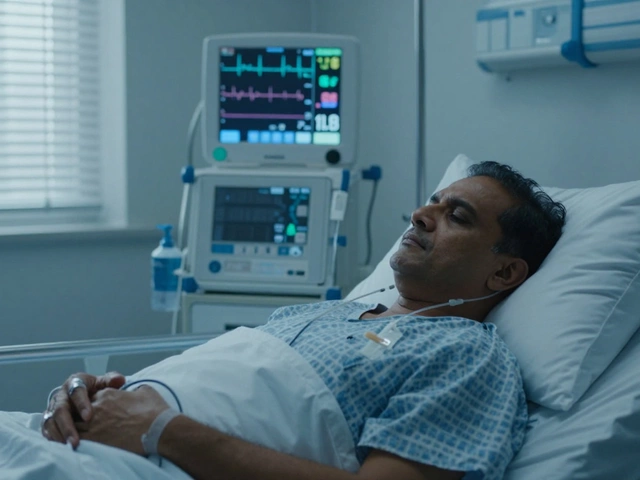
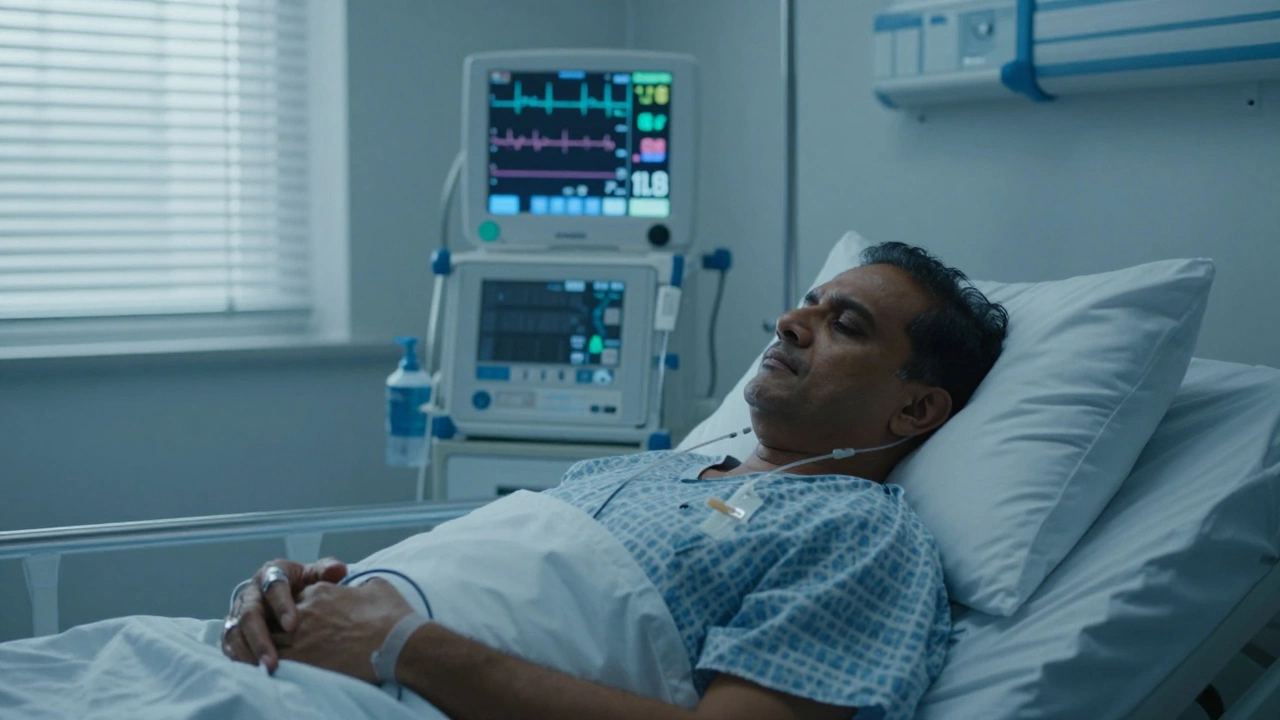
Your journey starts in the Intensive Care Unit (ICU) or the Cardiac Care Unit (CCU). This isn’t a regular ward. Here, nurses check your vitals every few minutes. You’ll have tubes, wires, and monitors attached to you. It feels intense, but this level of scrutiny saves lives.
In these first 24 hours, the goal is stabilization. Doctors are watching for:
- Bleeding: Ensuring the surgical site isn’t leaking.
- Heart Rhythm: Checking for arrhythmias, which are common right after surgery.
- Breathing: You might be on a ventilator for the first few hours, then switched to a breathing tube mask, and finally off oxygen entirely.
If you’re stable by day one, you’ll likely move out of the ICU. If complications arise-like low blood pressure or irregular heartbeats-you might stay longer. Don’t panic if this happens; it’s part of the process.
Days 2-3: Moving to the Step-Down Unit
Once you’re out of the ICU, you move to a step-down unit or a general cardiac ward. The monitoring is less frequent, but you’re still under close watch. This is where the real work of recovery begins.
You’ll start walking. Yes, walking. Nurses will help you sit up, stand, and take a few steps around the room. It sounds impossible when you’re sore, but early mobilization prevents blood clots and pneumonia. You’ll also learn how to manage your pain. Pain management is crucial because if you can’t breathe deeply due to pain, you risk lung infections.
During these days, doctors will remove most of the temporary tubes. Your chest incision will be checked daily. If everything looks good, you’ll progress to eating solid foods and taking more steps with each passing hour.
Days 4-6: Preparing for Discharge
By day four or five, the focus shifts to getting you ready for home. The medical team will assess your ability to:
- Climb stairs (if your home has them).
- Manage your medications independently.
- Care for your incision site.
- Perform light activities without excessive fatigue.
This is also when you’ll meet with a cardiac rehabilitation specialist. They’ll give you a plan for exercise at home. Remember, you’re not going home to rest in bed all day. You’re going home to recover actively.
If you’re meeting these milestones, discharge usually happens around day five or six. However, if you’re struggling with mobility or have minor issues like fluid retention, you might stay an extra day or two. That’s normal.

Factors That Can Extend Your Hospital Stay
Not everyone follows the 5-to-7-day timeline. Several factors can lengthen your stay:
| Factor | Impact on Stay | Why It Matters |
|---|---|---|
| Complex Surgery Type | +1 to 3 days | Valve replacements or multi-vessel bypasses require more healing time than single-vessel procedures. |
| Atrial Fibrillation | +2 to 5 days | Irregular heart rhythms are common post-op and need medication adjustment before discharge. |
| Pneumonia or Infection | +3 to 7+ days | Lung infections require antibiotics and extended respiratory therapy. |
| Diabetes Management | +1 to 2 days | High blood sugar slows wound healing and increases infection risk. |
| Mobility Issues | +1 to 3 days | If you can’t walk safely, you may need physical therapy before going home. |
Age also plays a role. Older patients often take longer to regain strength. But age alone isn’t a reason to stay longer unless there are specific health concerns. The key is functional independence: can you get out of bed, use the bathroom, and eat without help?
What Happens After Discharge?
Going home doesn’t mean the job is done. In fact, it’s just the beginning. For the first six weeks, you’ll follow strict sternal precautions. This means no lifting anything heavier than a gallon of milk, no pushing, and no pulling. Your breastbone needs time to fuse back together.
You’ll also start cardiac rehab, a supervised program that helps you rebuild strength safely. Studies show that patients who complete cardiac rehab have lower mortality rates and better quality of life. It’s not optional-it’s essential.
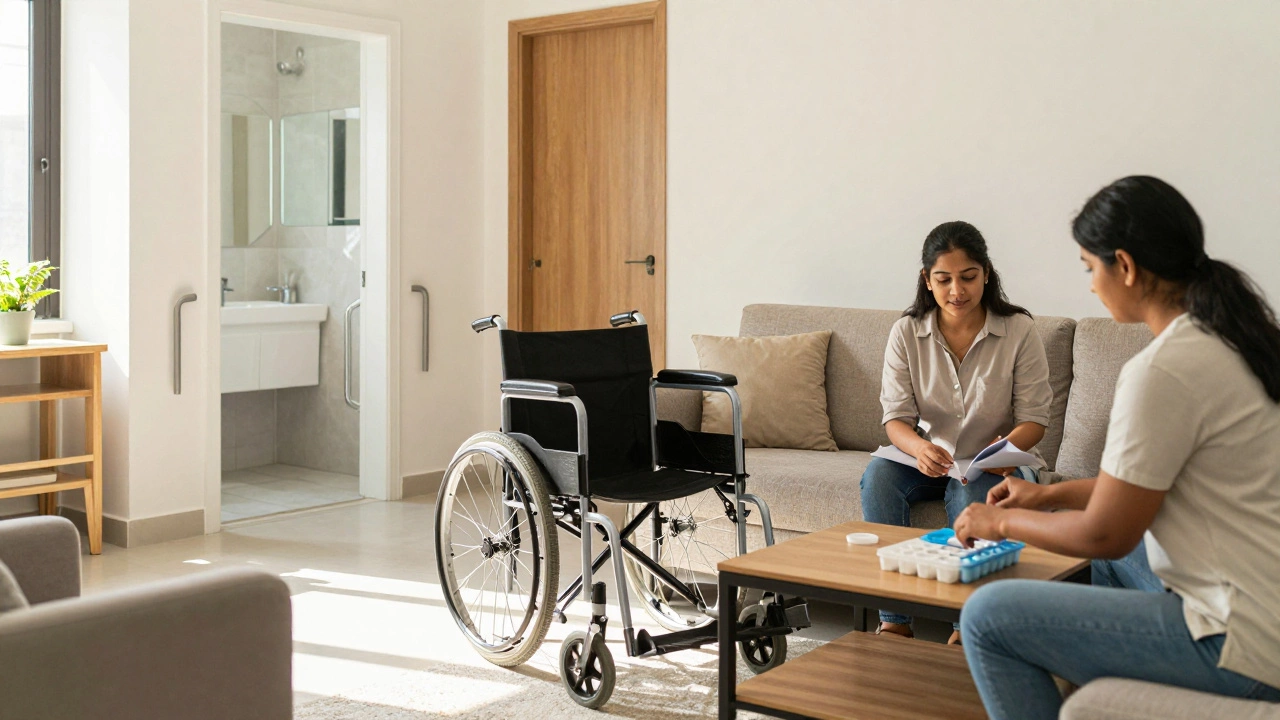
Medication adherence is critical. You’ll likely be on blood thinners, beta-blockers, statins, and possibly ACE inhibitors. Missing doses can lead to serious complications. Set reminders, use pill organizers, and never skip a dose without talking to your doctor.
Signs You Should Call the Doctor Immediately
Even after discharge, watch for red flags. Contact your healthcare provider if you experience:
- Fever above 101°F (38.3°C).
- Redness, swelling, or pus around your incision.
- Sudden weight gain (more than 2 pounds in a day or 5 pounds in a week), which could signal fluid retention.
- Shortness of breath that worsens instead of improves.
- Chest pain that doesn’t go away with rest.
These aren’t reasons to panic, but they are reasons to act quickly. Early intervention prevents small problems from becoming big ones.
Preparing Your Home Before You Leave
Don’t wait until you’re discharged to think about home preparation. Start now. Remove tripping hazards like rugs. Install grab bars in the bathroom if you don’t have them already. Keep frequently used items within easy reach so you don’t have to stretch or bend.
Arrange for help. You won’t be able to cook, clean, or drive for several weeks. Have a friend, family member, or hired caregiver assist you during the first two weeks. Meal delivery services can also be a lifesaver.
Finally, set up a comfortable sleeping area. Many patients find it easier to sleep propped up on pillows for the first few weeks. This reduces strain on your chest and makes breathing more comfortable.
Can I go home after 3 days of open-heart surgery?
It’s rare but possible for very healthy patients undergoing minimally invasive procedures. Traditional open-heart surgery typically requires 5-7 days. Going home in 3 days would only happen if you had exceptional recovery speed, no complications, and strong support at home.
How long do I stay in the ICU after heart surgery?
Most patients spend 1 to 2 days in the ICU. Some may stay longer if they have complications like bleeding or arrhythmias. Once stable, you’ll move to a step-down unit for continued monitoring.
What should I expect during my first week at home?
Expect fatigue, limited mobility, and strict activity restrictions. You’ll focus on walking short distances, managing pain, and caring for your incision. Avoid lifting, driving, or strenuous tasks. Gradually increase activity as tolerated.
Is it normal to feel tired after open-heart surgery?
Yes, extreme fatigue is completely normal for the first 4-6 weeks. Your body is healing from major trauma. Listen to your body, rest when needed, and gradually build endurance through gentle walks and cardiac rehab.
When can I return to work after open-heart surgery?
Desk jobs may allow return in 4-6 weeks. Physically demanding jobs may require 8-12 weeks or more. Always consult your surgeon before returning to work, especially if your job involves lifting or heavy exertion.