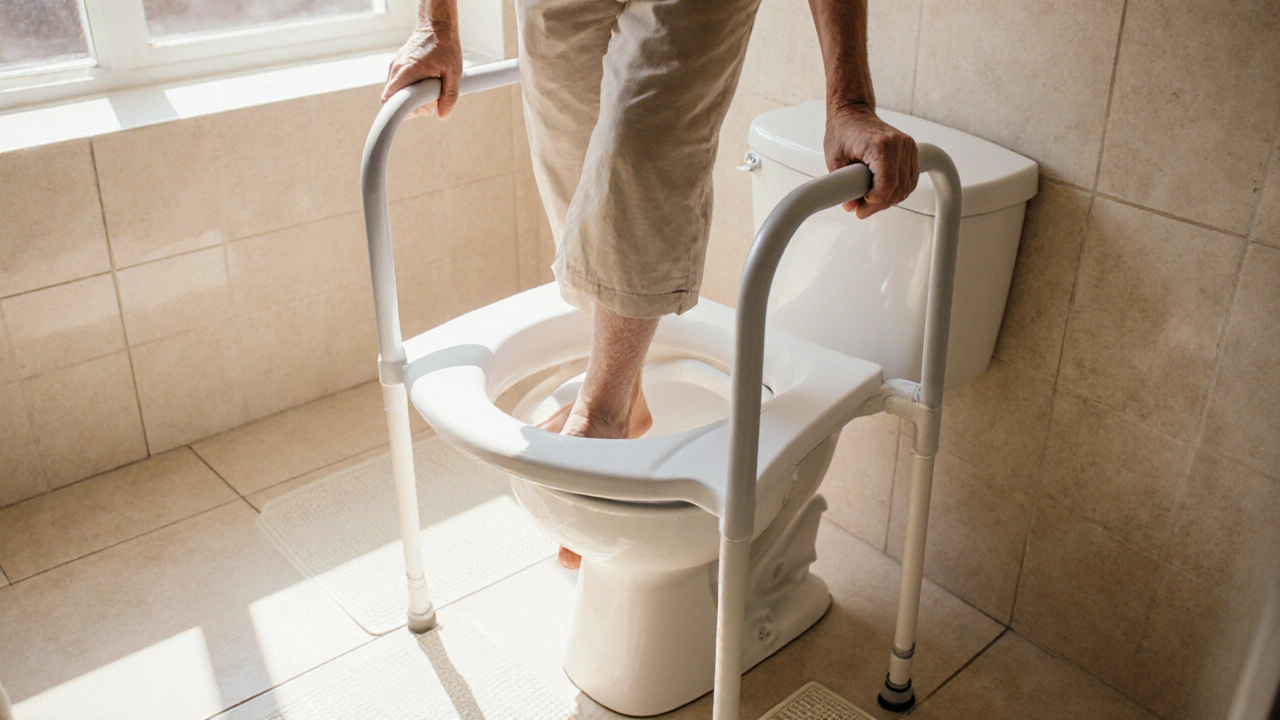
Knee Replacement Bathroom Tips: Safe, Simple Ways to Recover at Home
After a knee replacement, a surgical procedure to replace a damaged knee joint with an artificial one. Also known as total knee arthroplasty, it’s one of the most common orthopedic surgeries in India—and recovery starts the moment you walk out of the hospital. But here’s the truth: your bathroom might be the most dangerous place in your house during recovery. Slippery tiles, low toilets, and no handholds can turn a simple trip to the restroom into a fall risk. That’s why knee replacement bathroom tips aren’t optional—they’re essential.
Recovery after knee surgery isn’t just about physical therapy sessions. It’s about reshaping your home to match your new limits. You’ll need to move slowly, bend carefully, and avoid twisting your new joint. Simple changes like installing a grab bar, a sturdy handhold mounted near the toilet or shower to provide stability can cut your risk of falling by more than half. A raised toilet seat, an attachment that lifts the height of your toilet to reduce bending is another must-have. Most standard toilets are too low, forcing you to squat—which puts pressure on your healing knee. A raised seat brings you closer to standing height, making it easier to sit and stand without straining.
Showering is another big challenge. Standing for long periods? Hard. Slipping on wet tiles? Easy. A shower chair, a waterproof seat designed for use in the shower to allow seated bathing lets you clean yourself safely without balancing on one leg. Pair it with a handheld showerhead so you don’t have to reach or twist. Non-slip mats aren’t just helpful—they’re life-saving. And don’t forget to clear the floor. Towels, rugs, and toiletries on the ground? That’s a trip hazard waiting to happen. Keep everything within arm’s reach. Use a caddy or wall-mounted shelves.
Some people think they need fancy gadgets. You don’t. A simple plastic chair with a towel on it works as a shower seat. A wooden block under the toilet can raise it by a few inches. A long-handled sponge or reacher tool helps you grab things without bending. These aren’t luxury items—they’re survival tools. And if you live alone, ask for help. Even if it’s just someone to check your bathroom setup before you get home. Recovery isn’t a solo mission.
Most patients get back to normal bathroom routines in 4 to 6 weeks. But that timeline depends on one thing: how well you prepare. Skipping these steps might seem harmless, but it can lead to setbacks—falls, re-injury, longer rehab. The goal isn’t perfection. It’s safety. It’s comfort. It’s getting back to your life without fear.
Below, you’ll find real advice from people who’ve been there—practical fixes, affordable tools, and daily habits that make bathroom recovery easier. No fluff. Just what works.