
Dental Insurance and Implants: What You Actually Pay in 2026
Dental Implant Cost & Insurance Estimator
Estimated Total Bill
$0.00Insurance Pays
$0.00
You Pay (Out of Pocket)
$0.00
| Component | Base Cost | Insured Amount | Your Share |
|---|---|---|---|
| TOTALS | $0.00 | $0.00 | $0.00 |
• Standard PPO: Applies coverage % to the "Bridge Replacement Value" for the implant post, then adds other components based on their individual typical coverage rates (often lower or grouped). For simplicity, this tool applies the main coverage % to the base costs, capping the total reimbursement by your remaining annual maximum.
• Premium/DHMO/Medicare: Applies coverage % directly to the actual component costs.
• Bone Grafting: Often treated separately. This estimator assumes it is covered at the same rate as the main plan unless specified otherwise by your insurer.
• Always verify with your specific plan's Summary of Benefits. This is an estimate, not a guarantee.
Let's be real for a second. You're staring at a quote for dental implants, the number is scary, and you're hoping your insurance will save the day. But here is the hard truth that most brochures don't tell you upfront: most standard dental insurance plans do not cover implants as a primary benefit.
Instead, they often treat them like cosmetic work or limit reimbursement to a percentage of what they would pay for a cheaper alternative, like a bridge. So, how much does your plan actually pay? It varies wildly based on your provider, your specific tier, and whether you have hit your annual maximums. Let's break down the numbers so you know exactly what to expect before you sign that consent form.
The "Replacement Value" Rule That Changes Everything
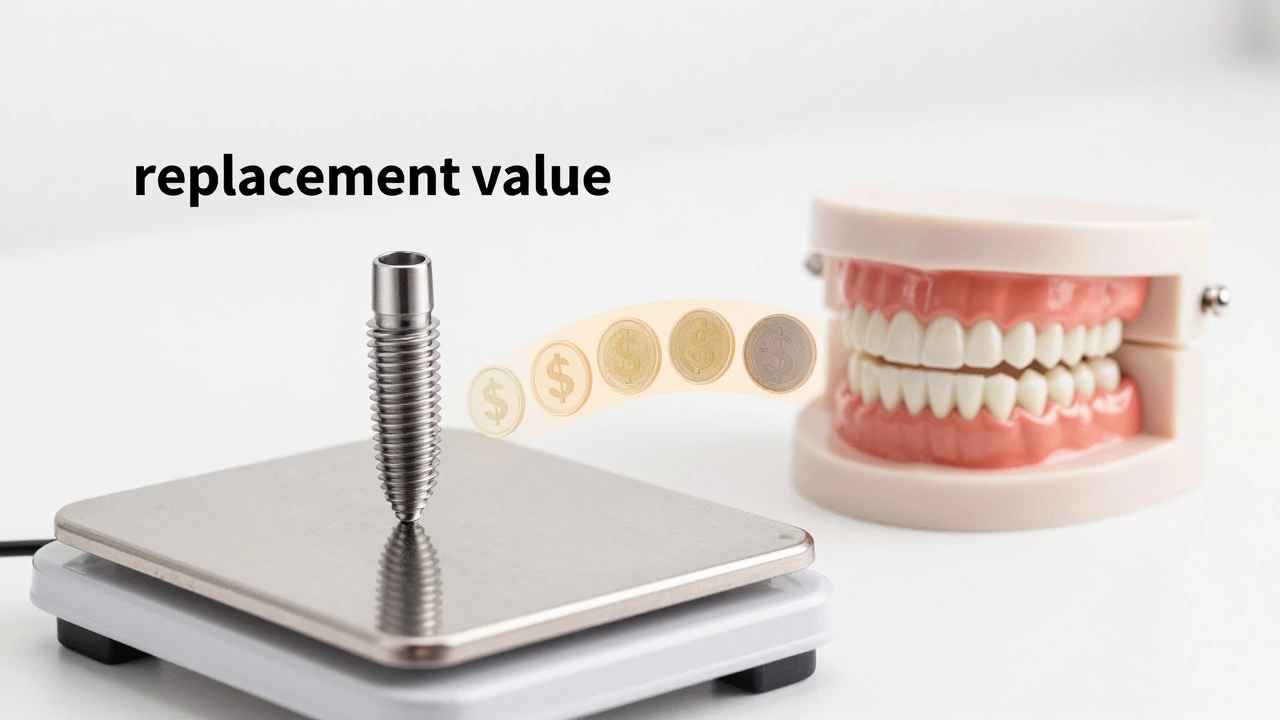
If you think insurance pays a percentage of the actual bill, you are likely mistaken. Most PPO (Preferred Provider Organization) plans use a concept called "replacement value." This means the insurer calculates what they *would* pay for a less expensive option-typically a fixed bridge-and then applies their coverage percentage to that lower amount, not your actual implant invoice.
For example, if an implant costs $4,000 but a bridge would cost $1,500, and your plan covers 50% of replacement value, they might only reimburse you $750 ($1,500 x 50%). You still owe the remaining $3,250 out of pocket. This is why reading the fine print on "covered procedures" is critical. Always ask your insurer: "Do you cover implants at 100% of actual cost, or at the replacement value of a bridge?"
Typical Coverage Percentages by Plan Type
Not all plans are created equal. Here is a general breakdown of what different plan types typically offer for major restorative work like implants. Keep in mind, these are averages; individual policies can differ significantly.
| Plan Type | Coverage Model | Typical Reimbursement | Annual Maximum Impact |
|---|---|---|---|
| Standard PPO | Replacement Value | 30% - 50% | High (Often hits max quickly) |
| Premium PPO | Actual Cost or High Replacement | 50% - 80% | Moderate (Higher limits) |
| DHMO | Pre-negotiated Fees | $0 - 100% (If covered) | Low (No out-of-network) |
| Medicare Advantage | Varies by Carrier | 0% - 50% | Low to Moderate |
Notice the gap between Standard and Premium PPOs. If you are on a basic employer-sponsored plan, assume you will pay the majority of the cost yourself. Premium plans, often available through high-tier employers or private purchase, are more likely to offer substantial help, but even then, they rarely cover 100%.
How Annual Maximums Eat Your Benefits
This is the silent killer of implant claims. Most dental plans have an annual maximum, usually ranging from $1,000 to $2,000 for basic and major services combined. Since implants are classified as "major" restorative work, they draw heavily from this pool.
If you already had fillings, cleanings, or crowns earlier in the year, your remaining balance might be low. For instance, if your annual max is $1,500 and you've used $800 on other treatments, you only have $700 left for the entire implant procedure. Even if your plan says it covers 50%, you can't get more than $700 back. Always check your "remaining annual maximum" before scheduling surgery.
What Parts of the Implant Process Are Covered?
An implant isn't just one procedure; it's a sequence of steps. Insurance often treats each step differently. Here is how the pieces usually break down:
- The Implant Post (Titanium Screw): Often considered prosthetic or major restorative. Coverage is lowest here, frequently subject to the replacement value rule mentioned earlier.
- The Abutment: The connector piece. Sometimes grouped with the post, sometimes billed separately. Check if it has its own sub-limit.
- The Crown (Tooth Cap): This is the visible part. Many plans cover crowns better than the implant itself, often at 50% of the actual cost, provided it's placed on a natural tooth or existing implant structure.
- Bone Grafting: If you need bone augmentation, this is often treated as a separate surgical procedure. Some plans cover it at 50%, others consider it pre-existing condition related and deny it entirely.
- Extraction: Removing the old tooth is usually covered under basic or moderate services, often at 80-100% up to the annual max.
The key takeaway? Don't assume one claim covers everything. Ask your dentist to submit itemized claims so you maximize every possible dollar from your policy.

Strategies to Lower Your Out-of-Pocket Costs
If your insurance leaves you holding a big bag of bills, you have options. First, consider timing. If you haven't used your annual maximum yet, schedule the implant early in the calendar year (January or February). This ensures you have the full annual cap available for the major expense.
Second, look into dental savings plans. These are not insurance, but membership programs that give you direct discounts (often 10-20%) off the provider's fee. They can stack with insurance in some cases, though rules vary.
Third, ask about financing. Many dental offices partner with companies like CareCredit or Sunbit, offering interest-free payment plans for 6-12 months. This spreads the cost without adding immediate financial strain.
Finally, verify if your plan has a "waiting period." New members often have a 6-12 month waiting period before major services like implants are eligible. If you recently switched jobs or plans, make sure you aren't stuck in this window.
Frequently Asked Questions
Does Medicare cover dental implants?
Traditional Medicare (Part A and B) generally does not cover routine dental care, including implants. However, many Medicare Advantage (Part C) plans include supplemental dental benefits. Coverage varies by carrier, but it is rare for them to cover 100% of implant costs. Check your specific Advantage plan summary of benefits.
Can I use my HSA or FSA for dental implants?
Yes. Dental implants are considered qualified medical expenses because they restore function and prevent further health issues. You can use funds from a Health Savings Account (HSA) or Flexible Spending Account (FSA) to pay for the procedure, taxes, and associated materials. Just keep detailed receipts for tax purposes.
Why did my insurance deny my implant claim?
Common reasons for denial include missing pre-authorization, exceeding the annual maximum, using an out-of-network provider, or coding the procedure as cosmetic rather than functional. If denied, request the Explanation of Benefits (EOB) to see the specific code. You have the right to appeal, and providing clinical documentation showing the implant is medically necessary can often overturn a denial.
Is it worth getting dental insurance just for implants?
Usually, no. Standalone dental insurance premiums can add up to $50-$100 per month. Unless you anticipate multiple major procedures, the annual premium might exceed the reimbursement you receive from a single implant. Compare the total annual cost of the plan against the estimated out-of-pocket cost of the implant. In many cases, paying cash or using financing is more economical than buying a new policy solely for one procedure.
Do all dental offices accept insurance directly?
Not always. Some offices are "in-network" and handle billing for you. Others are "out-of-network" and may require you to pay upfront and submit the claim yourself. Always confirm your status with both the insurance company and the dental office before treatment. In-network providers have negotiated rates, which can significantly lower your base cost before insurance is applied.