Dental Implant Pain: What to Actually Expect During and After Surgery
Dental Implant Recovery Simulator
Select your current recovery stage to see what sensations are normal and how to manage them.
Initial Numbing Phase
Pain: Low/NumbWhat you're feeling:
Numbness and slight tingling. You may feel a general sense of pressure but no sharp pain.
Management Strategy:
- Rest and relax
- Avoid very hot drinks
- Prepare your first pain med dose
⚠️ Red Flag Check
Regardless of the stage, contact your dentist immediately if you experience:
Key Takeaways for Your Recovery
- The actual surgery is generally painless due to local anesthesia.
- Most people report a "pressure" sensation rather than sharp pain during the placement.
- Post-op soreness peaks around 48 to 72 hours and is typically managed with over-the-counter meds.
- Swelling and bruising are common but temporary.
- Following aftercare instructions strictly reduces the risk of complications.
Does the Actual Procedure Hurt?
When you sit in that chair, your biggest fear is likely the moment the drill hits the bone. Here is the reality: you won't feel it. Dentists use Local Anesthesia, which completely numbs the area. You'll feel the pressure of the dentist working-a sort of pushing sensation-but not the sharp pain of a cut or a drill. For people with high anxiety or those getting multiple implants at once, there are other options. IV Sedation or general anesthesia can put you in a "twilight" state or completely unconscious. In these cases, you wake up and the hard part is already over. If you're terrified of needles, some clinics even offer nitrous oxide (laughing gas) to take the edge off before the numbing agent is administered.The First 72 Hours: Managing the Aftermath
Once the numbness wears off, the "recovery phase" begins. This is where most people actually experience discomfort. It's not usually a sharp, stabbing pain, but rather a dull ache and significant tenderness in the gums and jaw.The soreness is mostly caused by the inflammation of the surrounding soft tissue. Think of it like a deep bruise. Your body is sending blood and immune cells to the area to begin the healing process. You might notice some swelling in your cheek or gums, which is perfectly normal. Most patients find that a combination of ibuprofen and acetaminophen (Tylenol) keeps the pain well within a tolerable range.
One common mistake is waiting until the pain is unbearable to take the first dose of medication. A pro tip: take your first dose of pain relief *before* the local anesthesia wears off. This "pre-empts" the pain and keeps the inflammation from spiking.
| Timeframe | What it Feels Like | Typical Management |
|---|---|---|
| 0-4 Hours | Numbness, slight tingling | Rest, avoid hot drinks |
| 4-24 Hours | Dull ache, tenderness | OTC Painkillers, Ice packs |
| Days 2-3 | Peak swelling, stiffness | Warm salt water rinses, soft foods |
| Days 4-7 | Fading soreness, itching | Gradual return to normal diet |

Why Some People Experience More Pain Than Others
Not every implant experience is the same. Your level of discomfort depends on a few specific factors. First, the complexity of the surgery matters. If you simply need a single implant in a healthy jaw, it's a breeze. However, if you need a Bone Graft-which is the addition of bone material to create a stable base-you're dealing with more tissue trauma, which means more swelling and a longer period of soreness.Second, the location of the implant plays a role. Upper jaw implants are often easier and less painful than lower jaw implants, simply because of the bone density and nerve locations. For example, the mental nerve in the lower jaw can make that area more sensitive during the healing process.
Lastly, your overall health affects recovery. People with uncontrolled diabetes or those who smoke tend to heal slower. Smoking restricts blood flow to the gums, which not only increases the risk of the implant failing but can also make the post-operative pain last longer because the tissues can't repair themselves as quickly.
How to Stop the Pain Before It Starts
Recovery isn't just about what the dentist does; it's about what you do at home. If you ignore the aftercare, you're inviting unnecessary pain and potential infection.- The Ice Game: For the first 24 hours, use an ice pack on your cheek (20 minutes on, 20 minutes off). This constricts blood vessels and kills the swelling before it becomes a problem.
- Eat Like a Toddler: Stick to soft foods-yogurt, mashed potatoes, smoothies, and lukewarm soups. Avoid anything crunchy, spicy, or seed-heavy (like strawberries) that could get lodged in the surgical site.
- No Straws: This is the big one. The suction from a straw can dislodge the blood clot forming over the surgical site, leading to a painful condition called a dry socket, though it's less common with implants than with extractions.
- Gentle Hygiene: Don't brush the surgical site directly for the first couple of days. Instead, use a warm salt water rinse to gently clear away food particles without irritating the wound.
When Should You Actually Worry?
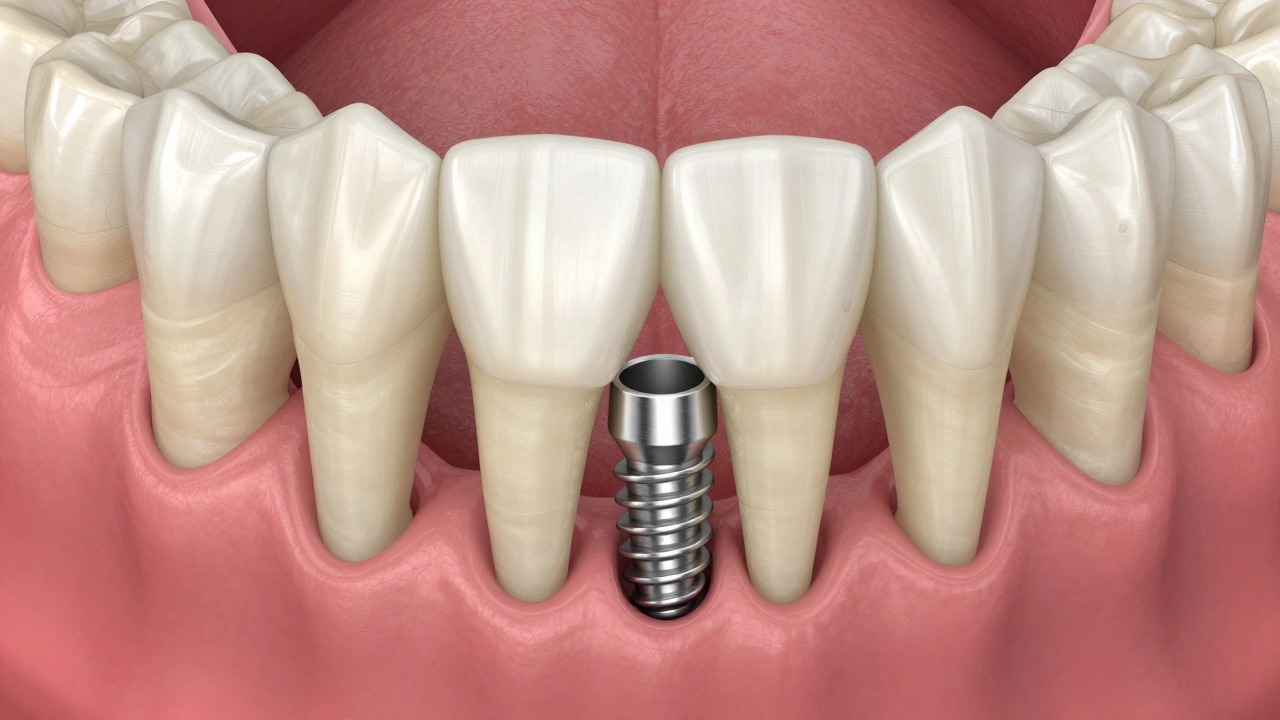
There is a big difference between "healing pain" and "danger pain." Healing pain is a dull ache that gets better every day. Danger pain is sharp, throbbing, or suddenly gets worse after a week of feeling fine.Keep an eye out for these red flags: fever, a foul taste in your mouth, or pus around the implant site. These are signs of an infection. Another warning sign is a "loose" feeling implant. If the post feels like it's wiggling, call your dentist immediately. While rare, Peri-implantitis-an inflammatory process affecting the soft and hard tissues around the implant-can cause significant pain and lead to implant loss if not treated with professional cleaning or antibiotics.
The Long-Term Payoff
Is a week of soreness worth it? Consider the alternative. A missing tooth causes the jawbone to shrink over time (bone resorption), which can change your face shape and make your other teeth shift. Dentures can slip, and bridges require grinding down healthy neighboring teeth.Once the Osseointegration process-where the bone literally grows into and fuses with the titanium post-is complete, the pain vanishes entirely. You end up with a tooth that feels, looks, and functions exactly like the one you lost. The temporary discomfort of the surgery is a small price to pay for a lifetime of stability and the ability to eat a steak without worrying about your teeth.
How long does the pain last after a dental implant?
For most people, the most intense soreness lasts about 3 to 5 days. By the end of the first week, most patients report that the discomfort has faded to a mild tenderness that doesn't interfere with daily activities, provided they follow the prescribed pain management routine.
Can I go back to work the next day?
Yes, most people return to work within 24 to 48 hours. If your job involves heavy lifting or intense physical exertion, you might want to take two days off, as increased heart rate and blood pressure can lead to more swelling or bleeding at the surgical site.
What is the most painful part of the process?
The most "uncomfortable" part is usually the second or third day post-surgery when swelling peaks. Since the surgery itself is numbed, the recovery phase is where you actually feel the physical toll of the procedure.
What if I have a very low pain tolerance?
Talk to your dentist about sedation options. Using IV sedation or conscious sedation ensures you are completely relaxed and often minimizes the perception of pain during the initial healing phase. Additionally, a strict schedule of anti-inflammatory medication can keep pain levels very low.
Does the crown placement cause pain?
The second stage-attaching the crown-is almost entirely painless. There might be some very slight gum irritation as the dentist fits the crown, but it is nothing compared to the initial implant placement surgery.