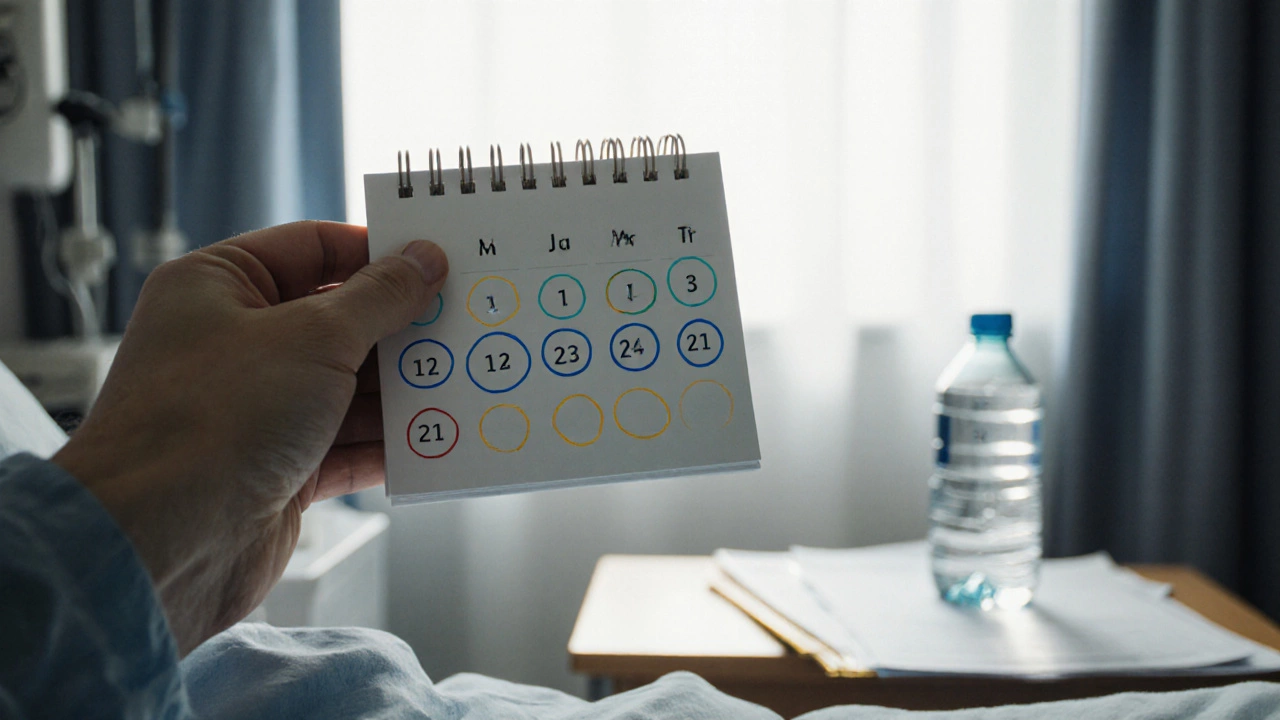
Chemotherapy Side Effects: What to Expect and How to Manage Them
When you or someone you love starts chemotherapy, a type of cancer treatment that uses drugs to kill fast-growing cells. Also known as chemo, it’s one of the most common ways to fight cancer—but it doesn’t just target cancer cells. It affects healthy ones too, which is why chemotherapy side effects happen. These aren’t the same for everyone. Some people feel fine with minimal issues, while others deal with more intense reactions. That’s normal. What matters is knowing what’s typical, when to worry, and how to make things easier.
One of the most common problems is nausea, a feeling of sickness in the stomach that often comes after chemo. It’s not just a quick upset—it can last for days. But it’s not something you have to just live with. Modern anti-nausea meds work well for most people, and small, frequent meals help more than big ones. Then there’s fatigue, extreme tiredness that doesn’t go away with rest. This isn’t normal tiredness. It’s the kind that makes getting out of bed feel like climbing a mountain. Many people feel this way for weeks or months. The key? Rest when you can, move a little when you can, and don’t feel guilty about it. Hair loss is another big one—visible, emotional, and sudden. It’s not dangerous, but it changes how you see yourself. Wigs, scarves, or going bald on your own terms—all are valid choices. And don’t forget about low blood counts, a hidden risk that can lead to infections, bruising, or feeling out of breath. Regular blood tests catch this early, and doctors can give you shots or transfusions if needed.
There’s also mouth sores, dry skin, trouble concentrating (sometimes called "chemo brain"), and changes in appetite. Some side effects show up right away. Others creep in weeks later. And some stick around for months after treatment ends. The good news? Most of these are temporary. You’re not alone in this. Thousands of people in India go through the same thing every year. What works for one person might not work for another, but there are proven ways to ease each symptom—whether it’s ginger tea for nausea, gentle walks for fatigue, or special mouth rinses for sores.
Below, you’ll find real advice from people who’ve been there—tips on managing daily life during chemo, what to ask your doctor, and how to tell the difference between normal side effects and something that needs urgent care. No fluff. Just what helps.