- Home
- Weight Loss
- Does Lemon Water Break a Fast? The Truth About Intermittent Fasting and Citrus
Does Lemon Water Break a Fast? The Truth About Intermittent Fasting and Citrus
Fasting Beverage Compatibility Checker
Step 1: What is your primary goal?
Step 2: Select a beverage
Why?
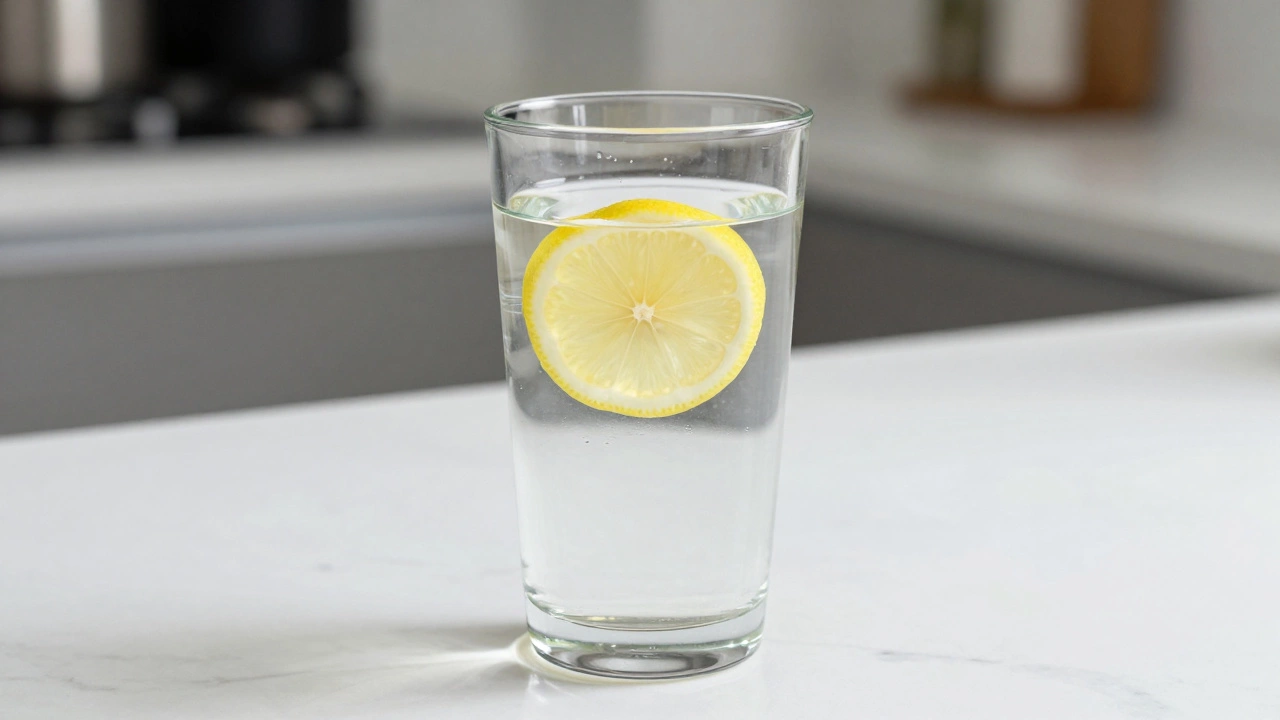
You’ve spent hours resisting food. Your stomach is empty. You’re in the middle of your fasting window, aiming for that metabolic switch where your body starts burning stored fat instead of glucose. Then, you see a glass of water with a slice of lemon. It looks refreshing. It smells clean. But does drinking it ruin all your hard work? Does lemon water break a fast?
The short answer is: it depends on what you are trying to achieve. If your goal is strict autophagy (cellular cleanup), even lemon water might be too much. If your goal is weight loss or blood sugar control, lemon water is likely fine. To understand why, we need to look at how your body processes calories, insulin, and digestion.
What Actually Breaks a Fast?
To know if lemon water counts, we first have to define what "breaking a fast" means. In the world of Intermittent Fasting is an eating pattern that cycles between periods of fasting and eating., there isn't just one definition. There are two main camps: the metabolic camp and the cellular camp.
Metabolic Fasting: This focuses on keeping insulin levels low. When insulin stays low, your body can access fat stores for energy. Most experts agree that consuming fewer than 50 calories will not spike insulin significantly enough to stop fat burning. If this is your goal, you have more wiggle room.
Strict/Autophagic Fasting: This aims for Autophagy is a process where cells remove damaged components and recycle them for energy. Autophagy is often called the "gold standard" benefit of fasting. However, this process is triggered by complete starvation signals. Even small amounts of protein or certain amino acids can trigger mTOR (a pathway that stops autophagy). If you want maximum cellular repair, plain water is the only safe bet.
So, when you ask if lemon water breaks a fast, you are really asking: "Will this stop my fat burning?" or "Will this stop my cellular repair?" These are two different questions with two different answers.
The Calorie and Insulin Impact of Lemon Water
Let’s look at the numbers. A typical slice of lemon contains very few calories. According to USDA data, one tablespoon of lemon juice has about 3 calories. A thin slice squeezed into a glass of water might add less than 5 calories to your drink.
In the context of a daily diet of 2,000 calories, 5 calories is negligible. But in the context of a zero-calorie fast, it is technically non-zero. Here is the catch: your body doesn’t react to calories alone; it reacts to macronutrients.
- Carbohydrates: Lemons contain carbs, but very little sugar. One lemon has about 1-2 grams of net carbs. This is unlikely to cause an insulin spike in most people.
- Protein: Lemons have trace amounts of protein, but not enough to trigger significant digestive enzymes.
- Fat: Zero fat.
Because the carbohydrate load is so low, lemon water generally does not raise blood sugar or insulin levels significantly in healthy individuals. For someone doing Time-Restricted Eating is a form of intermittent fasting that limits daily eating to a specific window. for weight loss, this tiny caloric intake won’t derail progress. Your body remains in a state of ketosis (fat burning) because the fuel source hasn’t changed drastically.
Why People Add Lemon to Their Fasting Water
If it’s risky for strict fasters, why do so many people swear by it? There are practical benefits that go beyond just hydration.
Electrolyte Balance: When you fast, you flush out water and electrolytes. Lemons contain potassium, which helps maintain fluid balance. While not as potent as a dedicated electrolyte supplement, it adds a small boost without adding sugar.
Digestive Prep: Some people find that acidic drinks stimulate gastric juices. Drinking warm lemon water before breaking your fast can prepare your stomach for digestion, potentially reducing bloating when you finally eat your meal.
Palatability: Let’s be honest. Plain water can get boring after 16 hours. If adding a squeeze of lemon helps you stick to your fasting schedule, the psychological benefit outweighs the microscopic caloric cost. Consistency is the hardest part of fasting, and flavor helps.
Risks: Who Should Avoid Lemon Water During a Fast?
While lemon water is safe for most, it is not universal. There are specific scenarios where it might cause problems or genuinely break your fast in a way that hurts your goals.
| Scenario | Reason | Recommendation |
|---|---|---|
| Gastric Ulcers / GERD | Citric acid increases stomach acidity, which can irritate existing ulcers or worsen acid reflux symptoms on an empty stomach. | Avoid. Stick to plain water or alkaline water. | Strict Autophagy Goals | Any nutrient intake, no matter how small, sends a signal to the body that food is present, potentially halting deep cellular cleanup. | Avoid. Use only water, black coffee, or plain tea. |
| Enamel Erosion Concerns | Frequent exposure to acid can weaken tooth enamel over time, especially if sipped slowly throughout the day. | Drink quickly, use a straw, and rinse with plain water afterward. |
| Blood Sugar Sensitivity | While rare, some individuals with severe insulin resistance may react to even minimal carbs. | Monitor blood glucose. If it spikes, stop using lemon. |
If you have sensitive teeth, the citric acid in lemons can erode enamel. This is a long-term risk. If you decide to drink lemon water while fasting, don’t sip it over four hours. Drink it within a minute or two, then switch to plain water. Rinsing your mouth with plain water afterward neutralizes the acid.
Lemon Water vs. Other Fasting Beverages
You aren’t limited to just water and lemon. Many people experiment with other additions. How do they compare?
- Black Coffee: Contains caffeine, which suppresses appetite and boosts metabolism. It has near-zero calories. Safe for metabolic fasting. May slightly inhibit autophagy due to compounds in coffee, but generally considered acceptable.
- Green Tea: Contains antioxidants and L-theanine. Very low calorie. Safe for both metabolic and most autophagy goals. May even enhance fat oxidation.
- Apple Cider Vinegar (ACV): Often touted for blood sugar control. Like lemon, it has negligible calories. However, ACV is highly acidic and can damage throat tissue if not diluted properly. It may also trigger hunger pangs in some people.
- Collagen Peptides: Contains protein. Protein triggers insulin and mTOR. This definitely breaks a fast if you are looking for autophagy or strict ketosis. It is fine if you are only tracking total daily calories.
Compared to these options, lemon water sits in the middle. It’s safer than collagen for fasting but less "clean" than plain water or green tea for autophagy seekers.
Practical Tips for Drinking Lemon Water While Fasting
If you decide to include lemon water in your routine, here is how to do it right to minimize risks and maximize benefits.
- Use Warm Water: Cold water can shock an empty stomach. Warm water aids digestion and feels more soothing. Squeeze fresh lemon into warm (not boiling) water.
- Limit the Quantity: Don’t dump half a lemon into your glass. Use one thin slice or 1 teaspoon of juice. This keeps calories under 5 and acidity manageable.
- Don’t Sip All Day: Treat it like a shot. Drink it, feel refreshed, and then switch to plain water for the rest of the fasting window. Constant sipping exposes your teeth to acid and keeps your digestive system slightly active.
- Add Salt (Optional): For a longer fast (24+ hours), consider adding a pinch of sea salt to your lemon water. This replenishes sodium lost through urine, helping prevent headaches and fatigue.
- Listen to Your Body: If you feel hungry after drinking it, your brain may be associating the taste with food. If this happens, switch back to plain water. Hunger cues are powerful, and you don’t want to trigger unnecessary cravings.
The Verdict: Does It Break Your Fast?
For 95% of people doing intermittent fasting for weight loss, gut health, or simplicity, **lemon water does not break a fast**. The caloric impact is too small to matter, and the insulin response is negligible. It can actually help you stay hydrated and adhere to your schedule.
However, if you are a biohacker seeking maximum autophagy, or if you have severe acid reflux, skip the lemon. Stick to water, black coffee, or plain tea. The goal of fasting is to give your digestive system a rest. If lemon water makes you feel better and helps you reach your goals, it’s a tool worth using. If it causes discomfort or anxiety about "cheating," leave it out. Flexibility is key to sustainability.
Can I drink lemon water during a 16-hour fast?
Yes. For a 16-hour fast focused on weight loss or metabolic health, lemon water is generally safe. The calorie count is less than 5 calories per serving, which is unlikely to spike insulin or stop fat burning. Just ensure you don't add sugar or honey.
Does lemon water stop autophagy?
It might. Autophagy is a sensitive cellular process triggered by nutrient deprivation. While the effect of a single lemon slice is debated, purists recommend avoiding anything other than water, black coffee, or plain tea to ensure maximal autophagy. If cellular repair is your primary goal, skip the lemon.
Is cold lemon water better than warm for fasting?
Warm lemon water is often preferred during fasting because it is gentler on an empty stomach and may aid digestion. Cold water can sometimes cause stomach cramps or shock the system. However, temperature does not affect whether the fast is broken; calories and macronutrients do.
Can I add honey to my lemon water while fasting?
No. Honey is pure sugar. Adding honey to your lemon water will significantly raise your blood sugar and insulin levels, effectively breaking your fast. This will halt fat burning and stop any autophagy processes. Stick to plain lemon and water.
Does lemon water help with weight loss?
Lemon water itself does not burn fat directly. However, it can support weight loss by promoting hydration, which helps control appetite. Sometimes thirst is mistaken for hunger. Drinking lemon water may keep you full longer and prevent snacking, indirectly aiding your weight loss efforts.
Arnav Singh
I am a health expert with a focus on medicine-related topics in India. My work involves researching and writing articles that aim to inform and educate readers about health and wellness practices. I enjoy exploring the intersections of traditional and modern medicine and how they impact healthcare in the Indian context. Writing for various health magazines and platforms allows me to share my insights with a wider audience.
About
Medical Resource Center India is a comprehensive online platform dedicated to providing reliable health information and medical resources in India. Explore a wide range of articles, tips, and advice on medicine, healthcare services, and wellness. Stay informed about the latest developments in Indian medicine and access valuable insights into maintaining a healthy lifestyle. Discover expert guidance and health solutions tailored for every Indian citizen. Your go-to destination for authoritative medical knowledge in India.